
Happy midweek everyone! Wow. We are already halfway through the week. How time flies. How has the year been going for you so far? I hope that the year has been kind to everyone. If not, I hope you will experience a reversal of fortune in the coming months. More importantly, I hope everyone is happy and healthy, in body, mind, and spirit.
With the midweek comes a fresh WWW Wednesday update, my first this year. WWW Wednesday is a bookish meme hosted originally by SAM@TAKING ON A WORLD OF WORDS. The mechanics for WWW Wednesday are quite simple, you just have to answer three questions:
- What are you currently reading?
- What have you finished reading?
- What will you read next?

What are you currently reading?
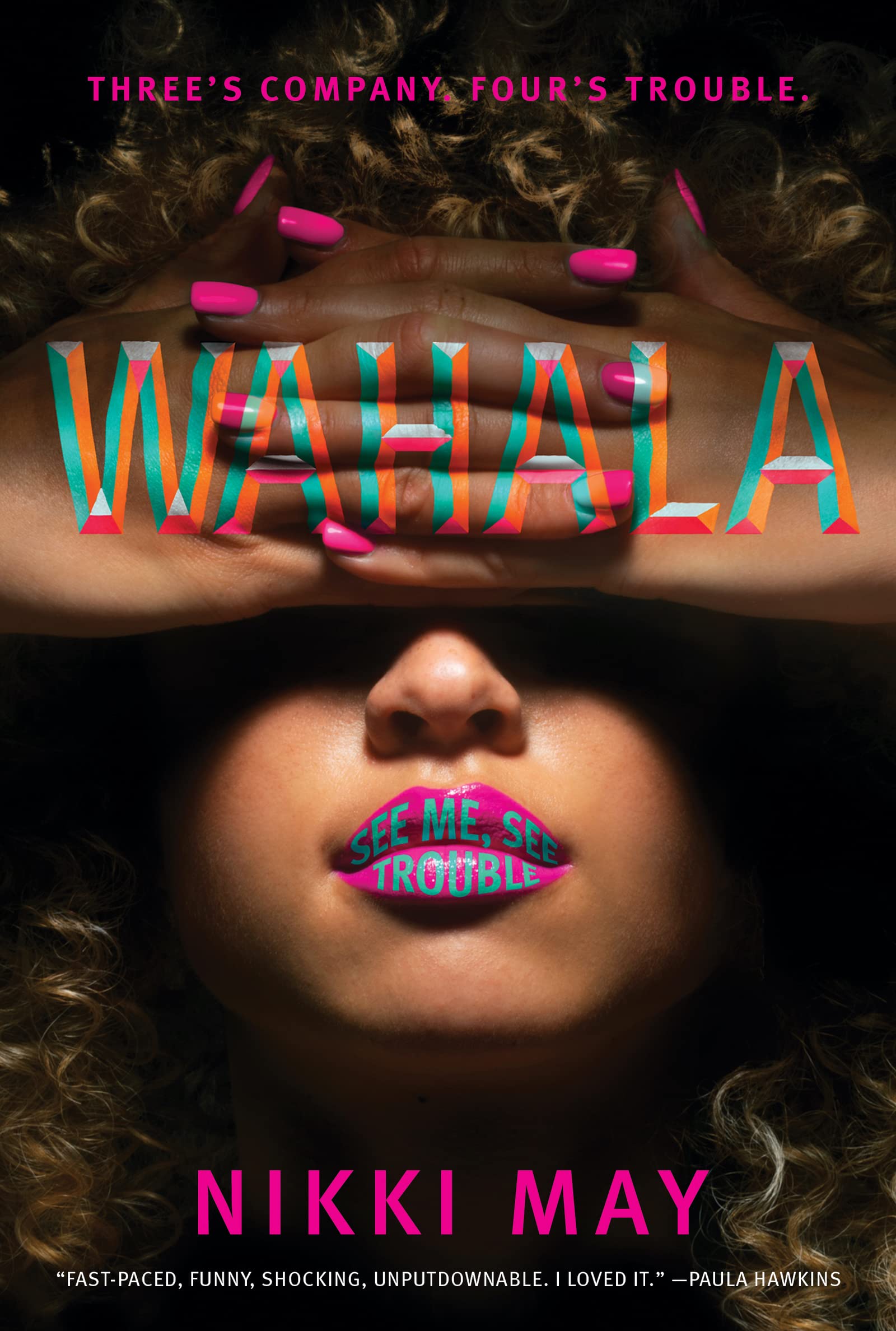
As the month slowly draws to a close, I am My foray into African literature continues with Nigerian writer Nikki May’s debut novel, Wahala. I first came across the novel when I was preparing my 2022 Top 10 Books I Look Forward to List. The book came in highly recommended but unfortunately, I was unable to find a copy of the book until mid-2023. I then decided to make it part of my African Literature Month.
At the heart of the novel were three Anglo-Nigerian: Bukola (Boo), Simi, and Simi. They first met when they studied at Bristol 17 years ago from the novel’s present. Each has followed their own path. Boo has become a housewife after the birth of her daughter; however, she yearns to continue her career as a research scientist. Simi dropped out of university and instead became a fashion designer. Ronke, born to a poor family, worked her way to become a successful dentist. In their midst entered Isobel, a rich Russian-Nigerian woman who was Simi’s childhood friend. With four women at the forefront of the novel, one can expect fireworks but more than that, I want to read about May’s insights into the subjects that the novel highlighted, among them internalized racism, family dynamics, and the role men play in their lives.
What have you finished reading?

After bucking a slow start, I have since gained badly needed reading momentum. For the second week in a row, I was able to complete three books. The first of these three books was Nobel Laureate in Literature Wole Soyinka’s latest novel, Chronicles From the Land of the Happiest People on Earth. This is my first novel by the Nigerian writer; I previously read his memoir, Aké: The Years of Childhood back in 2021. Later in 2021, I learned about the release of Chronicles, his first novel in more or less five decades. This made me look forward to the book.
Chronicles from the Land of the Happiest People on Earth is set in a fictional Nigeria where readers meet four main characters meant to represent polar opposites that comprise contemporary Nigerian society. On one side are the idealistic characters Duyole Pitan-Payne, an engineer and bon vivant who was recently chosen as a representative to the United Nations; and Kighare Menka, a surgeon who dreamt of building a hospital in his small, underprivileged hometown. On the other side were Papa Davina and Godfrey Danfere who represented corrupt government officials and cult leaders who have proliferated contemporary Nigerian society. It doesn’t take long before one realizes that the “Happiest People” was a jab at the maladies that continue to hound modern Nigeria. The novel was a political satire that tended to meander in different sections. It was a scathing examination of modern Nigeria but it was more of a commentary rather than a literary work.

Capping my run of seven works of Nobel Laureates in Literature is J.M. Coetzee’s Elizabeth Costello. The South African writer first piqued my interest in 2017 or 2018 when I kept coming across his novel, Disgrace. The Booker Prize-winning novel came in highly recommended. I was a little underwhelmed by the book which also contributed to the reason why I held back on reading any other work by Coetzee. I changed my mind last year when I bought some of his works; it was high time to give his oeuvre a second chance.
That second chance came in the form of Elizabeth Costello, a book that is also part of my 2023 Beat the Backlist Challenge. The book is also listed as one of the 1,001 Books You Must Read Before You Die. The heart of the novel was the titular Elizabeth Costello who was an aging but celebrated Australian writer. Born in 1928, her story came in the form of speeches and lectures; in her old age, she was traveling the world to give these lectures. She has dedicated her life to writing, even to the detriment of her relationship with her two children. The novel’s unconventional structure made up for a fragmented read. The subjects of Cotello’s speeches and lectures also varied. In one chapter, she tackled vegetarianism while across several chapters, the nature of writing and storytelling were discussed extensively. Censorship was another seminal subject. Although it was a little all over the place, I found myself invested in the discourses. It was relatively short but it was still an insightful novel of ideas.
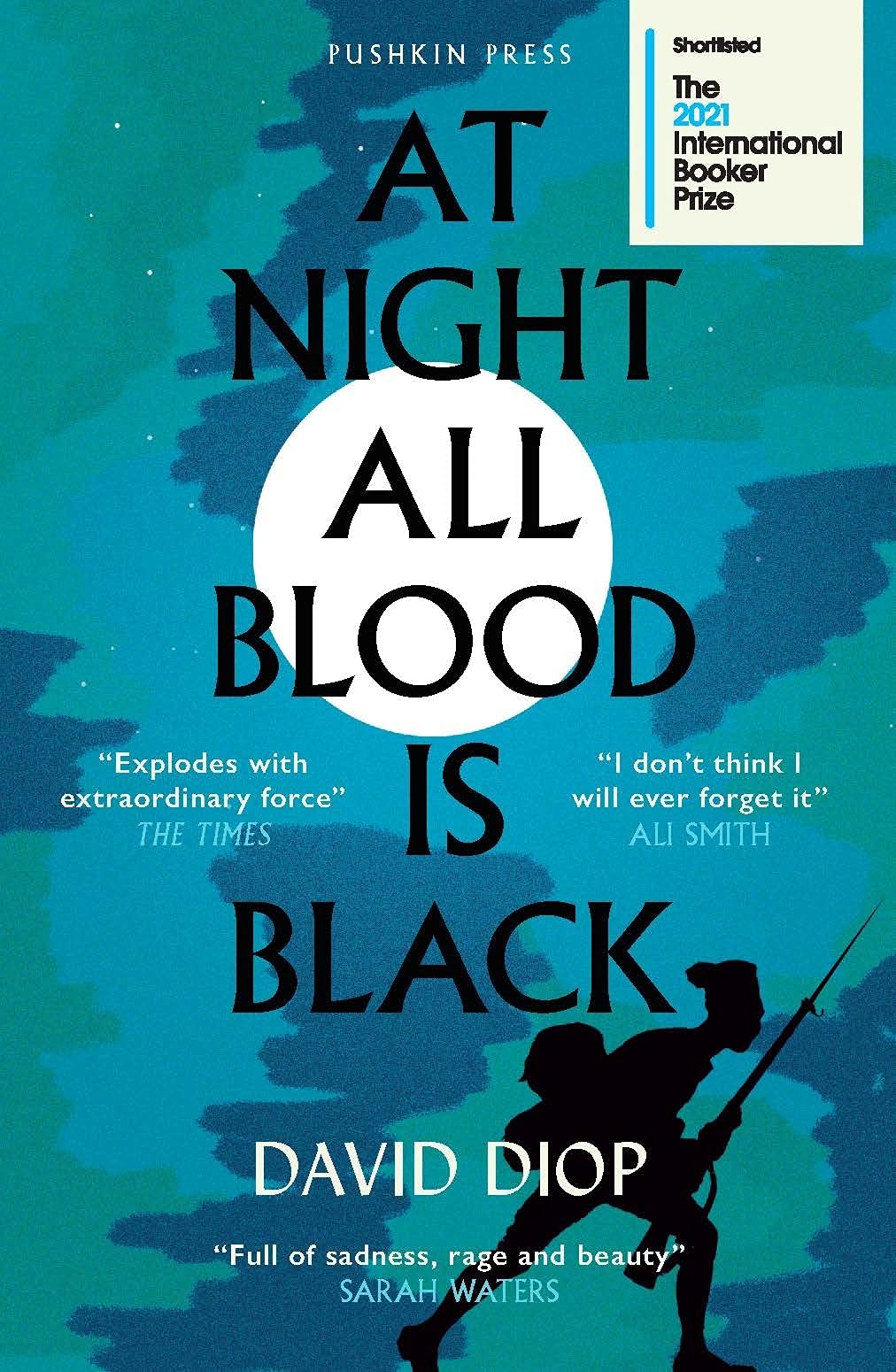
My run of three books concluded with David Diop’s At Night All Blood Is Black. Although Diop’s nationality is French, he was born to a Senegalese father. This makes his novel the first by a Senegalese writer that I read. I first came across At Night All Blood Is Black when it was awarded the 2021 International Booker Prize; the Prize has become a mine for some interesting reads. At Night All Blood Is Black was originally published in French as Frère d’âme in 2018 before its English translation was released in late 2020. The original version won the Prix Goncourt des Lycéens.
If there is one thing about At Night All Blood Is Black is that it is rather short; it can be finished in one sitting. Ideally. However, the novel is rather graphic. There were vivid depictions of violence and bloodlust. Understandably so. Born and raised in the Senegalese countryside, Alfa Ndiaye, the novel’s main character and primary narrator, was conscripted by the French for the First World War. In the trenches, we meet him, alongside his adopted brother Mademba Diop. Men like Alfa and Mademba who were uprooted from their villages and sent to the war frontline were collectively called Senegalese Tirailleurs. The novel is a very intimate glimpse into the life of Alfa. Diop takes the readers into his mind in order for us to understand his actions in the trenches. It was both humane and inhumane. Overall, At Night All Blood Is Black was a very intense but insightful read about the pervasive impact of wars on those who were sent to the frontline.
What will you read next?

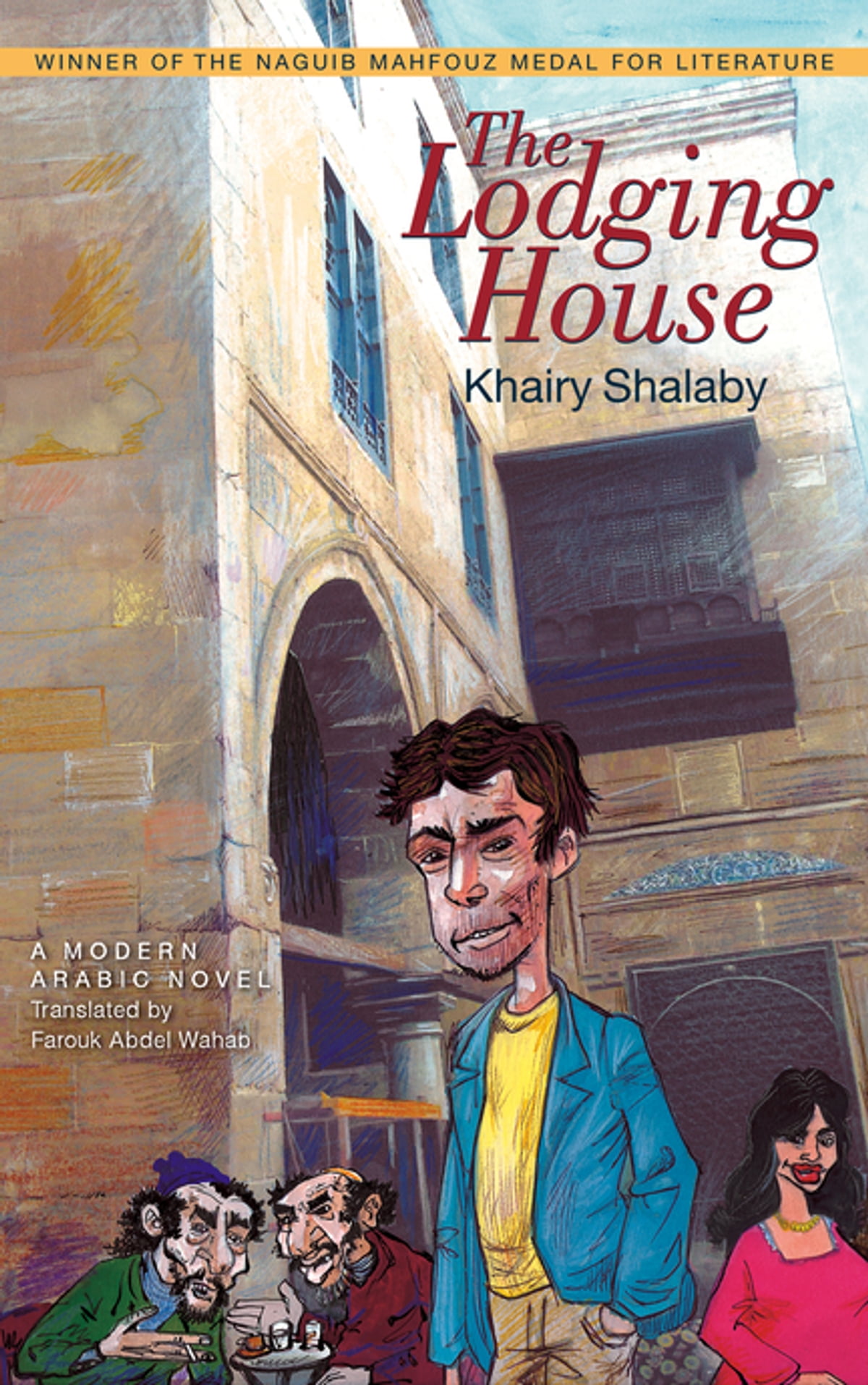

 The Pine-Scented Chronicles
🩵
LikeLike