
Happy midweek everyone! Wow. We are already halfway through the week. How time flies. How has the year been going for you so far? I hope that the year has been kind to everyone. If not, I hope you will experience a reversal of fortune in the coming months. More importantly, I hope everyone is happy and healthy, in body, mind, and spirit.
With the midweek comes a fresh WWW Wednesday update, my first this year. WWW Wednesday is a bookish meme hosted originally by SAM@TAKING ON A WORLD OF WORDS. The mechanics for WWW Wednesday are quite simple, you just have to answer three questions:
- What are you currently reading?
- What have you finished reading?
- What will you read next?

What are you currently reading?

Today is the last day of August. Woah. The month has been brimming with literary adventure as I traveled across the African continent. There are still a lot of books written by an African writer that I have in mind but time runs far too short. I just might extend this adventure for a few days into September. Currently, I am in Nigeria with Ayọ̀bámi Adébáyọ̀’s sophomore novel, A Spell of Good Things. The Nigerian writer first captured my interest back in early 2020 when her debut novel, Stay With Me (2017) blew me away. It made me want to explore more of her works. I had to wait for a couple more years, however.
I think it was also just this year that I learned about Adébáyọ̀’s latest novel, A Spell of Good Things. I was pretty excited that the moment I encountered a copy of the book, I did not hesitate to buy it. Shortly after, the book was announced as part of the Booker Prize longlist. This piqued my interest in the book further. The novel introduced Ẹniọlá, a boy who looked more mature than boys his age. The opening pages of the story laid out the landscape of his family. This was how far I have gotten into the narrative although I can already feel elements of contemporary Nigerian history reverberating. If my experience with Stay With Me is any indicator, the political and historical elements will be astutely woven into the tapestry of the novel. I will share more of my impressions of the book in this week’s First Impression Friday update.
What have you finished reading?
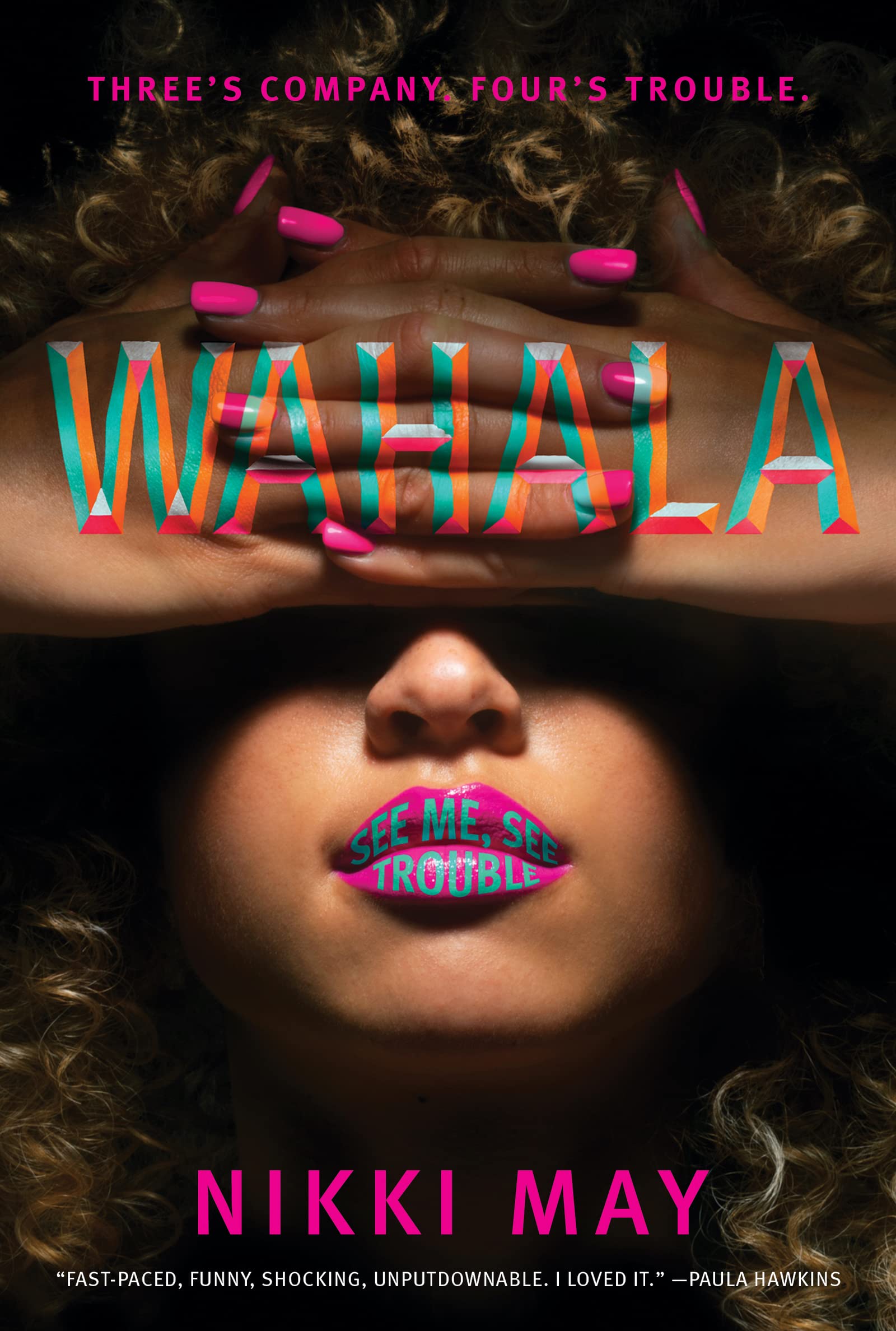
While trying to complete as many books as I could before the It was in early 2022 that I first encountered Nigerian writer Nikki May. I was searching for books to include in my 2022 Top 10 Books I Look Forward To when I stumbled upon Wahala. The book was part of several most anticipated lists, thus, it was a no-brainer for me to add it to my own list. Besides, the title was more than enough to pique my interest. I can recall Chibundu Onuzo’s Sankofa having a similar effect on me. Unfortunately, it was only this year that I was able to obtain a copy of the book; again, I failed at completing my 2022 Top 10 Books I Look Forward To List.
At the heart of May’s debut novel were three friends: Simi, Boo (Bukola, which she hated), and Ronke. They first met seventeen years ago at a university in Bristol they attended. They bonded over their shared mixed heritage; their mothers were white British while their fathers were Nigerians. For years, they stood by each other, through thick and thin. But just when they thought their bond was strong came Isobel Babangari. Isobel was larger than life. Like the three friends, she had a mixed heritage, with her Nigerian father rich and influential. Simi’s childhood friend, Isobel was sly and manipulative, testing the friendship of the three women. What rises to the fore is an intimate character study and an examination of the intricacies of female relationships. It was a riveting read but it missed some critical points, i.e., exploration of internalized racism.
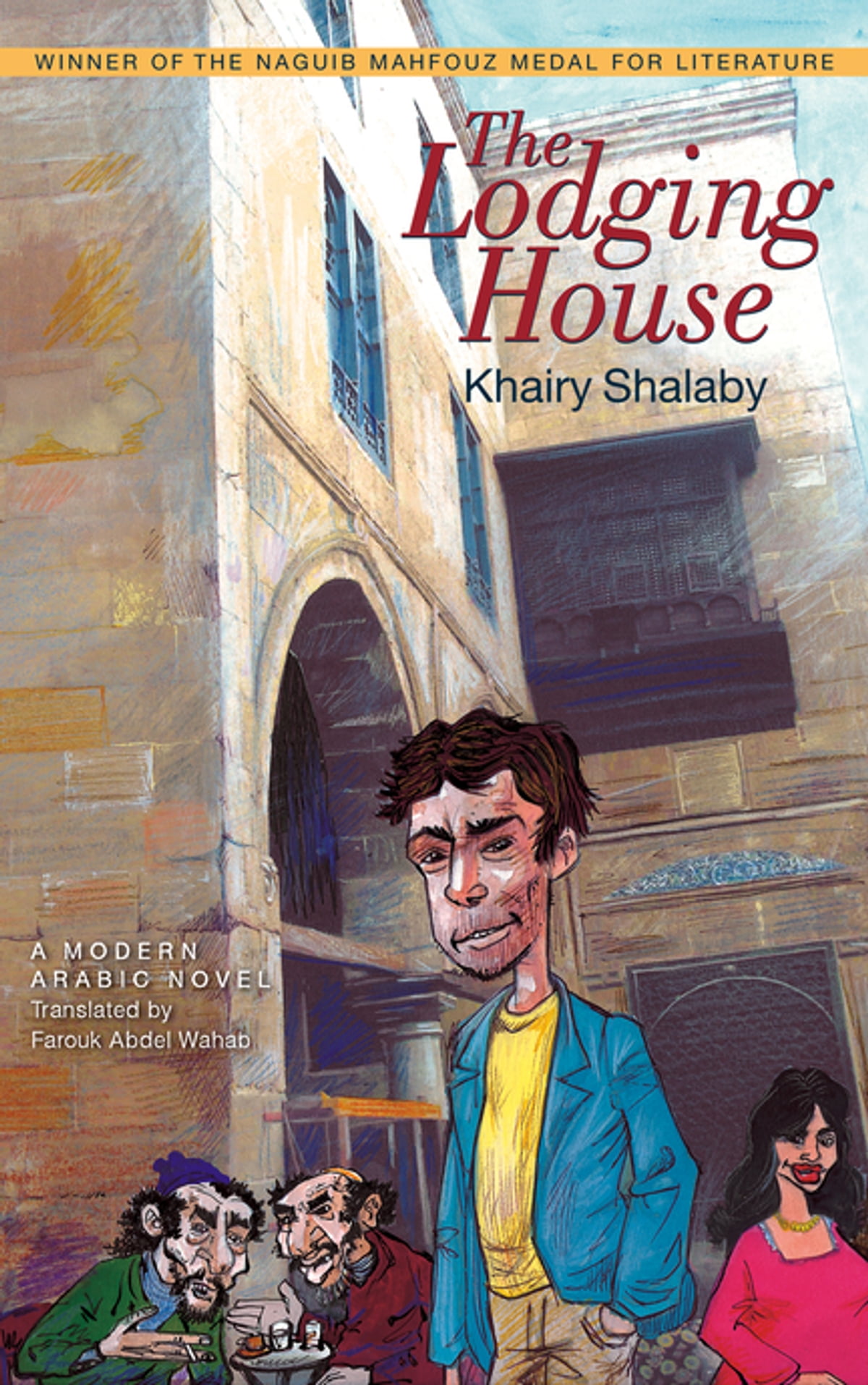
After Wahala, I read Khairy Shalaby’s The Lodging House. Prior to 2022, I had never heard of Shalaby nor had I read any of his works before. Thanks to an online bookseller, I was introduced to the Egyptian writer. Even though I had no iota about who Shabaly was nor what The Lodging House was about, I didn’t hesitate to buy it. Again, my curiosity got me. The book piqued my interest. Besides, my foray into Arabic literature is quite limited. I just learned that Shalaby is quite a prolific writer, with over seventy books credited to him.
Set in the city of Damanhour, The Lodging House was narrated by an anonymous young man who was recently expelled from the Institute he was attending. A random burst of violence on his Math teacher who essentially bullied him didn’t bid him well. He also fell from grace with his parents and his village; this left him with no money and prospects. Homeless and penniless, he became a vagrant living and sleeping on the streets of Damanhour. Despite his situation, he was befriended by Mahrous who carried him on his bicycle to Wikalat Atiya, the compound at the heart of the novel. Through the narrator’s gaze, the readers were regaled with details of quotidian Egyptian life; the compound, teeming with life and activity, was a microcosm of Egypt. Shalaby breathed life into the compound. There were also details of politics and the changing landscape of Egypt, riddled with humorous insights and adventures (and misadventures) by the narrator. Overall, it was an insightful look at Egyptian life.
What will you read next?

 The Pine-Scented Chronicles