
Happy Tuesday everyone! As it is Tuesday, it is time for a Top Ten Tuesday update. Top Ten Tuesday is an original blog meme created by The Broke and the Bookish and is currently hosted by That Artsy Reader Girl.
This week’s given topic: Atmospheric Books


The Shadow of the Wind by Carlos Ruiz Zafón
Snippet from my review: One of the greater accomplishments of the novel is Ruiz Zafón’s writing. Under the shadows of the eerie atmosphere, the storytelling was sublime. The narrative was verbose, rich in descriptions and intricate details. Ruiz Zafón’s stylistic writing gave life to the setting and the story. His artistic writing is an ode to literature, a blatant reminder to readers of the reasons why they read. The novel was sprinkled with several great and memorable quotes.
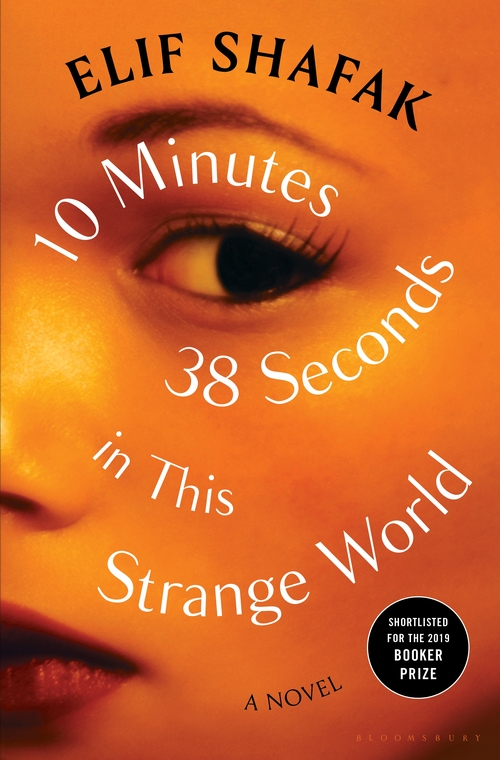
10 Minutes 38 Seconds in This Strange World by Elif Shafak
Snippet from my review: Covering a lot of ground, Shafak explored a plethora of themes and subjects. Equally impressive is the mantle upon which these rich details were drawn. In the background, Shafak painted a stellar picture of Istanbul beyond the famed minarets of Hagia Sophia. She walked her readers to its tawdry corners, to its dimly lit streets, to the corners ordinary visitors would remain largely ignorant of. It is a manic old city. It is a city that belonged to the dead. It is a liquid city. It is a city of contrasts. And all of these elements came alive under Shafak’s brilliant stroke.

Rebecca by Daphne du Maurier
Snippet from my review: Just like Bronte’s Wuthering Heights, one of the facets that characterized this Gothic tale is the intricate description and construction of Manderley, a magnificent old house. Du Maurier’s rich descriptions were precise and vivid. Before the reader’s eyes, she gave life to the entire estate – its long halls, its flashy boudoirs, its cavernous rooms, and its finely manicured lawns. Manderley was painted to be more than just a setting nor was it drawn to be a mere spectator -in its own right, it is a distinct albeit inanimate character that dictated and oversaw the majority of the story’s flow.

Wuthering Heights by Emily Brontë
Snippet from my review: The prevailing theme is the love story of Catherine, Heathcliff, and Edgar Linton. Linton is the son of Thrushcross Grange’s owners and resents Heathcliff’s presence. This love triangle shows Catherine’s superfluous nature. Willful and free-spirited, she is one of the weakest characters in the story although her presence is repeatedly impressed on the reader because of Heathcliff’s devotion. But there is another love story that is taking shape in the present and is molded by the events that happened before.
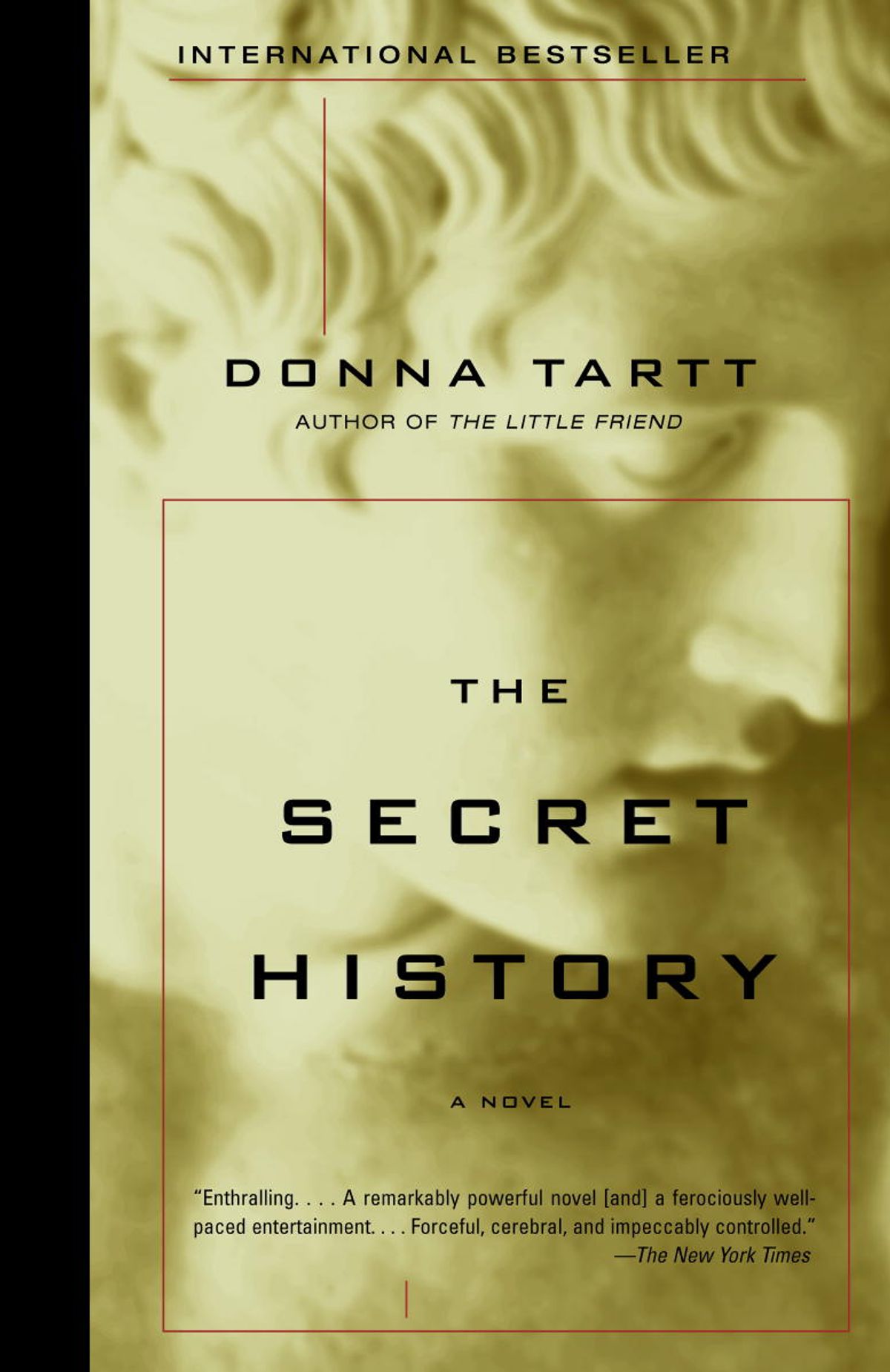
The Secret History by Donna Tartt
Snippet from my review: Because of this revolving theme of darkness, the book appeals to human emotions, although it is veering towards the obverse side as I’ve previously pointed out. As the story progresses, you get to learn each of the character’s darker natures – Richard’s lie about his background, Bunny’s hustler nature, Camilla’s and Charles’ incestuous relationship, Francis’ homosexuality, and Henry’s feeling of being dead inside. But in spite of this dark nature, the author is able to brilliantly intermingle these negative traits to weave a darkly wonderful narrative.
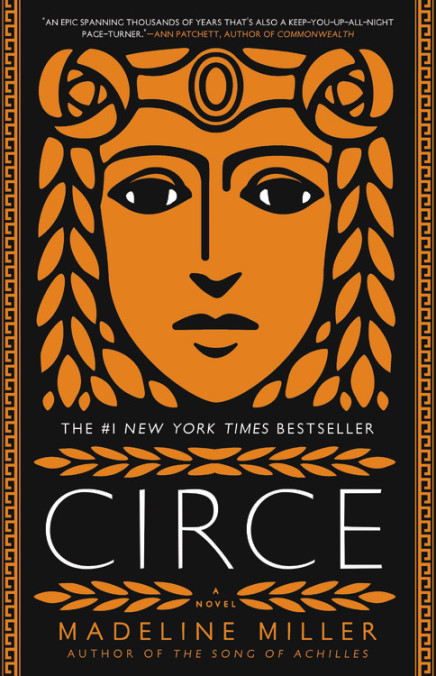
Circe by Madeline Miller
Snippet from my review: At the heart of it, the novel is about changing perspective. Its biggest accomplishment lies in its depiction of a different Circe, a far cry from the vile and rogue witch that she has been endlessly portrayed. Hemmed in the pages of the book is the story of a dutiful child who yearns for the approval of a mother and father, of a young woman who hankers for love, and of a mother who tries her best to protect her biggest treasure. The tender moments of Circe being a mother is one of the novel’s biggest accomplishment. These vivid moments remained in my mind because they reminded me of the unconditional love of mothers for their children.
War and Peace by Leo Tolstoy
Snippet from my review: In over a thousand pages of intricate storytelling and masterful depiction, Tolstoy fascinated readers with his realistic portrayal of the Napoleonic invasion. Reading the novel was like watching a 3-D animated film, wherein the reader can literally breathe in the scenes that Tolstoy painted with his words. Military men and authors who specialize in war literature who read his work were impressed at the vividness and craftiness of the war scenes. Tolstoy’s contemporary writers like Fyodor Dostoyevsky, Ivan Turgenev, and Ivan Goncharov also sang accolades for this colossal masterpiece. But who can blame these storied men for their fascination with War and Peace?
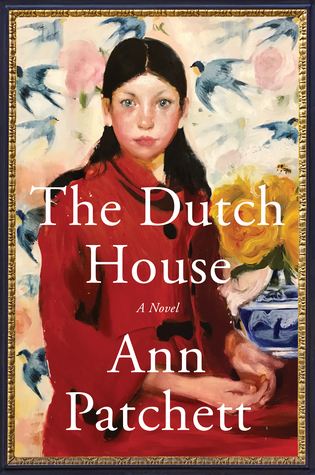
The Dutch House by Ann Patchett
Snippet from my review: One of Patchett’s biggest accomplishments in The Dutch House is the novel’s captivating atmosphere. It was further complimented by her compelling language and captivating writing; which helped propel the narrative forward. Memory and history permeated all throughout. However, the gains she made were undone by the lack of dynamics in the narrative which can be summarized on two seminal points. Whilst Patchett brilliantly and poignantly unspools the complexity of family life, especially in the first half, the novel loses its character midway as it starts to meander.

Gone with the Wind by Margaret Mitchell
Snippet from my review: Mitchell used various elements that she had in hand – a colorful background that is filled with interesting history and stories, and a wealth of experience from living surrounded by this background. The different elements were finely and powerfully translated into a colossal work of fiction. Gone With the Wind is the height of great American literature. It had nearly everything perfect. Its status as one of literature’s greatest works is nothing but a foregone conclusion.

Midnight’s Children by Salman Rushdie
Snippet from my review: As always, Rushdie’s depiction of his home country is admirable. India is a colorful country filled with numerous stories, and Midnight’s Children is just among them. Rushdie knows how to pay tribute to his roots like no other author does. He didn’t mince a word in describing its political system, its history, its social diversity, and its prevailing social issues. But in spite of its growth, superstitious beliefs and tradition are still prominent. Rushdie’s fortitude in bringing all these things to light is truly astounding.
 The Pine-Scented Chronicles
📖
LikeLike
I’ll agree that Wuthering Heights is atmospheric, but I’ll never like it. Rebecca on the other hand… I could read and soak up the atmosphere in that book every day of the week.
LikeLike