Hello, readers! It is Monday again! As it is Monday, welcome to another #5OnMyTBR update. The rule is relatively simple. I must pick five books from my to-be-read piles that fit the week’s theme.
This week’s theme: No Prompt
Because there is still no prompt this week, I decided to feature books written by female writers originally written in a language other than English. This is in line with this month’s Women’s History Month and also my goal to read more translated works than books originally written in English.
5OnMyTBR is a bookish meme hosted by E. @ Local Bee Hunter’s Nook where you chose five books from your to-be-read pile that fit that week’s theme. If you’d like more info, head over to the announcement post!

Title: The Misunderstanding
Author: Irène Némirovsky
Translator (from French): Sandra Smith
Publisher: Chatto & Windus
Publishing Date: 2012 (1926)
No. of Pages: 160
Synopsis:
Yves Harteloup, scarred by the war, is a disappointed young man, old money fallen on hard times, who returns for the summer to the rich, comfortable Atlantic resort of Hendaye, where he spent blissful childhood holidays. He becomes infatuated by a beautiful, bored young woman, Denise, whose rich husband is often away on business. Intoxicated by summer nights and Yves’ intensity, Denise falls passionately in love, before the idyll has to end and Yves must return to his mundane office job.
In the mournful Paris autumn their love founders on mutual misunderstanding, in the apparently unbridgeable gap between a life of idle wealth and the demands of making a living, between a woman’s needs and a man’s way of loving. As Denise is driven mad with desire and jealous suspicion, Yves, too sure of her, tortures himself and her with his emotional ambivalence. Taking her sophisticated mother’s advice, Denise takes action… which she may regret forever.
With a sharp satirical eye and a characteristic perception for the fault lines in human relationships, Irène Némirovsky’s first novel shows sure signs of the brilliant novelist she was to become.
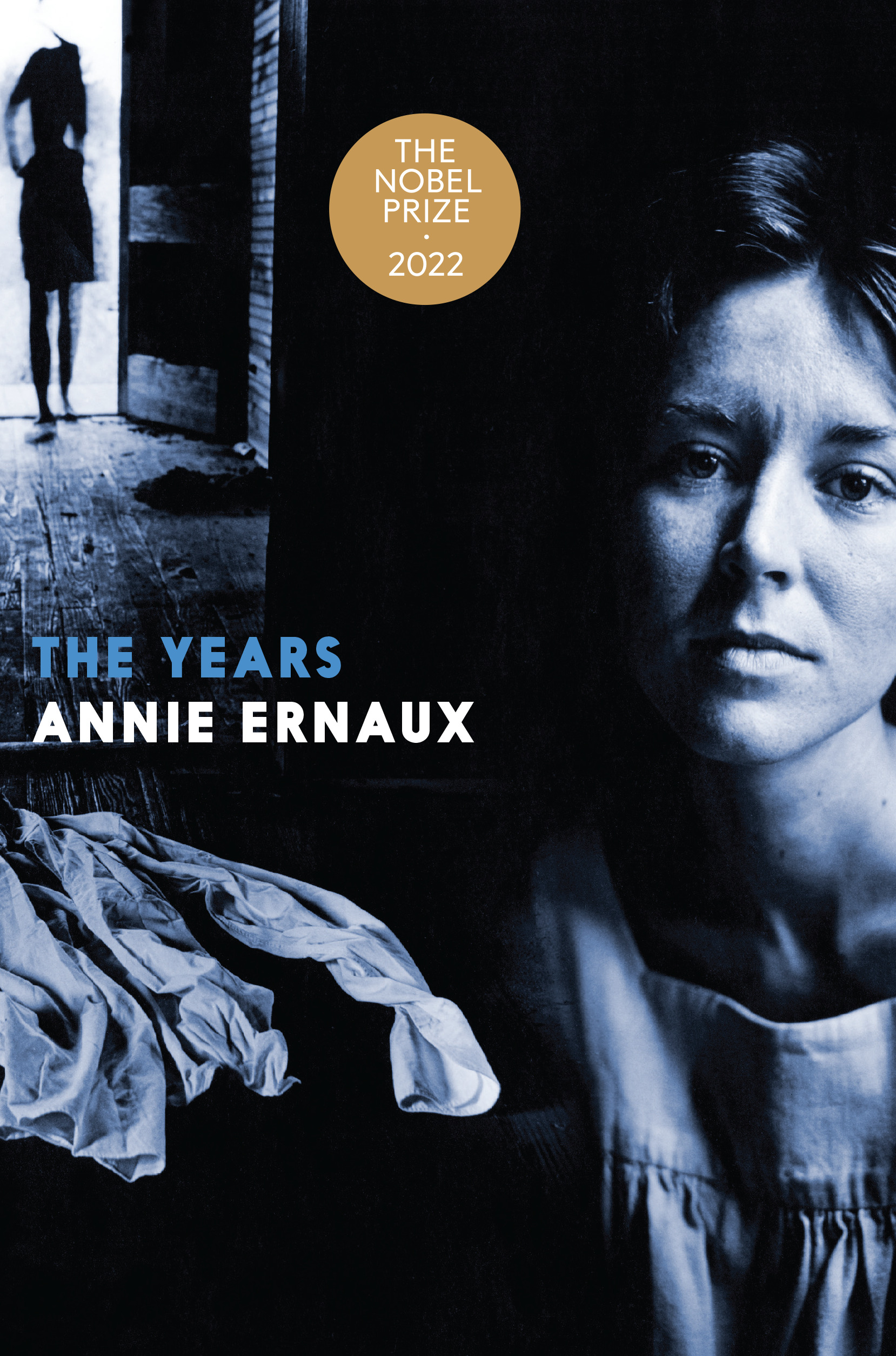
Title: The Years
Author: Annie Ernaux
Translator (from French): Alison L. Strayer
Publisher: Seven Stories Press
Publishing Date: 2017 (2008)
No. of Pages: 231
Synopsis:
The Years was a breakout bestseller when published in France in 2008, and is regarded as a contemporary classic in French studies departments in the US.
The Years is a personal narrative of the period 1941 to 2006 told through the lens of memory, impressions past and present – even projections into the future – photos, books, songs, radio, television and decades of advertising, headlines, contrasted with intimate conflicts and writing notes from six decades of diaries. Local dialect, words of the times, slogans, brands, and names for the ever-proliferating objects are given voice here. The voice we recognize as the author’s continually dissolves and re-emerges. Ernaux makes the passage of time palpable. Time itself, inexorable, narrates its own course, consigning all other narrators to anonymity. A new kind of autobiography emerges, at once subjective and impersonal, private and collective. On its 2008 publication in France, The Years came as a surprise. Though Ernaux had for years been hailed as a beloved, bestselling, and award-winning author, The Years was in many ways a departure: both an intimate memoir “written” by entire generations, and a story of generations telling a very personal story. Like the generation before hers, the narrator eschews the “I” for the “we” (or “they,” or “one”) as if collective life were inextricably intertwined with a private life that in her parents’ generation (and could be writing of her own book): “From a common fund of hunger and fear, everything was told in the ‘we’ and impersonal pronouns.”
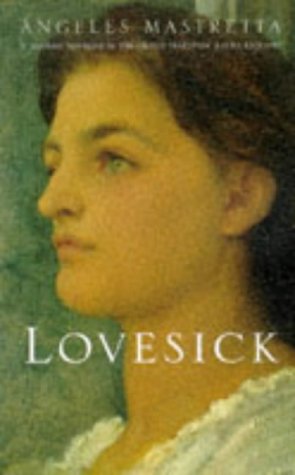
Title: Lovesick
Author: Ángeles Mastretta
Translator (from Spanish): Margaret Sayers Peden
Publisher: Jonathan Cape
Publishing Date: 1998
No. of Pages: 292
Synopsis:
bestseller throughout Latin America, Lovesick is the story of a passion interwoven with the history of a nation, a war, and a family. Emilia Sauri is torn between her love for her childhood playmate, Daniel Cuenca, who runs off to join the Mexican Revolution, and her desire to become a doctor. Her professional calling leads her to Antonio Zavalza, a physician whose only audacity is to desire peace in the midst of a civil war.
With an assured hand and a crystalline touch, reminiscent of the writings of Gabriel Garcia Marquez, and Isabel Allende, Ángeles Mastretta presents the vivid portrait of a woman both fragile and bold, who enters the new century shedding the bonds and the prejudices of previous generations. As Emilia must sort through the affairs of her heart, so too must she confront the fate history presents – a nation wracked by years of war and society awakening to the tumult of the twentieth century, and the place for a woman of many passions.
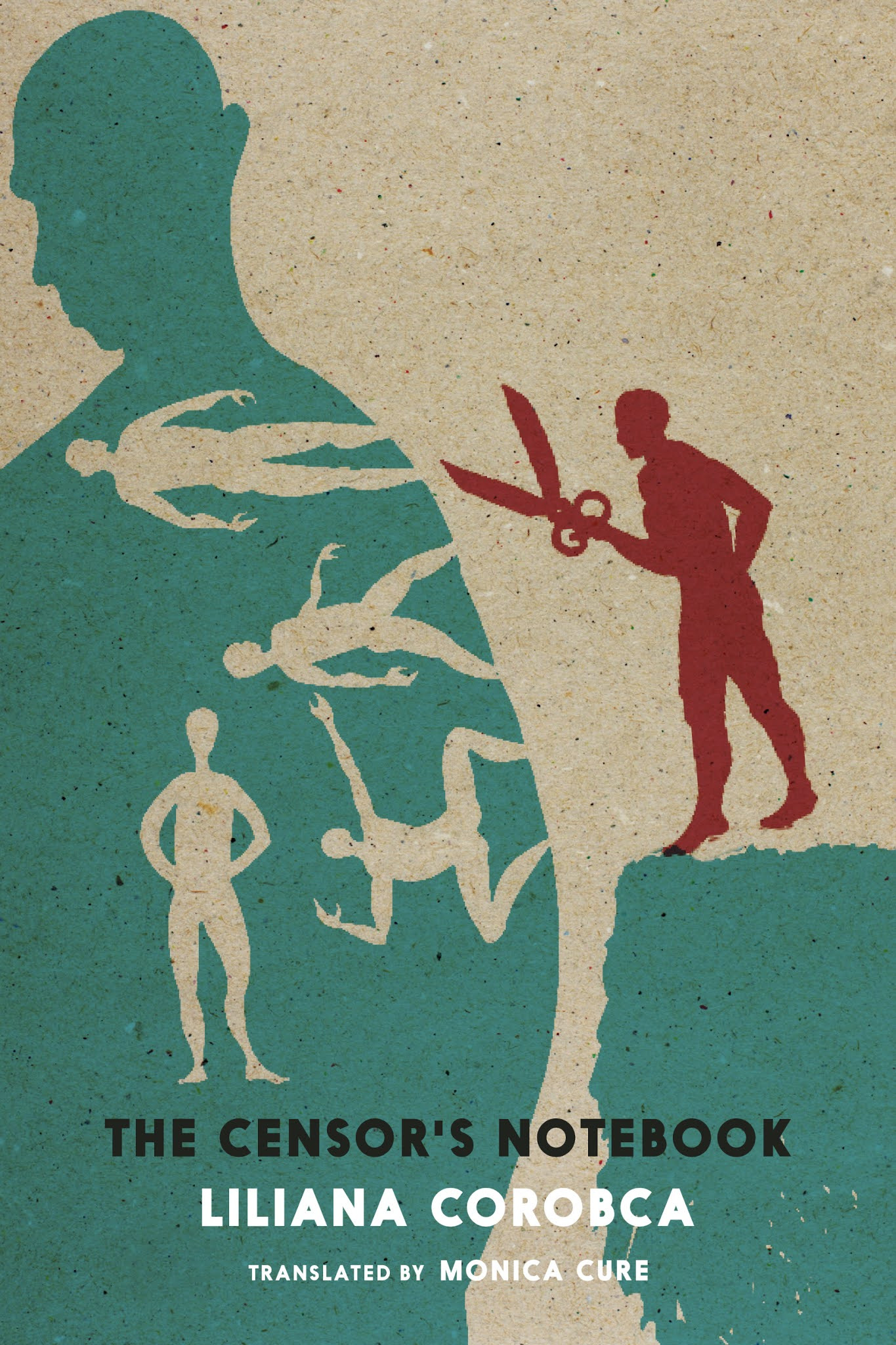
Title: The Censor’s Notebook
Author: Liliana Corobca
Translator (from Romanian): Monica Cure
Publisher: Seven Stories Press
Publishing Date: 2022 (2017)
No. of Pages: 476
Synopsis:
A window into the intimate workings of censorship under communism, this novel begins with a seemingly non-fiction frame story – an exchange of letters between the author and Emilia Codrescu, the former chief of the Secret Documents Office in Romania’s feared State Directorate of Media and Printing, the government branch responsible for censorship. Codrescu was once responsible for the burning and shredding of censors’ notebooks and the state secrets in them, but prior to fleeing the country in 1974 she stole one of these notebooks. Now, forty years later, she makes the notebook available to Liliana for the newly instituted Museum of Communism.
The work of censor – a job about which it is forbidden to talk – is revealed in this notebook, which discloses the structures of this mysterious institution and describes how these professional readers and ideological error hunters are burdened with hundreds of manuscripts, strict deadlines, and threatening penalties. The Censor’s Notebook asks whether literature has the power to keep alive personal and political truths in an age when censorship is pervasive.

Title: Novel Without a Name
Author: Dương Thu Hương
Translators (from Vietnamese): Phan Huy Duong and Nina McPherson
Publisher: Penguin Books
Publishing Date: 1996
No. of Pages: 289
Synopsis:
Twenty-eight-year-old Quan has been fighting for the Communist case in North Vietnam for a decade. Filled with idealism and hope when he first left his village, he now spends his days and nights dodging stray bullets and bombs, foraging for scraps of food to feed himself and his men. Quan seeks comfort in childhood memories as he tries to sort out his conflicting feelings of patriotism and disillusionment. Then, given the chance to return to his home, Quan undertakes a physical and mental journey that brings him face to face with figures from his past – his angry father, his childhood sweetheart, his boyhood friends now maimed or dead – and ultimately to the shattering reality that his innocence has been irretrievably lost in the wake of the war. In a voice both lyrical and stark, Dương Thu Hương, one of Vietnam’s most beloved writers, powerfully conveys the conflict that spiritually destroyed her generation.
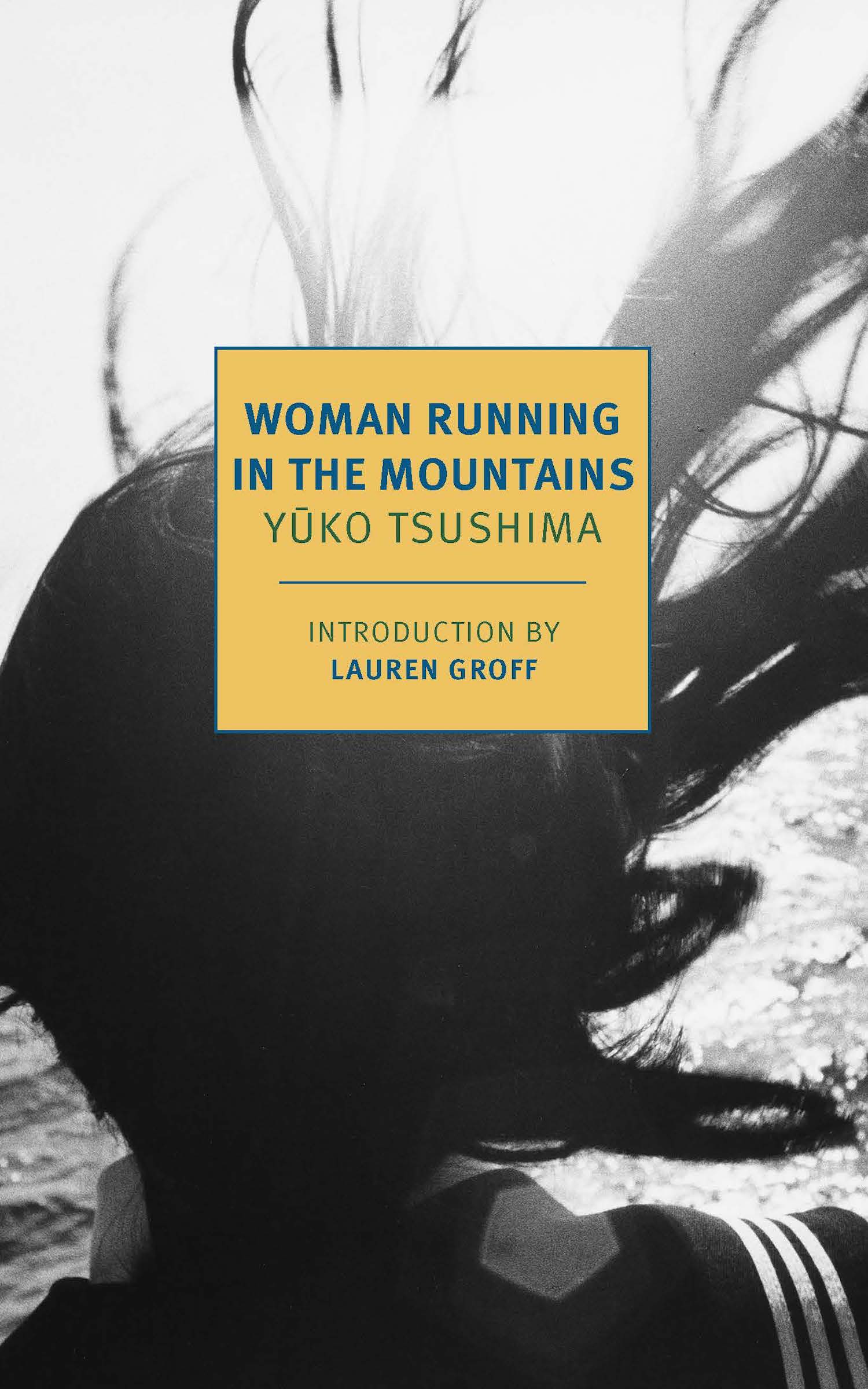
Title: Woman Running in the Mountains
Author: Yūko Tsushima
Translator (from Japanese): Geraldine Harcourt
Publisher: New York Review Books
Publishing Date: 2022 (1980)
No. of Pages: 275
Synopsis:
Alone at dawn, in the heat of midsummer, a young woman named Takiko Odaka departs on foot for the hospital to give birth to a baby boy. Her pregnancy, the result of a brief affair with a married man, is a source of sorrow and shame to her abusive parents. For Takiko, however, it is a cause for reverie. Her baby, she imagines, will be hers and hers alone, a challenge that she also hopes will free her. Takiko’s first year as a mother is filled with the intense bodily pleasures and pains that come from caring for a newborn. At first she seeks refuge in the company of other women – in the hospital, in her son’s nursery – but as the baby grows, her life becomes less circumscribed as she explores Tokyo, even ventures beyond the city into the countryside, toward a mountain that captures her imagination and desire for a wilder freedom.
 The Pine-Scented Chronicles