
Hello, readers! It is Monday again! As it is Monday, welcome to another #5OnMyTBR update. The rule is relatively simple. I must pick five books from my to-be-read piles that fit the week’s theme.
This week’s theme: No Prompt
Since there is still no prompt this week, I opted to feature works of German literature. This is also in line with my pivot toward European literature after spending the first half of the year reading exclusively works of Asian literature. Without ado, here are works of German literature I am looking forward to.

5OnMyTBR is a bookish meme hosted by E. @ Local Bee Hunter’s Nook where you choose five books from your to-be-read pile that fit that week’s theme. If you’d like more info, head over to the announcement post!
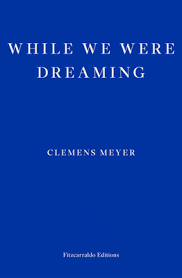
Title: While We Were Dreaming
Author: Clemens Meyer
Translator (from German): Katy Derbyshire
Publisher: Fitzcarraldo Editions
Publishing Date: 2023 (2007)
No. of Pages: 597
Synopsis:
Rico, Mark, Paul and Daniel were 13 when the Berlin Wall fell in autumn 1989. Growing up in Leipzig at the time of reunification, they dream of a better life somewhere beyond the brewery quarter. Every night they roam the streets, partying, rioting, running away from their fears, their parents and the future, fighting to exist, killing time. They drink, steal cars, feel wrecked, play it cool, longing for real love and true freedom. Startlingly raw and deeply moving, While We Were Dreaming is the extraordinary debut novel by one of Germany’s most ambitious writers, full of passion, hope and despair.
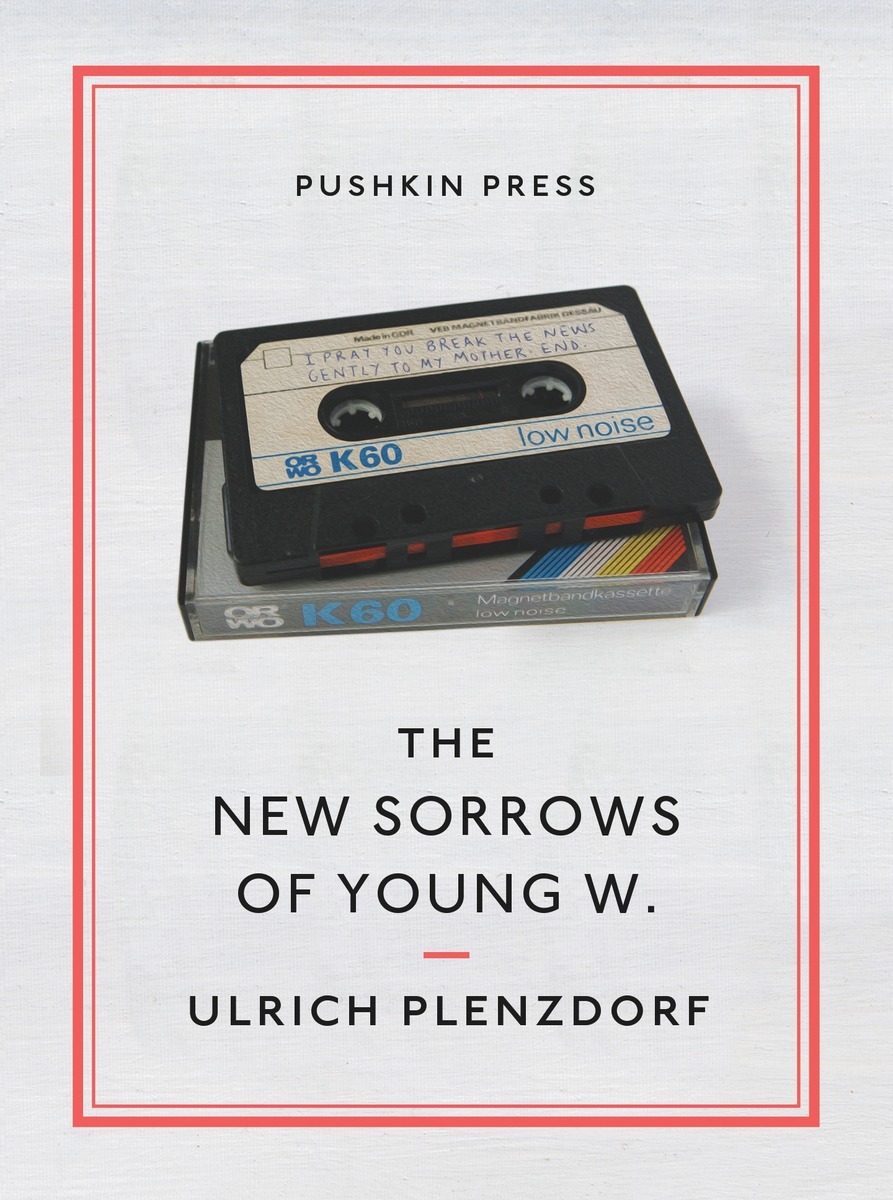
Title: The New Sorrows of Young W.
Author: Ulrich Pledzdorf
Translator (from German): Romy Fursland
Publisher: Pushkin Press
Publishing Date: 2015 (1972)
No. of Pages: 139
Synopsis:
Edgar W., teenage dropout, unrequited lover, unrecognized genius – and dead – tells the story of his brief, spectacular life.
It is the story of how he rebels against the petty rules of communist East Germany to live in an abandoned summer house, with just a tape recorder and a battered copy of Goethe’s The Sorrows of Young Werther for company. Of his passionate love for the dark-eyed, unattainable kindergarten teacher Charlie. And of how, in a series of calamitous events (involving electricity and a spray paint machine), he meets his untimely end.
Absurd, funny and touching, this cult German bestseller, now in a new translation, is both a satire on life in the GDR and a hymn to youthful freedom.

Title: The Strudlhof Steps
Author: Heimito Von Doderer
Translator (from German): Vincent Kling
Publisher: New York Review Books
Publishing Date: 2021 (1951)
No. of Pages: 839
Synopsis:
The Strudlhof Steps is an unsurpassed portrait of Vienna in the early twentieth century, a vast novel crowded with characters ranging from an elegant, alcoholic Prussian aristocrat to an innocent ingenue to “respectable” shopkeepers and tireless sexual adventures, bohemians, grifters, and honest working-class folk. The greatest character in the book, however, is Vienna, which Heimito von Doderer renders as distinctly as James Joyce does Dublin or Alfred Döblin does Berlin. Interweaving two time periods, 1908 to 1911 and 1923 to 1925, the novel takes the monumental eponymous outdoor double staircase as a governing metaphor for its characters’ intersecting and diverging fates. The Strudlhof Steps is an experimental tour de force with the suspense and surprise of a soap opera. Here Doderer illuminates the darkness of passing years with the dazzling extravagances that is uniquely his.

Title: The Silent Angel
Author: Heinrich Böll
Translator (from German): Breon Mitchell
Publisher: Picador
Publishing Date: August 1995 (1992)
No. of Pages: 182
Synopsis:
Rejected by German publishers in 1950, this recently discovered first novel by Nobel Prize winner Heinrich Böll is a treasure for scholars, students, and contemporary readers.
Just days after the end of World War II, German soldier Hans Schnitzler returns to a bombed German city, carrying a dead comrade’s coat to his widow – not knowing that the coat contains a will. Soon Hans is caught in a dangerous intrigue involving the will; he also begins a tentative romance with another grieving woman, as together they seek an identity and a future together in the ruined city.
Raw and masterful, The Silent Angel summons the full horror of war, while affirming the human heart’s enduring strength.
Title: Peter Camenzind
Author: Hermann Hesse
Translator (from German): W.J. Strachan
Publisher: Peter Owen
Publishing Date: 2002
No. of Pages: 174
Synopsis:
Peter Camenzind is the novel that ensured Hermann Hesse’s early literary reputation. Its semi-autobiographical basis gives us an important glimpse into the development of his beliefs and concerns, in particular the struggle of an artist to achieve a personal aesthetic ideal within a materialist and uncomprehending society.
Peter Camenzind is an introverted peasant boy, who becomes a student at Zurich University. He seems destined for some minor academic post, yet he does not choose this path, instead seeking enlightenment and self-knowledge in travel and worldly pleasures. But this salvation proves hard to attain, and it is not until he returns to his home village to care for his dying father that he can find the path that leads back to himself.

Title: Death in Venice
Author: Thomas Mann
Translator (from German): Stanley Appelbaum
Publisher: Dover Publications, Inc.
Publishing Date: 1995
No. of Pages: 62
Synopsis:
One of the most famous literary works of the twentieth century, the novella “Death in Venice” embodies themes that preoccupied Thomas Mann (1875-1955) in much of his work: the duality of art and life, the presence of death and disintegration in the midst of existence, the connection between love and suffering and the conflict between the artist and his inner self. Mann’s handling of these concerns in this story of a middle-aged German writer, torn by his passion for a Polish youth met on a holiday in Venice, resulted in a work of great psychological intensity and tragic power.
 The Pine-Scented Chronicles