
Happy Tuesday everyone! As it is Tuesday, it is time for a Top Ten Tuesday update. Top Ten Tuesday is an original blog meme created by The Broke and the Bookish and is currently hosted by That Artsy Reader Girl.
This week’s given topic: Books with a High Page Count
Share those doorstop books!

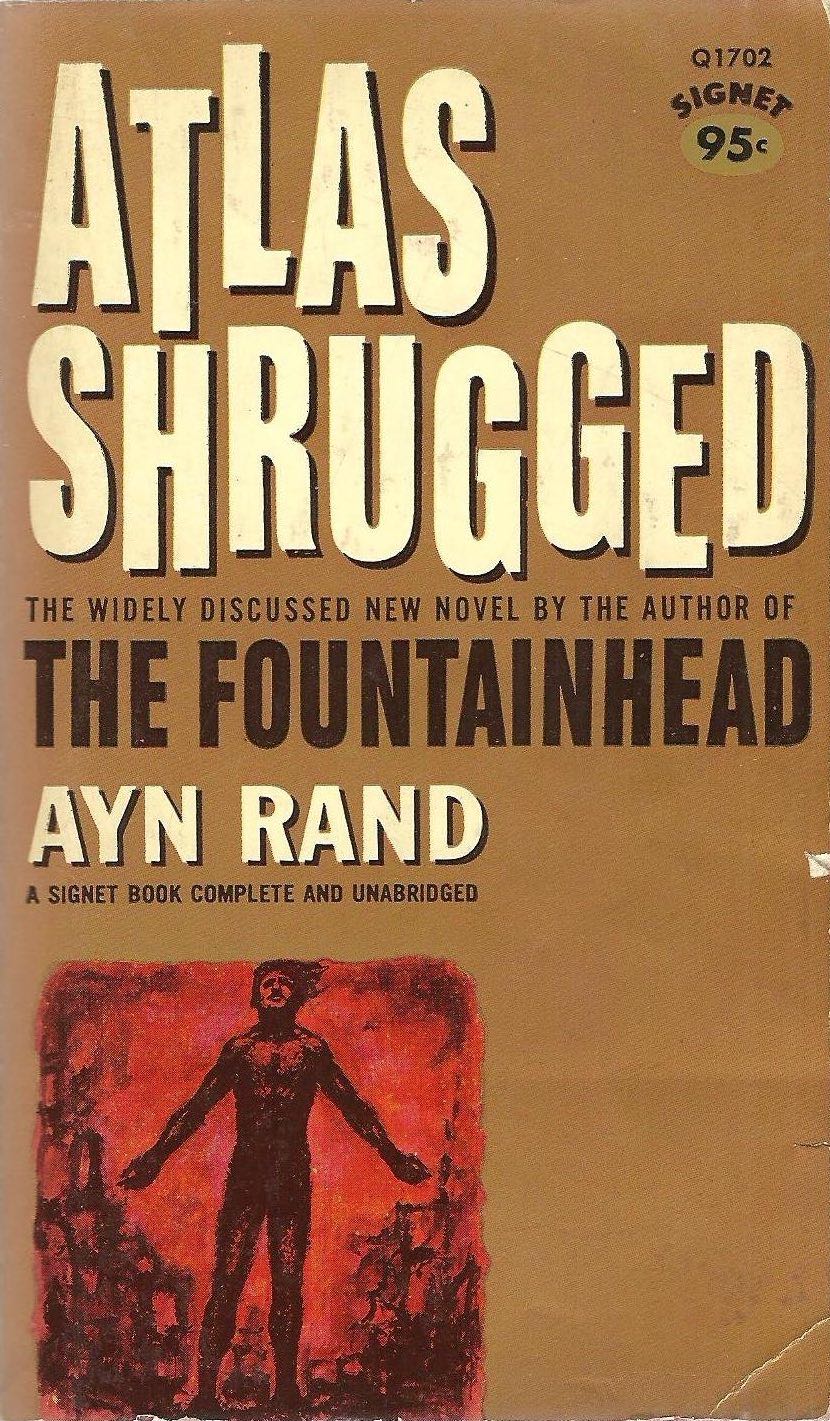
Atlas Shrugged by Ayn Rand
No. of Pages: 1,084
Snippet from my review: Through Dagny Taggart, Rand was able to highlight another critical yet unspoken issue – the unacknowledged role of women in the corporate board rooms. Rand was able to depict what was once the role of women in the boardrooms. Although Dagny was practically the one running Taggart Transcontinental, her role was undermined by her brother, the company president; she had to play second fiddle. Whenever her plans succeed, her brother takes credit, however, whenever there are failures, the blame lands on her.

War and Peace by Leo Tolstoy
No. of Pages: 1,386
Snippet from my review: In over a-thousand pages of intricate storytelling and masterful depiction, Tolstoy fascinated readers with his realistic portrayal of the Napoleonic invasion. Reading the novel was like watching a 3-D animated film, wherein the reader can literally breathe in the scenes that Tolstoy painted with his words. Military men and authors who specialize in war literature who read his work were impressed at the vividness and craftiness of the war scenes. Tolstoy’s contemporary writers like Fyodor Dostoyevsky, Ivan Turgenev and Ivan Goncharov also sang accolades for this colossal masterpiece. But who can blame these storied men for their fascination with War and Peace.

Infinite Jest by David Foster Wallace
No. of Pages: 1,079
Snippet from my review: One can’t help but be astounded by the novel’s encyclopedic scope, incorporating different subjects and theories pertaining to linguistics, film studies, addiction, science, sports and even issues of national identity. Wallace’s knowledge is simply astounding and how he hemmed it into one cohesive postmodern novel is an art in itself. One can barely imagine the extent of research that the author had to conduct in order to come up with this gloomy but realistic forecast of the future. It is a satire wrapped in humor.

A Suitable Boy by Vikram Seth
No. of Pages: 1,349
Snippet from my review: With its length alone, it is not lost on the readers that A Suitable Boy is an ambitious undertaking. Seth took a decade for the novel to be completed. The level and extent of his research were palpable in his first novel written in prose form. On the other hand, the story does have a tendency to meander. As the story toggles between Mrs. Mehra’s search for the titular suitable boy for her daughter and the escalating political tensions, one can easily get lost in the intricacies of the story. The story would also occasionally veer off course and explore the backstories of peripheral characters. They provided different textures if not layers of complexity to the story. With how the story flowed, it was palpable that Seth cared little about conforming to the conventions of storytelling and writing. He wrote about what he was interested in writing and he worked on it, no matter how intricate, no matter how verbose it is going to be.

Gone with the Wind by Margaret Mitchell
No. of Pages: 959
Snippet from my review: Amidst the plethora of subjects and varying themes, one centrifugal element stands out throughout the narrative. From the onset, the prevailing theme was survival; even Mitchell herself acknowledged that it was the novel’s heart. She was once quoted saying, “What makes some people come through catastrophes and others, apparently just as able, strong, and brave, go under? It happens in every upheaval. Some people survive; others don’t. What qualities are in those who fight their way through triumphantly that are lacking in those who go under? I only know that survivors used to call that quality ‘gumption.’ So I wrote about people who had gumption and people who didn’t.”

Parallel Stories by Péter Nádas
No. of Pages: 1,133
Snippet from my review: Parallel Stories, my first novel by Nadas, enthralled me with its graphic and descriptive storytelling. He conjured strong images that certainly have left deep impressions on me. Exploring seminal parts of Hungary’s contemporary history, the novel provided a peek into the heart, the soul, and the plights of his native country. Checking my notes, I did note “voyeurism” for it did give me that impression, especially on the first parts, which abounded with both overt and covert sexual encounters. Past the vivid and graphic images, Nadas riveted me with the intricacies of Hungary, and of how its history intersects with the powers that surround it. To some extent, it was engaging. We are regaled with a plethora of subjects and themes such as family dramas, architecture, opera singing, Nazism, and totalitarianism. It was a smorgasbord that was prepared by Nadas. Like most literary works, Parallel Stories had its fair share of slanders. Nevertheless, it was a rich and lush story that makes me look forward to reading more of the Hungarian novelist’s works.

2666 by Roberto Bolaño
No. of Pages: 893
Snippet from my review: 2666 was Roberto Bolaño’s swan song. His last novel consolidated his stranglehold as one of the best Latin American writers of his generation while, at the same time, introducing him to the rest of the world. 2666 was no ordinary novel as it vehemently and unapologetically challenged the conventions of writing. The multilayered novel straddled the thin lines separating fiction and nonfiction. An ordinary writer would have balked at the ambition but Bolaño was no ordinary writer. 2666 was the convergence of crime fiction, detective fiction, literary satire, and even picaresque. It is an ambitious literary masterpiece that pushed the boundaries of both storytelling and the readers’ imagination.
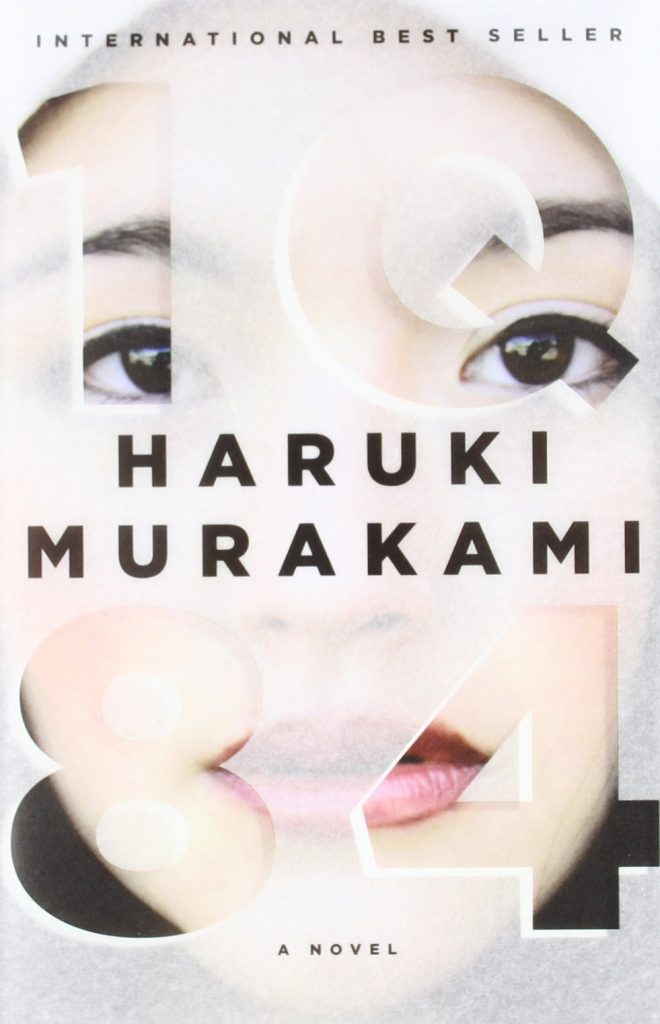
1Q84 by Haruki Murakami
No. of Pages: 925
Snippet from my review: The women of Troy, despite the oppression surrounding them, exhibited resilience. They were able to adjust to their situation and, in the process, they managed to build relationships. They managed to thrive. On the other side of the spectrum, Barker captures how violence can adversely impact men. This was captured primarily through Pyrrhus whose voice intertwines with Briseis’. His psychological profile was vividly built by Barker. The story captured his doubts, fears, and the pressures of living up to his father’s name. All throughout, he was overshadowed by his father’s greatness. Pyrrhus was an entirely different character compared to his father. Perhaps to partake of his father’s greatness or to commemorate him, Pyrrhus polished his father’s shield.
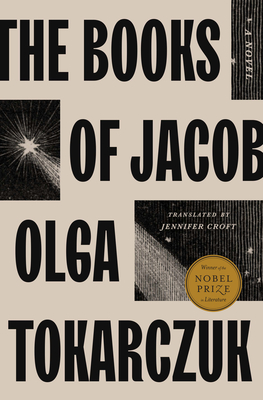
The Books of Jacob by Olga Tokarczuk
No. of Pages: 961
Snippet from my review: It was the very same work she was criticized for in her homeland that she was lauded for by the rest of the world. Her willingness to study her nation’s history made The Books of Jacob a stellar work of historical fiction. By chronicling the story of a Messiah, Tokarczuk conjured a world that was hopelessly clinging to certainty. But as The Books of Jacob, and even history itself, has underscored, nothing is ever fixed, including identities, religious dogmas, and physical boundaries. We inhabit a world that continuously shifts. This makes the novel resonate in the contemporary. Limits, whether physical or intellectual, existed to be breached and breach them Tokarczuk did by weaving a rich tapestry that was brimming with vivid details of diverse cultures, religions, and ideas. The Books of Jacob was lush and complex but at the same time remarkable and highly immersive.
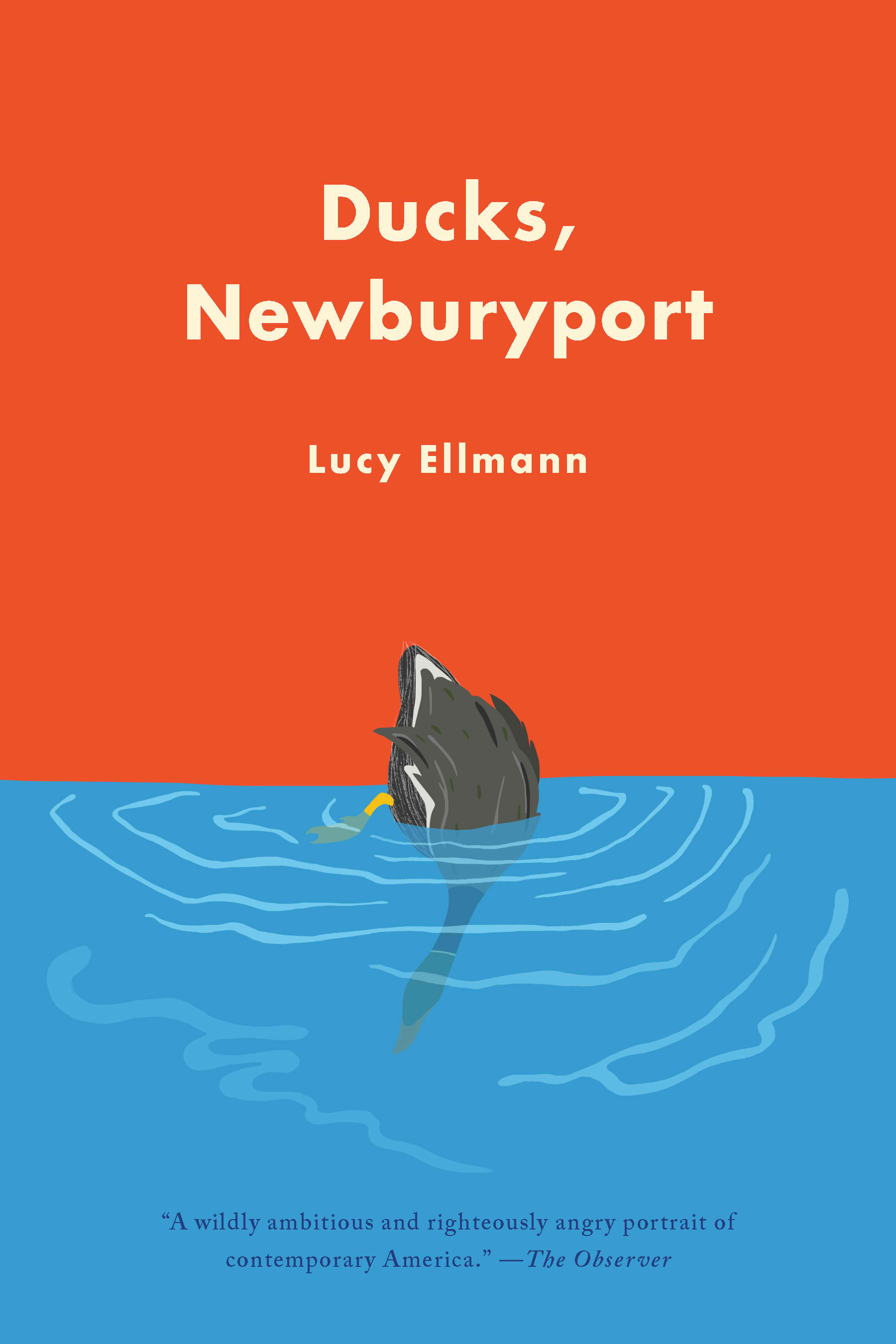
Ducks, Newburyport by Lucy Ellmann
No. of Pages: 988
Snippet from my review: More than the satire, Ellmann pushed the boundaries of writing with her powerful, if not idiosyncratic writing. She reminder us that the world of literature presents infinite means of making ordinary stories be heard through the din. Writers, present and past, keeps on unlocking uncanny ways to paint bigger pictures through words. They conjure stories and tales, cascading messages and voices so that the rest of the world can hear them. Lucy Ellmann, in her own special way, made sure to pay tribute to these small voices through this encyclopedic novel.
 The Pine-Scented Chronicles