Hello, readers! It is Monday again! As it is Monday, welcome to another #5OnMyTBR update. The rule is relatively simple. I must pick five books from my to-be-read piles that fit the week’s theme.
This week’s theme: No Prompt
Since there is still no prompt this week, I opted to feature works of Zimbabwean literature. I just learned that today is Unity Day in Zimbabwe. It has been commemorated annually since 1987, recognizing the union of two major but warring political parties, ZANU and ZAPU, as ZANU-P.F. Separately, these parties represented a dialect in the country: Ndebele & Shona. They each had strong views about the country’s direction. Today is a celebration of the country’s coming together, transcending racial, political, and religious divisions. Without ado, here are some books written by Zimbabwean writers that I am looking forward to.
5OnMyTBR is a bookish meme hosted by E. @ Local Bee Hunter’s Nook where you choose five books from your to-be-read pile that fit that week’s theme. If you’d like more info, head over to the announcement post!
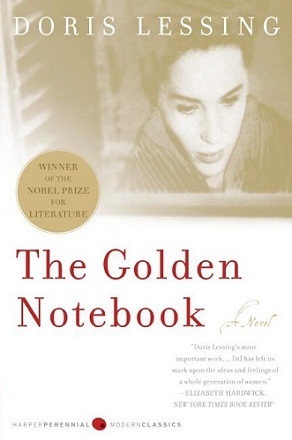
Title: The Golden Notebook
Author: Doris Lessing
Synopsis:
Anna is a writer, author of one very successful novel, who now keeps four notebooks. In one, with a black cover, she reviews the African experience of her earlier year. In a red one she records her political life, her disillusionment with communism. In a yellow one she writes a novel in which the heroine relives part of her own experience. And in the blue one she keeps a personal diary. Finally, in love with an American writer and threatened with insanity, Anna tries to bring the threads of all four books together in a golden notebook. (Source: Goodreads)
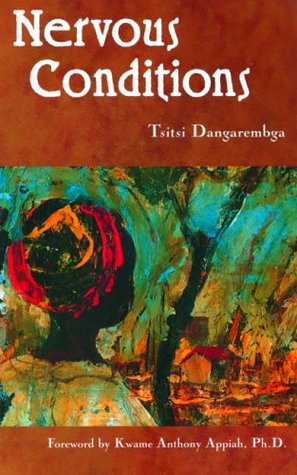
Title: Nervous Conditions
Author: Tsitsi Dangarembga
Synopsis:
A modern classic in the African literary canon and voted in the Top Ten Africa’s 100 Best Books of the 20th Century, this novel brings to the politics of decolonization theory the energy of women’s rights. An extraordinarily well-crafted work, this book is a work of vision. Through its deft negotiation of race, class, gender and cultural change, it dramatizes the ‘nervousness’ of the ‘postcolonial’ conditions that bedevil us still. In Tambu and the women of her family, we African women see ourselves, whether at home or displaced, doing daily battle with our changing world with a mixture of tenacity, bewilderment and grace. (Source: Goodreads)
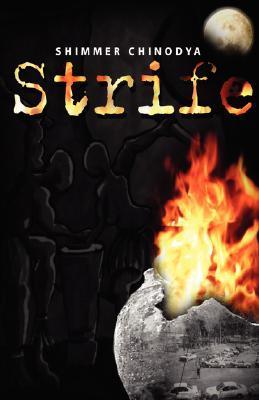
Title: Strife
Author: Shimmer Chinodya
Synopsis:
A rich, densely written novel, Strife examines one family’s responses to destiny. Tracing the Gwanagara’s roots back over a century, Chinodya interweaves past and the present, juxtaposing incidents never forgotten or resolved, revealing how memory becomes an actor in lived time. A large family grows up in Gweru. Their father aspires to be an enlightened Christian man, he sees his children through school and college where they do well. But as adults, they are struck by illness. Who is to blame? Who is to cure these ailments? What wrongs have they committed to offend the ancestors? How can atonement be made? Can education, science and medicine provide any solution? Their mother, the moon huntress, seeks out the answers and the cures in traditional beliefs and customs. Chinodya provides a dark expose of the tension between modernity and tradition. He explores the powerful draw that these sometimes conflicting ideologies exercise over an emerging middle-class that at once yearns for autonomy and unconsciously desires the irresponsibility of an all-pervading destiny.
Strife is a novel that has to be read by anyone seeking a deeper understanding of Zimbabwean culture in the twenty-first century. (Source: Goodreads)
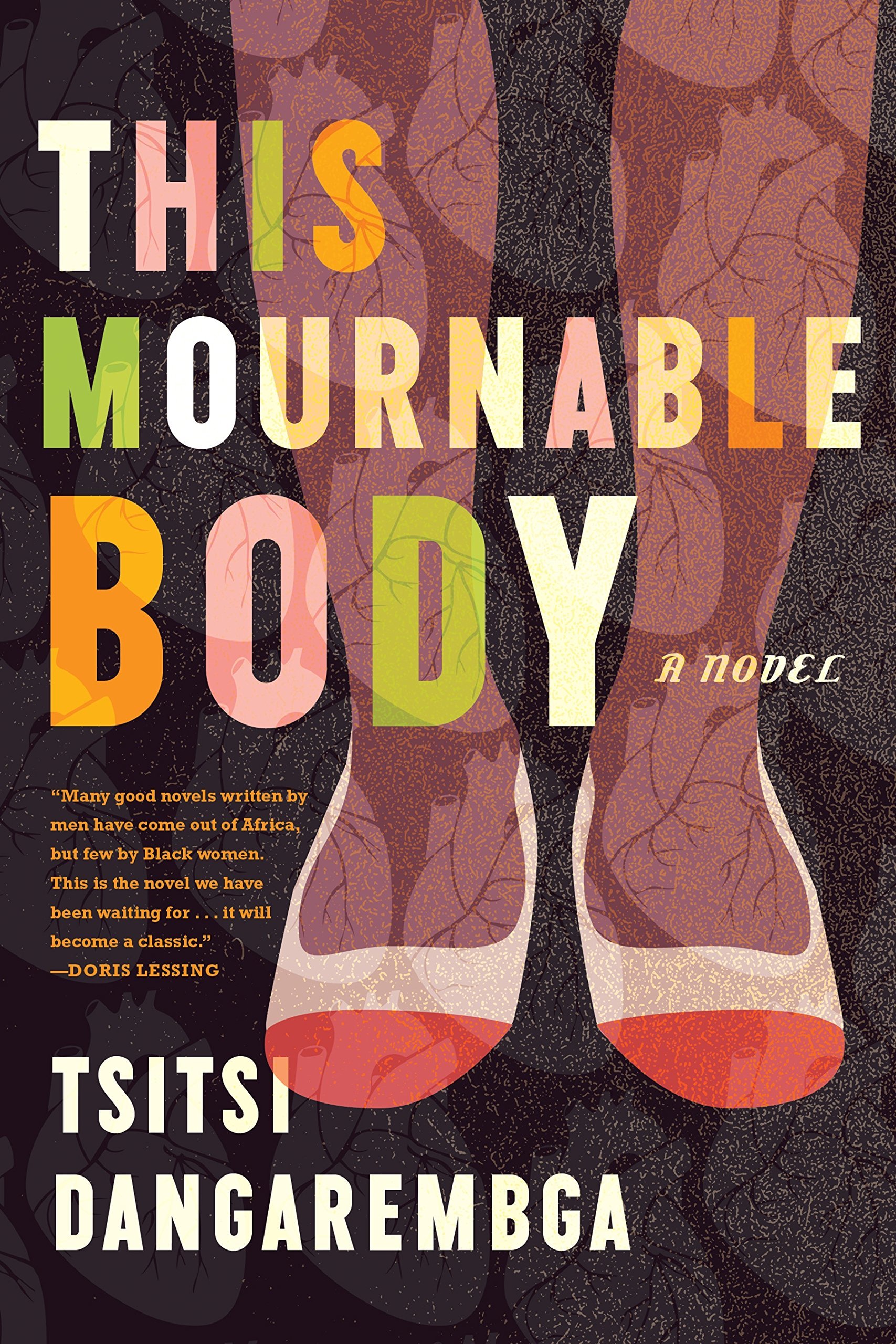
Title: This Mournable Body
Author: Tsitsi Dangarembga
Synopsis:
A searing novel about the obstacles facing women in Zimbabwe, by one of the country’s most notable authors
Anxious about her prospects after leaving a stagnant job, Tambudzai finds herself living in a run-down youth hostel in downtown Harare. For reasons that include her grim financial prospects and her age, she moves to a widow’s boarding house and eventually finds work as a biology teacher. But at every turn in her attempt to make a life for herself, she is faced with a fresh humiliation, until the painful contrast between the future she imagined and her daily reality ultimately drives her to a breaking point.
In This Mournable Body, Tsitsi Dangarembga returns to the protagonist of her acclaimed first novel, Nervous Conditions, to examine how the hope and potential of a young girl and a fledgling nation can sour over time and become a bitter and floundering struggle for survival. As a last resort, Tambudzai takes an ecotourism job that forces her to return to her parents’ impoverished homestead. It is this homecoming, in Dangarembga’s tense and psychologically charged novel, that culminates in an act of betrayal, revealing just how toxic the combination of colonialism and capitalism can be. (Source: Goodreads)
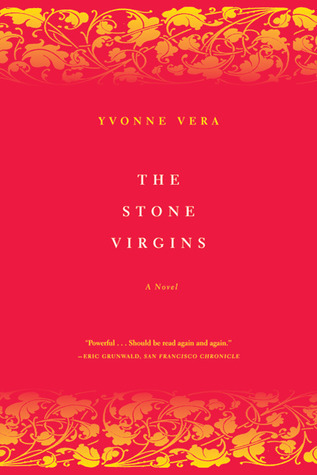
Title: The Stone Virgins
Author: Yvonne Vera
Synopsis:
Winner of the Macmillan Prize for African Adult Fiction An uncompromising novel by one of Africa’s premiere writers, detailing the horrors of civil war in luminous, haunting prose In 1980, after decades of guerilla war against colonial rule, Rhodesia earned its hard-fought-for independence from Britain. Less than two years thereafter when Mugabe rose to power in the new Zimbabwe, it signaled the begining of brutal civil unrest that would last nearly a half decade more. With The Stone Virgins Yvonne Vera examines the dissident movement from the perspective of two sisters living in a small township outside of Bulawayo. In a portrait painted in successive impressions of life before and after the liberation, Vera explores the quest for dignity and a centered existence against a backdrop of unimaginable violence; the twin instincts of survival and love; the rival pulls of township and city life; and mankind’s capacity for terror, beauty, and sacrifice. One sister will find a reason for hope. One will not make it through alive. Weaving historical fact within a story of grand passions and striking endurance, Vera has gifted us with a powerful and provocative testament to the resilience of the Zimbabwean people. (Source: Goodreads)
 The Pine-Scented Chronicles