
And that is a wrap! 2025 is in the books. Thank you, 2025, for all the memories and the lessons you’ve taught me. We’ve successfully completed a 365-day revolution around the sun. But as the old adage goes, with every end comes a new beginning. 2025’s conclusion comes with the opening of a new door. We are provided with 12 new chapters, each accompanied by 365 blank canvases, upon which to paint new memories. I hope that we will paint these pages with memories that we will cherish for a lifetime, may it be with the people we love or all by ourselves.
As has been the tradition in the past few years, I will be kicking off the new year by looking back to the previous year, its hits, and of course, its mishits. It is also an opportunity to take a glimpse of how the coming year is going to shape up. This book wrap-up is a part of a mini-series that will feature the following:
- 2025 Top 20 Favorite Books
- 2025 Book Wrap Up
- 2025 Reading Journey by the Numbers
- 2025 Most Memorable Book Quotes (Part I)
- 2025 Most Memorable Book Quotes (Part II)
- 2025 New Favorite Authors
- 2025 Beat the Backlist Challenge Wrap-up
- 2026 Books I Look Forward To List
- 2026 Top 26 Reading List
- 2026 Beat the Backlist Challenge
Familiar Literary Territories
2023 and 2024 have been very tedious reading years with their own rewards. With 259 books completed in a span of two years, they were by far my most prolific and diverse reading years. This, however, created pressure on me. How do I find a way to back up these two years? I have created an internal pressure that I must, somehow, assuage, or at least respond to. Regardless, I tried to dive into 2025 sans this weight, hence an initial venture into works of East Asian literature. My inability to hold a Japanese literature month in 2024 for the first time in a while was one of the primary drivers for this decision. Actually, my 2025 Top 25 Reading List, dominated by works of Japanese writers, was designed primarily for this.
Interestingly, the first book I read in 2025 was Richard Powers’ latest novel, Playground. I have been meaning to read his novel in 2024, but time did not allow me to do so. Regardless, it was a great way to open my 2025 reading journey, with its extensive examination of the pros and cons of artificial intelligence, making it a timely essential read. Once done with Playground, my foray into the works of East Asian writers commenced. First, the Japanese. Over the years, Japanese literature has certainly become one of my favorite parts of the literary world. In fact, Japanese writers are my third most-read writers, after American and British writers. Japanese, the language, is also my most-read non-English language. The diversity of Japanese literature made it a staple of my annual reading journey, well, except for 2024.
My return to the heart of Japanese literature was another memorable one. With 21 books read in total, it is my most-read literature in 2025. It has also introduced me to new names and reintroduced me to some familiar names, among them the staples of Japanese literature. Jun’ichirō Tanizaki (The Key), Osamu Dazai (The Setting Sun), Shūsaku Endō (Wonderful Fool), Yukio Mishima (The Frolic of the Beasts), Sawako Ariyoshi (The River Ki), Natsume Sōseki (Light and Darkness), and Kōbō Abe (The Ruined Map). More recent, but also familiar names that I encountered during this journey are Yoko Tawada (Scattered All Over the Earth), Banana Yoshimoto (Moshi Moshi), and Hiromi Kawakami (Strange Weather in Tokyo). It is always a pleasure being immersed in familiar territory.
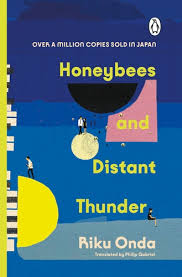
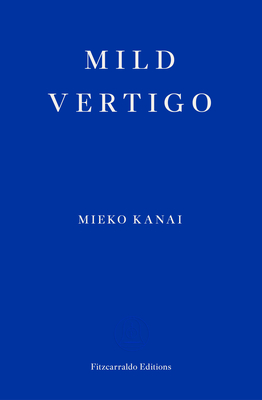
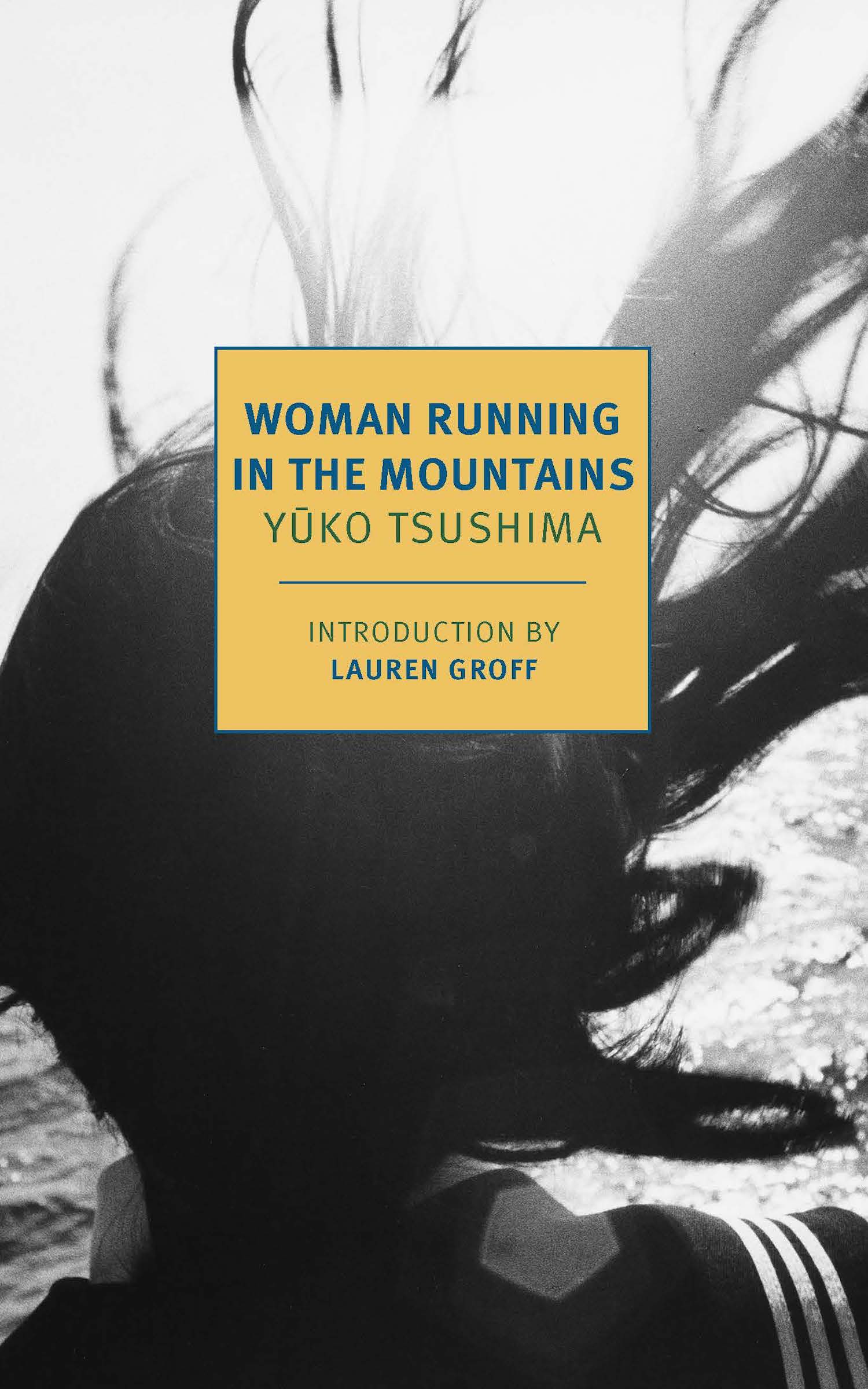
This, however, did not preclude me from expanding my venture into Japanese literature. In 2025, Sayaka Murata and Hiro Arikawa each had a work translated into English for the first time. Vanishing World (2015) is the familiar, but unsettling world of Murata, while The Passengers on the Hankyu Line (2008) is the continuation of Arikawa’s ordinary, but still heartwarming slice-of-life stories. I have also included on my 2025 Top 25 Reading List the works of Japanese writers whose oeuvres I have not explored before. Otohiko Kaga’s Marshland was my longest read in 2025. Riku Onda’s Honeybees and Distant Thunder was an interesting experience. Meanwhile, Mieko Kanai’s Mild Vertigo and Yūko Tsushima’s Woman Running in the Mountains were vivid explorations of the modern Japanese woman’s plight in what remains a highly patriarchal society.



China, Korea, and the Rest of Asia
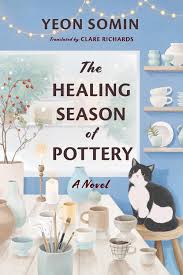
One of the reasons for opening 2025 with works of East Asian writers is Han Kang. The Korean writer was announced as the awardee of the highly prestigious Nobel Prize in Literature in 2024. This made her the first female Asian and Korean writer to earn the highest distinction for a literary career. As has been the case for Nobel Laureates in Literature, some of her works were reissued, while some of those that were not initially translated were translated. In 2025, her 2021 novel We Do Not Part was made available to Anglophone readers. It was, as always, a sharp yet poignant examination of contemporary Korean history, which also delves into the frailties of humanity. Apart from Han, the Korean writers I read in 2025 were all new-to-me, including Yeon Somin (The Healing Season of Pottery), Kim Ae-Ran (My Brilliant Life), and Sang Young Park (Love in the Big City).
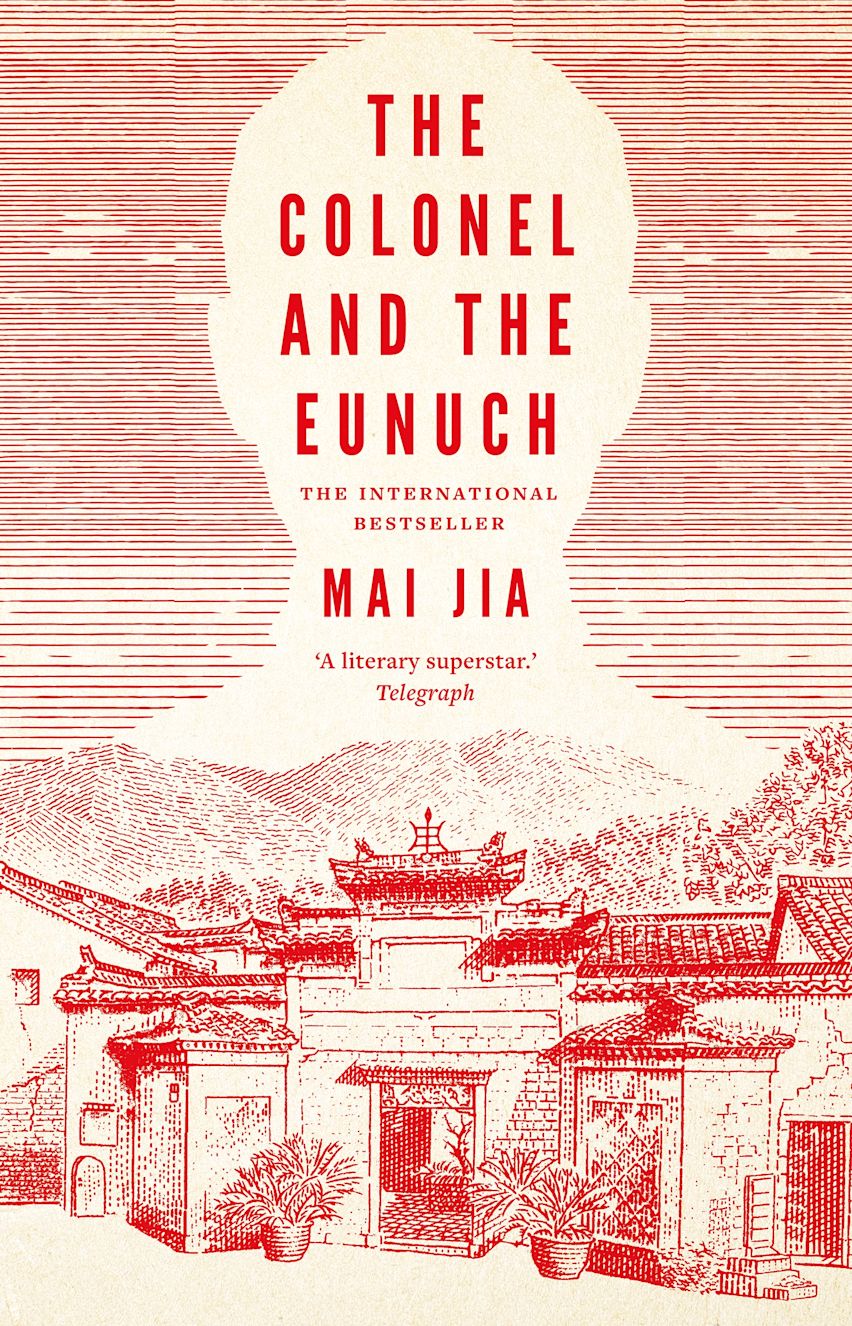
Chinese literature, on the other hand, is certainly one of the world’s oldest and most extensive literatures. Despite this rich legacy, my venture into Chinese literature has been limited, so far. With this in mind, it was imperative to read more works of Chinese writers in 2025. This journey was a healthy mix of long-established writers and more contemporary writers. In fact, except for Ha Jin, all Chinese writers whose works I read in the past year were all new-to-me, i.e., it was my first time exploring their oeuvres. Mai Jia’s The Colonel and the Eunuch, Yan Lianke’s Dream of Ling Village, Bai Hua’s The Remote Country of Women, Xiaolu Guo’s Twenty Fragments of a Ravenous Youth, Zhang Yueran’s Cocoon, and S.I. Hsiung’s The Bridge of Heaven each provided unique glimpses into China, its people, and culture.
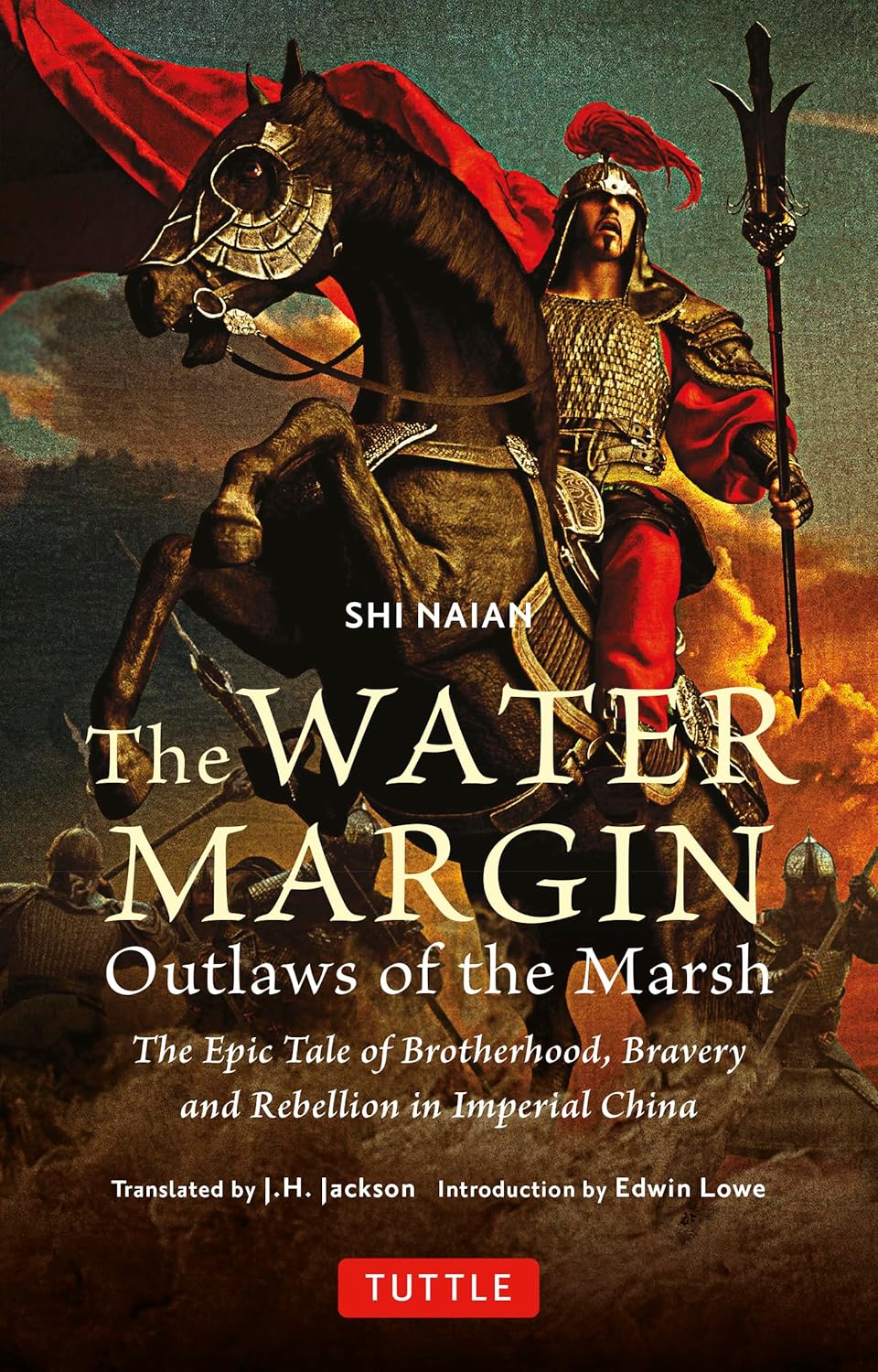
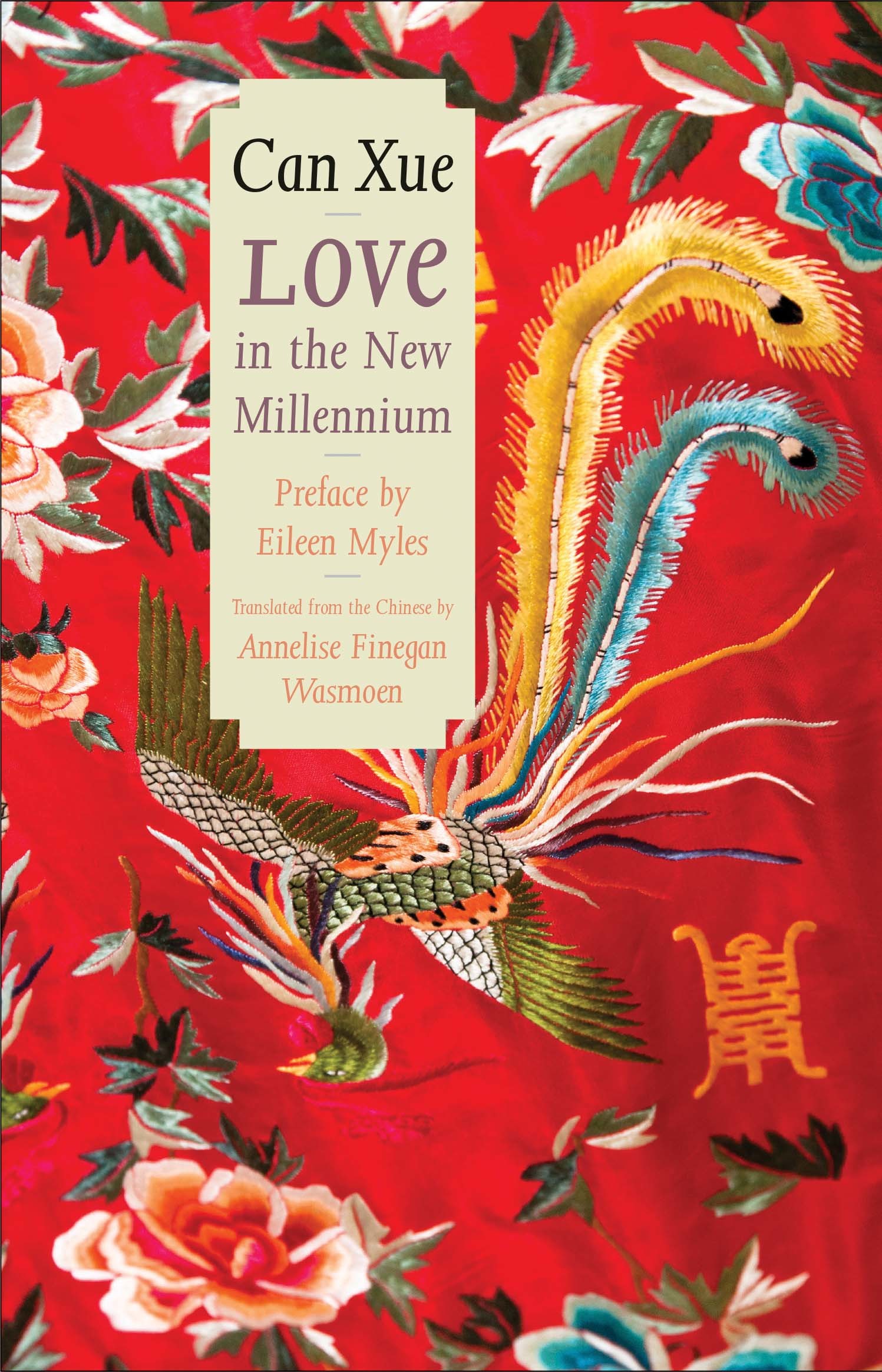
The highlight of my venture into Chinese literature, however, was Shi Naian’s The Water Margin (Outlaws of the Marsh), one of the four classics of Chinese literature. It was a literary treat, one that I find mirrors Eiji Yoshikawa’s The Heike Story. Both are lush historical works. Meanwhile, I was finally able to make good on my promise to explore Can Xue’s oeuvre. Long-heralded as a shoo-in for the Nobel Prize in Literature, Xue has definitely piqued my interest. Last year, I was able to acquire and read Love in the New Millennium. It was, to say the least, an interesting read that made me want to read her other works. Another female Chinese writer who took my interest was Eileen Chang. Half a Lifelong Romance. I hope I get to read more works of Chinese writers in the future. The Four (or Six) Classics of Chinese literature – the unabridged versions, of course – remain my priorities.




From East Asia, I made sure to explore the rest of the Asian continent. The Philippines, of course, is a must. In 2025, I read a total of four works of Philippine writers. I have become more diligent in including Filipino writers in my reading journey in the past few years; this comes after subconsciously avoiding their works. Lope K. Santos’s Radiance and Sunrise (Banaag at Sikat) is just the second novel originally written in Tagalog that I have read. I first came across the book during my history lessons in high school. It is, I learned, the first Asian proletariat novel. I was finally able to read Jessica Hagedorn’s Dogeaters, while Azucena Grajo Uranza’s Bamboo in the Wind transported me to the Martial Law era. Meanwhile, Samantha Sotto Yambao’s Water Moon was an interesting deviation as it was a fantasy romance story.
I also crossed the sea to dip my toes into the works of our SEA-blings; this is a pun for South East Asian neighbors. Saneh Sangsuk’s The Understory is the first work of a Thai writer I’ve read in a while. It is also the first novel originally written in Thai that I have read. While I have already read a novel by Dương Thu Hương, her Novel Without Name was the one that made an impression on me. I find The Zenith overwritten. I also made sure not to miss out on Ocean Vuong’s sophomore novel, The Emperor of Gladness. It was a long time coming, and the wait was worth it, although I still prefer On Earth We’re Briefly Gorgeous. Another work of queer fiction was Tash Aw’s The South. It was part of my 2025 Top 10 Books I Look Forward To List, and I was happy when I learned it was longlisted for the Booker Prize.
With four works written by Turkish writers in 2025, I have crossed a new threshold. It is even more special because I read works of Turkish writers not named Orhan Pamuk or Elif Shafak, although I did read Pamuk’s My Name is Red and Shafak’s There Are Rivers in the Sky. Zülfü Livaneli’s Serenade for Nadia and Sabahattin Ali’s Madonna in a Fur Coat are both immersive and atmospheric reads. A foray into Asian literature is not complete without Indian writers. Thakazhi Sivasankara Pillai’s Chemmeen is the first book originally written in Malayalam that I have read. Salman Rushdie is a more familiar territory, although he often disowns his debut novel, Grimus. During the year, I read Elias Khoury’s My Name is Adam: The Children of the Ghetto, my first novel by a Lebanese writer.
In their own unique way, these works of Asian writers – from Japanese to Filipino to Lebanese to Chinese – have left lasting impressions on me. These books reminded me of the region’s rich literary traditions. The dichotomies in culture and beliefs are mantles for compelling stories. They provided me glimpses into places and people that I would not have encountered had I not opened these books.
To Europe and Beyond
After spending the first half of the year exclusively reading works of Asian literature, I turned my attention to the rest of the world. Well, not really. After all, my goal remains to tick off the books on my 2025 reading challenges and goals. This then brought me to European literature. I resumed my 2025 literary journey with a familiar name in Hungarian writer Magda Szabó. It has been six years since the last time I read any of her works. While Abigail is starkly different from The Door, it was still a worthwhile read. David Szalay’s Flesh was one of the 10 books on my 2025 Top 10 Books I Look Forward To List. I was looking forward to reading it when it was longlisted for the Booker Prize. It was an interesting read. I was not surprised when it was announced as the winner of the 2025 Booker Prize.
Among the standouts of my return to European literature are the Russian writers. Like Japanese literature, Russian literature has grown on me. One of the reasons for this is Fyodor Dosto(y)evsky. In 2025, I read The Idiot, his fifth novel I read. I also finally read my second books by Vladimir Nabokov (King, Queen, Knave) and Ivan Turgenev (A Nest of the Gentry), two mainstays of Russian literature. Vasily Grossman’s Life and Fate is part of my 2025 Top 25 Reading List, and, at 871 pages long, is my second-longest read of the year. The historical details were vividly captured by Grossman (whom I initially thought was German). Yevgeny Zamyatin’s We is one of the seventeen books listed on the 1,001 Books You Must Read Before You Die list that I read during the year.
Speaking of. 2025 is now my most prolific Russian literature reading year. It is also the year I read the most books originally written in Russian. You see, one of my goals in 2025 is to read more works originally written in a language other than English. I must say it was a success because of the 119 books I read during the year, 76 were written in a different language. Japanese, of course, still tops the list, followed by Chinese and Korean. Among the non-Asian languages, Spanish ranks at the top, with six. This number includes books written by Latin American writers. Russian is second, while the German language is a close third, with four books; 2025 is my second most prolific reading year relative to books originally written in German. Interestingly, I have not read any book written in French. I just realized this now. Apart from Thai and Malayalam, 2025 added Slovene to my language list.


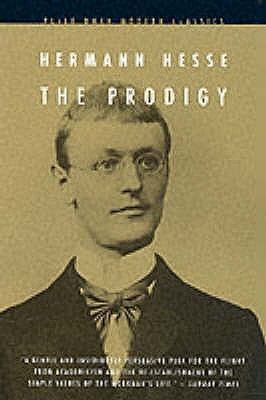
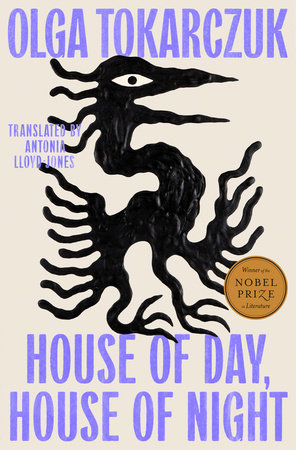
Compared to 2024, my 2025 reading journey has more structure. I started with the works of East Asian writers, then expanded to the rest of the Asian continent. I then traveled to Europe for the works of European writers. Nobel Laureates in Literature, naturally, are embedded in my reading journey. Apart from Han’s We Do Not Part and Pamuk’s My Name is Red, I read Halldór Laxness’s The Fish Can Sing, José Saramago’s Blindness and The History of the Siege of Lisbon, Hermann Hesse’s The Prodigy, and Thomas Mann’s Death in Venice. The rerelease of Olga Tokarczuk’s House of Day, House of Night in English, also did not escape my attention. Along with Han, the Polish writer is my most-read female Nobel Laureate in Literature. I also had my first novels by Heinrich Böll (The Silent Angel) and William Golding (Rites of Passage).
While the award’s Eurocentrism (and male-centrism) remains a very valid criticism, I had no qualms when Hungarian writer László Krasznahorkai was announced the 2025 awardee. It was a long time coming; I first heard of him during the lead-up to the 2018 awarding ceremonies. While he was not the awardee that year (awarded in 2019 in a delayed presentation due to controversies), he has piqued my interest. Sure, his works are complex and even dark, bordering on apocalyptic, but they are also compelling and, strangely, thought-provoking. Toward the end of the year, I read The World Goes On, his third book and first short story collection I read. I also acquired a copy of three of his other works; I started reading The Melancholy of Resistance on the last day of the year, and it is effectively my first read for 2026.
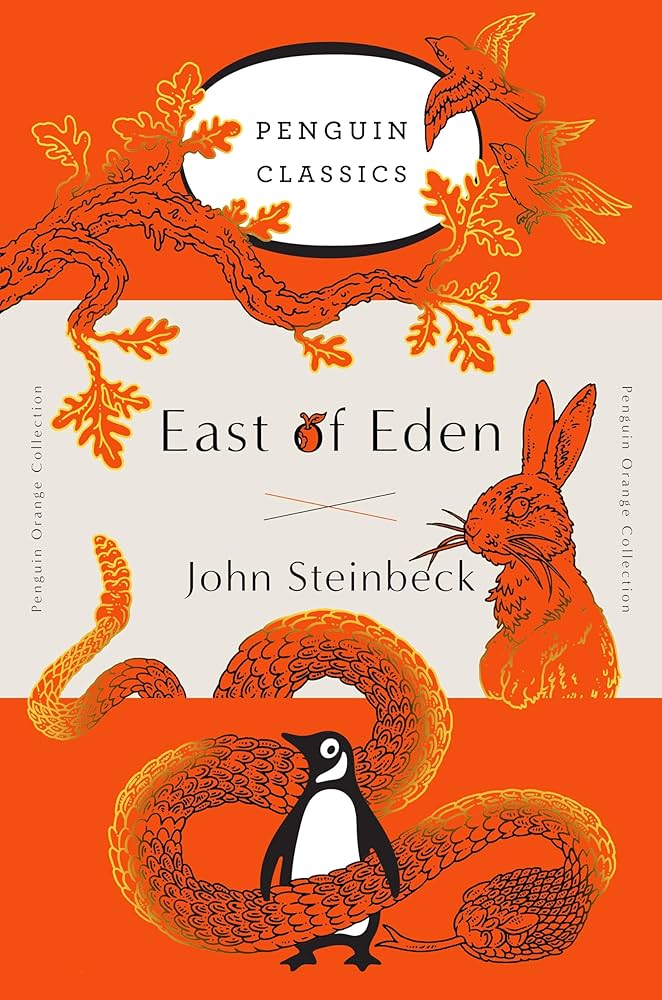
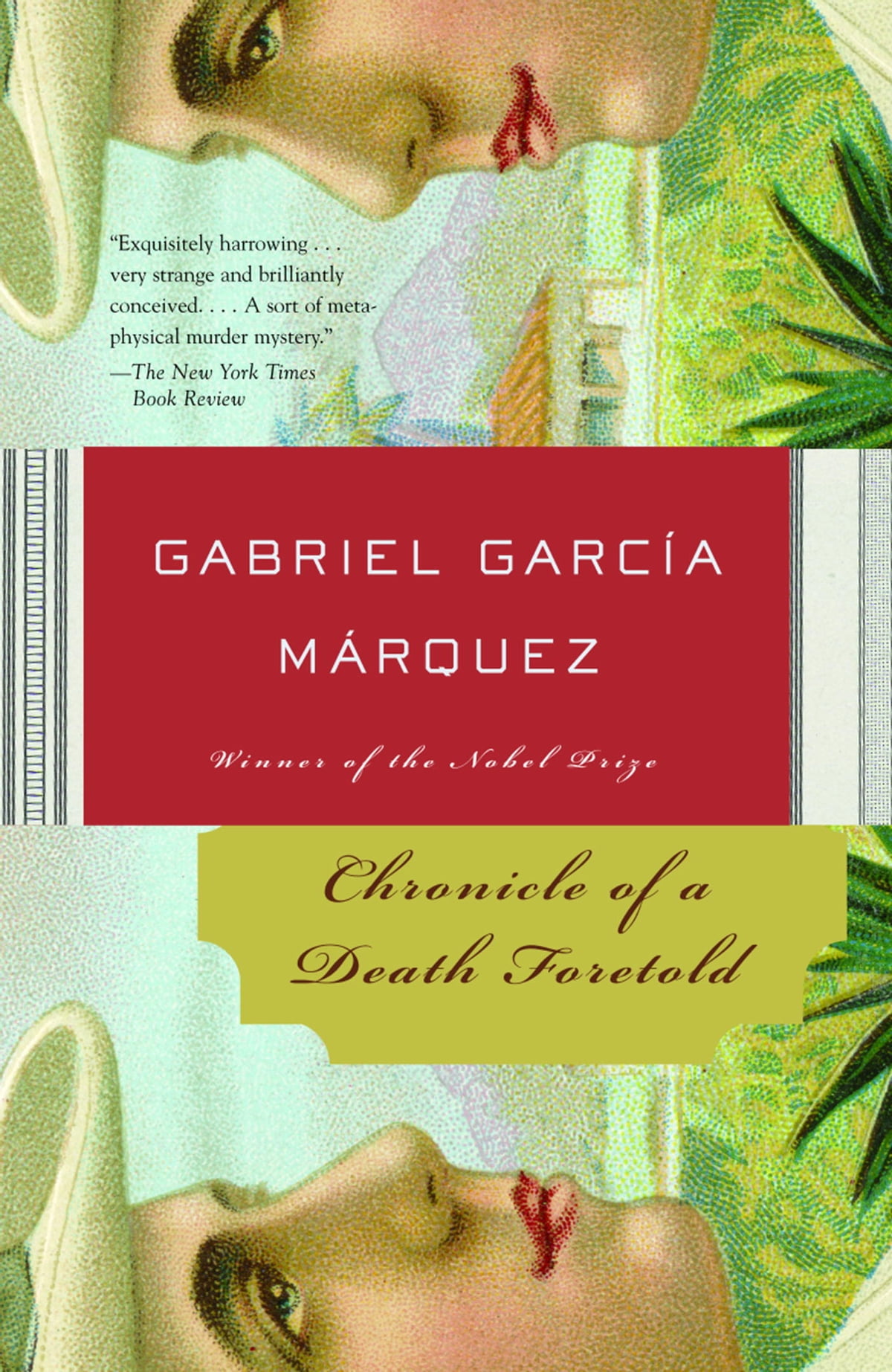
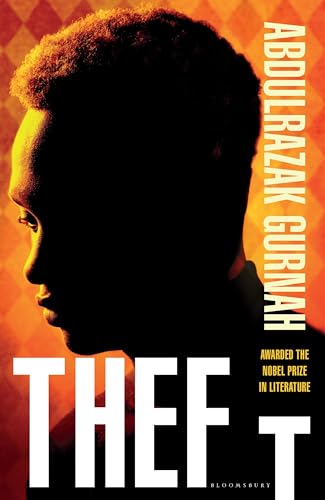
When my reading journey pivoted toward the Americas and Africa, I dropped by Colombia with Gabriel García Márquez’s Chronicle of a Death Foretold, Peru with Mario Vargas Llosa’s Death in the Andes, and, of course, the United States with John Steinbeck’s East of Eden and William Faulkner’s Light in August. I also did not miss out on the opportunity of reading Abdulrazak Gurnah’s Theft, his first novel since being awarded the Nobel Prize in Literature. My most-read writer in 2025, interestingly, is Thomas Pynchon. He has long been part of the Nobel Prize in Literature discourse. In 2025, he published Shadow Ticket, his first work in over a decade. On top of this, I read Inherent Vice and The Crying of Lot 49. I initially thought that I had included the former in my 2025 Beat the Backlist Challenge, only to realize it was the latter.



Apart from Pynchon, a perennial part of the Nobel Prize in Literature discourse is Canadian writer Margaret Atwood. I am still hopeful that she will eventually be recognized by the Swedish Academy. In 2025, I read my sixth Atwood novel, Alias Grace. It was yet another compelling read from Atwood, with a conclusion that I did not expect. It was a pleasant surprise. Not veering off from the Nobel Prize in Literature discourse. During the lead-up to this year’s awarding, one of the names that suddenly popped out was Mexican writer Cristina Rivera Garza. This is my first time encountering her, at least at the top of the betting sites. Curious about what her works have in store, I acquired and read Death Takes Me.
If the trend continues, the Nobel Prize in Literature awardee next year is going to be a female. This alternating trend of male and female laureates started in 2017 and 2018 when Kazuo Ishiguro (2017) and Tokarczuk (2018) were recognized. I am also hoping that an American – I am referring to the rest of the continent, not just the United States of America – writer will be recognized. The last time a Latin American writer was recognized was in 2010 when Vargas Llosa was awarded the prestigious prize. But then again. The Swedish Academy could be quite capricious. I guess there are so many things to look forward to in 2026, at least where the Nobel Prize in Literature is involved.
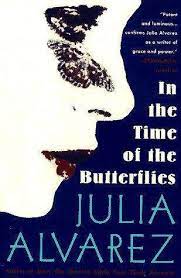
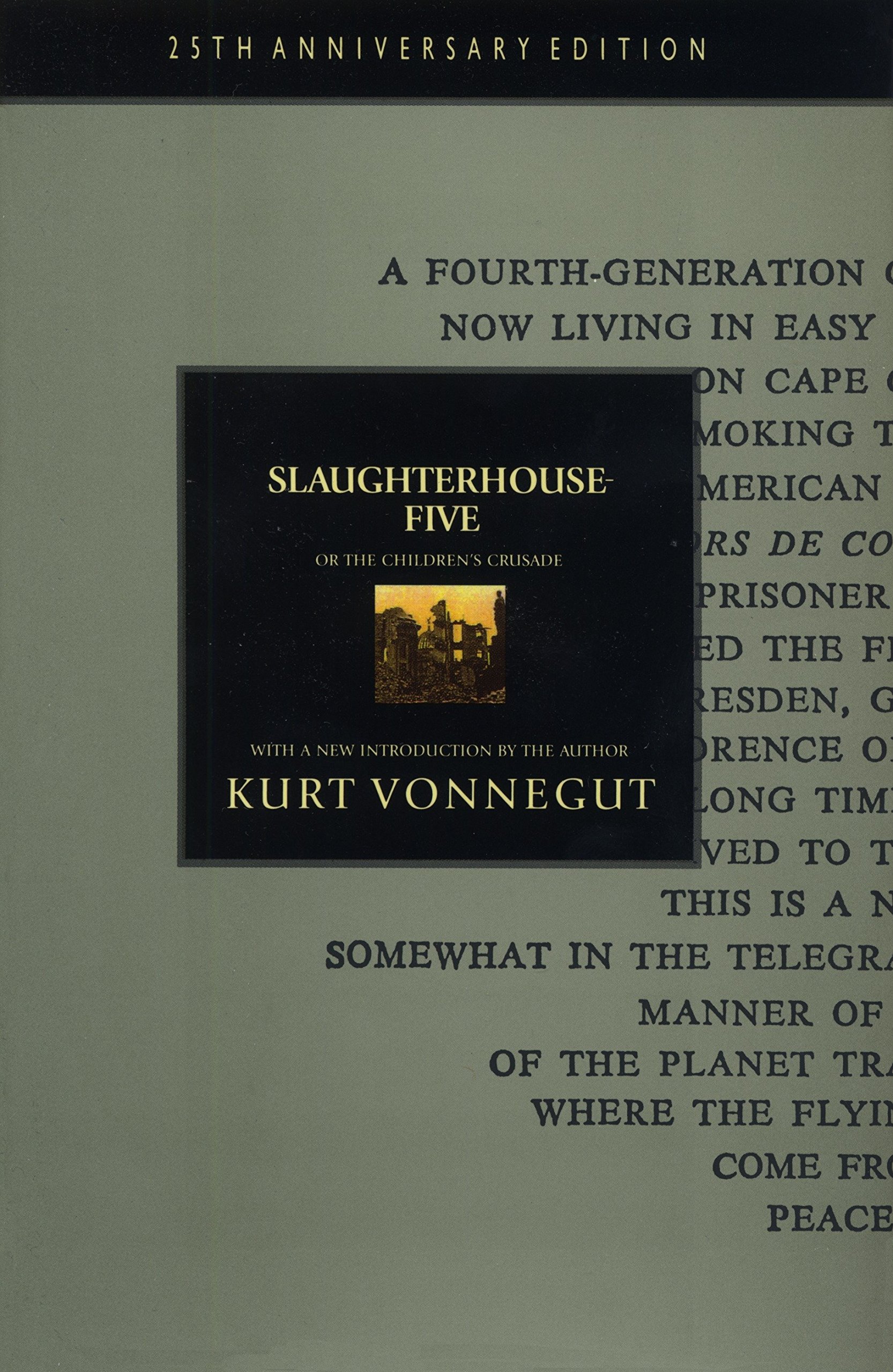
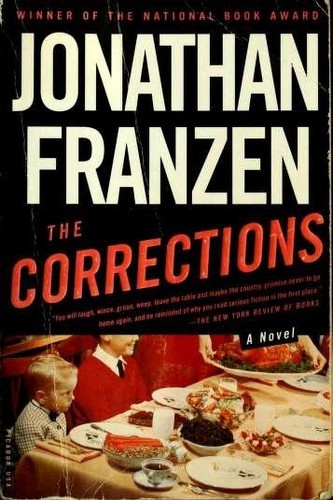
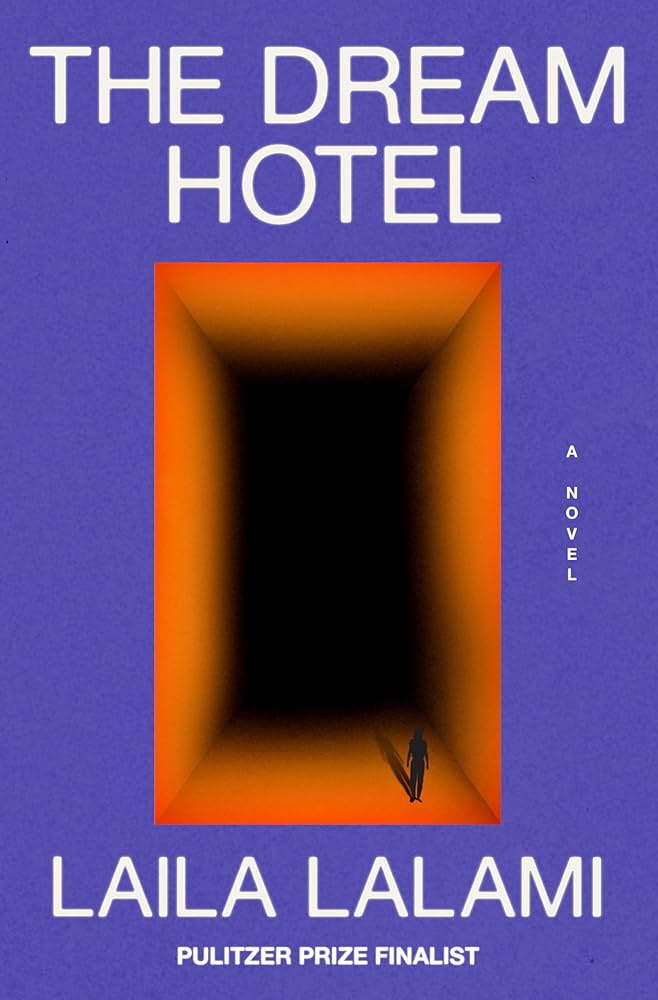
2025 was a year of finally being able to read books I had long wanted to read. This includes Kurt Vonnegut Jr.’s Slaughterhouse-Five, Julia Alvarez’s In the Time of the Butterflies, Willa Cather’s My Antonia, and Jonathan Franzen’s The Corrections. They are individually outstanding, providing me with different literary experiences. For instance, I now understand why Slaughterhouse-Five is considered a work of speculative fiction; I always thought it was a straight historical fiction. Like in the past, I tried to inject new works into my reading journey. Sure, I once again failed to complete all works on my 2025 Top 10 Books I Look Forward To List, but I was able to read some, like Laila Lalami’s The Dream Hotel, Nell Zink’s Sister Europe, and Chimamanda Ngozi Adichie’s Dream Count. Dan Brown’s latest novel, The Secret of Secrets, was also a sublime reading experience, one that I was not expecting.




A Near Miss
With time running out, I honestly thought that I would fail on my major reading goals. Sure, I was able to complete my goal of reading 100 books early, but I had to scramble for my other reading goals. It was already a foregone conclusion that I would not be able to complete my 2025 Top 10 Books I Look Forward To List. Of the ten books on the list, I was able to read about half. I also failed to complete at least fifteen new books; I finished with twelve. I was also three books short of my target of reading at least twenty books from the 1,001 Books You Must Read Before You Die list. It can be quite discouraging when you see these failed marks. Still, there are reasons to celebrate small victories.
Thankfully, I was able to complete all 25 books on my 2025 Top 25 Reading List, although it was mid-December when I was finally able to complete it; the last book I read on the list was Alias Grace. I also maximized the year to complete my 2025 Beat the Backlist Challenge. Elizabeth George Speare’s The Bronze Bow was the third-to-last book I read this year. Overall, I finished the year with 107 backlist books, nearly double my goal of 60. I also went above and beyond my target of fifty translated books; I ended the year with 76. There were setbacks, but what is important is keeping your head up and moving forward, even if the progress is slow. This is the mantra I am taking with me to 2026.
2025 was quite the nail-biter, but I am glad I was still able to survive it. There are so many things to look forward to in 2026. 2025 had its own lessons, which I will take with me in the coming year. Thank you, 2025, and cheers to 2026!




2026 in Perspective
If there is anything that the past four years have reminded me of, it is that nothing is impossible. Who would have thought that, after years of trying to cross the 100 mark, I was finally able to do it in 2022? I have actually lost all hope of being able to pull it off after years of trying. Just when Persistence does pay off. I was even able to pull it off four years in a row. It is at the back of this newfound confidence that I resolve to build on this momentum. Ordinarily, I set my annual reading goal to a conservative level, usually seventy or eighty books, then recalibrate as the year goes along. In 2025, and this year, I already set my reading goal to 100 from the onset. There are still some reservations about being able to accomplish it, but I can say that I have become more confident. I know I will be able to replicate this feat, but, of course, I have to work hard on it.
On the other hand, because of the sheer volume of books I read in the past few years, my book review backlog continues to grow. I ended 2024 with over 100 books pending for review. I did plan on making a dent in 2025, but my year has become more hectic than I anticipated. I did finish the year with a decent sixty-one book reviews. However, I was unable to finish all my 2023 pending book reviews – I still have twenty-eight books pending for review – while I barely made any progress on my 2024 book reviews. I guess it is still progress because I started the year with over sixty 2023 pending book reviews. However, I have doubled my overall pending book reviews; I ended 2025 with over 200 books pending.
As such, more than reaching my reading target, my goal for 2026 is to reduce my growing book review backlog. The mantra, however, remains the same. I am going to take it one step at a time. If the past four years are any indicator, the first month of the year is usually the slowest one. At work, it is usually the busiest time. Blogging-wise, it is also the busiest period, because I focus on several year-end book blogging wrap-ups. Nevertheless, I will work hard to pick up the pace as the year moves forward. Still, my reading goal for 2026 remains the same. I will keep on pushing the boundaries of my reading journey. I will be exploring worlds that I haven’t been to before while, at the same time, visiting old reliable.
Speaking of old reliable, I resolved to kick off my 2026 reading journey by reading works of Latin American writers. The last time I held a Latin American literature month was in 2023. Beyond Latin American literature, I have several books I want to read. Too many good books to read yet so little time. Ironically, or perhaps not, the more I expand my reading boundaries, my reading list grows tenfold. Regardless, I will consume as many books as I can, with the ultimate goal of gaining a better understanding of the world, its people, and their culture. I have built momentum during the pandemic; these years were marked by huge strides and milestones. I just have to sustain this momentum. If I work hard enough, I might just even break more barriers in 2026.
Here’s a toast to an amazing, healthy, and safe 2026! May it be a great year for everyone, may it be in terms of reading or not. May we all achieve all our goals this year. As always, happy reading!

 The Pine-Scented Chronicles