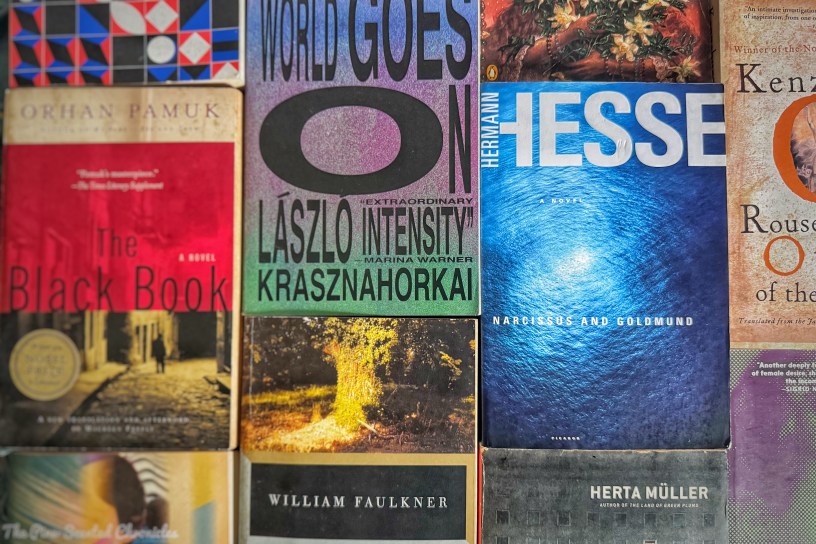
And that is a wrap! 2025 is in the books. Thank you, 2025, for all the memories and the lessons you’ve taught me. We’ve successfully completed a 365-day revolution around the sun. But as the old adage goes, with every end comes a new beginning. 2025’s conclusion comes with the opening of a new door. We are provided with 12 new chapters, each accompanied by 365 blank canvases, upon which to paint new memories. I hope that we will paint these pages with memories that we will cherish for a lifetime, may it be with the people we love or all by ourselves.
As has been the tradition in the past few years, I will be kicking off the new year by looking back to the previous year, its hits, and of course, its mishits. It is also an opportunity to take a glimpse of how the coming year is going to shape up. This book wrap-up is a part of a mini-series that will feature the following:
- 2025 Top 20 Favorite Books
- 2025 Book Wrap Up
- 2025 Reading Journey by the Numbers
- 2025 Most Memorable Book Quotes (Part I)
- 2025 Most Memorable Book Quotes (Part II)
- 2025 New Favorite Authors
- 2025 Beat the Backlist Challenge Wrap-up
- 2026 Books I Look Forward To List
- 2026 Top 26 Reading List
- 2026 Beat the Backlist Challenge
Ah. The backlist. As most of you know by now, I have always been the backlist type of reader. This is primarily driven by my late entry into the wonders of literature and reading. While some start very you, I started reading works of fiction when I was a senior in high school. Still, I read magazines and encyclopedias when I was younger. It comes as no surprise that my want-to-read list is brimming with backlist books. Even my bookshelf agrees with me. To decongest my growing backlist, I signed up for the Beat the Backlist Challenge. Over the years, it has become an integral part of my reading journey. This challenge was brought to life by Austine Decker. Essentially, the challenge is about ticking off older books from your to-be-read list. The books can be of any genre, format, or length.
Because of the type of reader that I am, I was easily able to complete my target of 60 backlist books. Of the 119 books I read in 2025, 107 are backlist books. Apart from this target, I added my own twist to the challenge. Apart from setting a target, I also craft a list of backlist books that I resolve to complete for the year. During the first time I participated in the challenge in 2019, I listed fifteen books, but I fell short. I then reduced my target to twelve books in the next two years. Thankfully, I was able to complete reading these books. I picked up a notch by listing fifteen books in 2022 and then 20 books in 2023 and 2024. Basically, I wanted to challenge myself. In 2025, I again listed twenty books, and for this year, I have no plans of changing that. While I liked the majority of the books in my 2025 Beat the Backlist challenge list, some fell short of my expectations. Nevertheless, I am glad that I came up with the list, for I have crossed out several books that have been gathering dust on my bookshelves.
Here’s my 2025 Beat the Backlist challenge list:


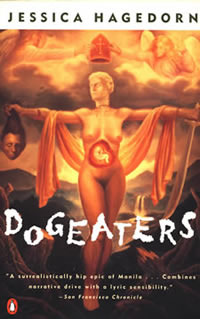

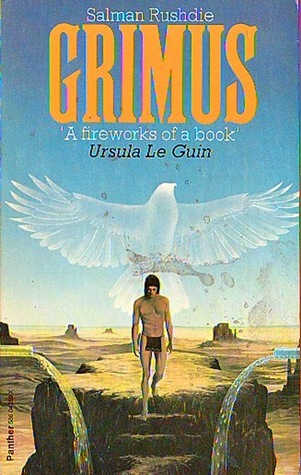






I also joined Beat the Backlist Bingo, particularly the 52 prompts. Unfortunately, I was not able to complete all fifty-two prompts. I was two books short. For one, I rarely reread books. Two, I did not read the shortest book on my reading pile. Nevertheless, here is how I fared in the bingo.
- Bargain poorly made
– Can’t I Go Instead (2016) by Lee Geum-Yi. Initially driven by privilege and a degree of self-interest, Yun Chaeryeong made a series of poor bargains with significant, often devastating, consequences. Her poor choices often adversely impacted the fate of the maidservant, Sunam - A chapter by any other name
– The Bridge of Heaven (1943) by S.I. Hsiung - A title written in the stars
– The Setting Sun (1947) by Osamu Dazai. - A wild exploration
– Playground (2024) by Richard Powers. The characters explore the depths of the sea in Powers’ latest novel. - Academia-mania
– Abigail (1970) by Magda Szabó. The Hungarian writer’s novel takes the readers to the Hungarian countryside, where Georgina “Gina” Vitay, a girl from Budapest, moved at the behest of her father. There, she attended the Matula Institute, an old and traditional Calvinist girls’ boarding school in the fictional Protestant town of Árkod. At the school, Gina gets to the bottom of the mystery of Abigail, a statue in the school’s garden, where students who write to the eponymous Abigail receive a response letter. - As seen on social media
– We’ll Prescribe You A Cat (2023) by Syou Ishida. Heartwarming books written by Japanese writers have certainly been gaining traction on social media. Among the more recent is Ishida’s We’ll Prescribe You A Cat, which toys with the idea of having cats as catalysts for healing. - Baker’s dozen
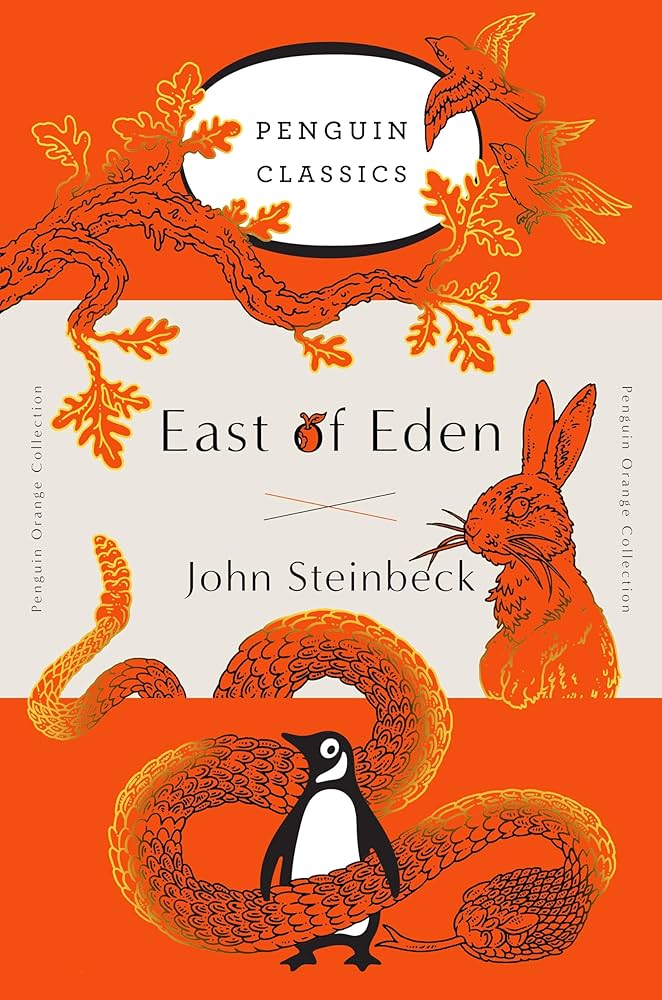
– East of Eden (1952) by John Steinbeck features baking, especially bread and pie by characters like Liza Hamilton and Lee. Baking represents comfort, sustenance, and skill. These contrast with the novel’s darker themes. Scenes featuring homemade bread, rising dough, and apple pies show cooking as a felt art, not just a learned skill. - Based on or inspired by a true story
– Alias Grace (1996) by Margaret Atwood was inspired by the story of Grace Marks, an Irish-Canadian maid who was involved in the 1843 murder of her employer, Thomas Kinnear, and his housekeeper, Nancy Montgomery, in Richmond Hill, Ontario. Her case was controversial, sparking extensive debates about her criminal liability.



- Between 275 – 325 pages
–Cocoon (2016) by Zhang Yueran, a novel confronting the legacy and trauma China’s Cultural Revolution left on the current generation, is 323 pages long. - Beyond your perspective
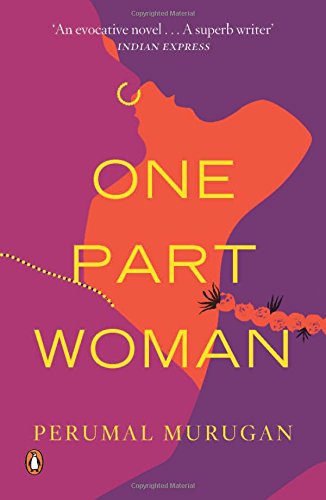
– One Part Woman (2010) by Perumal Murugan captures the story of a couple, Kali and Ponna. Living in Tamil Nadu, the couple was unable to conceive a child, resulting in the constant taunts from their families and fellow villagers. The novel provides an intimate glimpse into Indian culture and traditions, while examining the intricacies of marital life. - Break the rules
– Foucault’s Pendulum (1988) by Umberto Eco. Eco’s sophomore novel, Foucault’s Pendulum, opens with a man named Casaubon hiding in the Musée des Arts et Métiers after closing hours; the Musée housed the titular Foucault’s Pendulum. He believed that an occult group, which Casaubon believed kidnapped his friend, would convene at midnight at the museum. - Can’t be trusted
– Rites of Passage (1980) by William Golding. The narrator, Edmund Talbot, acts as an unreliable narrator due to his limited perspective as a young, aristocratic Englishman on a ship. His inherent biases, youthful naivete, and problematic values also adversely impacted how he conveyed the events that transpired during the ship’s journey. - Celebrity book club pick
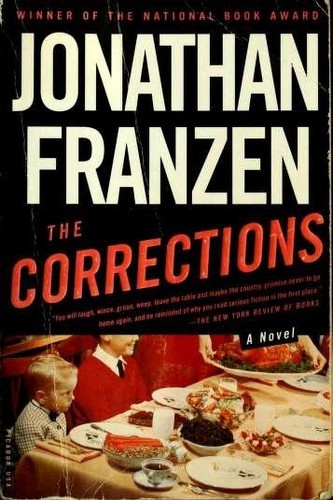
– The Corrections (2001) by Jonathan Franzen. The Corrections was chosen by Oprah’s Book Club. Ironically, this would stir controversy as Franzen was conflicted about his book being chosen by Oprah. Franzen was not satisfied with his work. - Character is an educator
– The Book of Illusions (2002) by Paul Auster. The main character is David Zimmer, a literature professor grieving the tragic loss of his wife and children. He then found an escape and a new purpose in researching the mysterious, vanished silent film star, Hector Mann. This would set into motion the novel’s primary action. - Childhood favorite re-read
– None - City skyline on the cover
– Miles from Nowhere (2009) by Nami Mun. - Companion novel
– Blindness (1995) by José Saramago. While Blindness doesn’t have a companion novel in the traditional sense, Saramago’s Seeing (2004) serves as a thematic sequel or companion piece, continuing his exploration of societal breakdown and human nature



- Cover features a weapon
– The Heike Story (1956) by Eiji Yoshikawa - Extra, extra!
– Wolf Hall (2009) by Hilary Mantel contains a list of the cast of characters and also family trees. - Family business
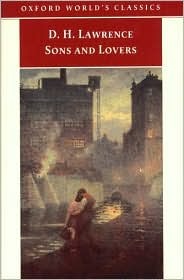
– Sons and Lovers (1913) by D.H. Lawrence. While Sons and Lovers primarily revolves around the story of Paul Morel, it does cover his family’s history, from the time his parents met to his romantic involvements. - Historically horrific
– Bamboo in the Wind (1990) by Azucena Grajo Uranza captures the years and events leading to the declaration of President Ferdinand Marcos’ Martial Law. The Martial Law era is one of the most horrific sections in the Philippines’ contemporary history - It’s cozy time
– The Passengers on the Hankyu Line (2008) by Hiro Arikawa is a collection of interconnected stories of random strangers whose lives have intersected on the Hankyu Line. Like Arikawa’s other translated works, particularly The Travelling Cat Chronicles, her latest translated novel is a mix of warmth and the ugly realities of our lives. - Language has power
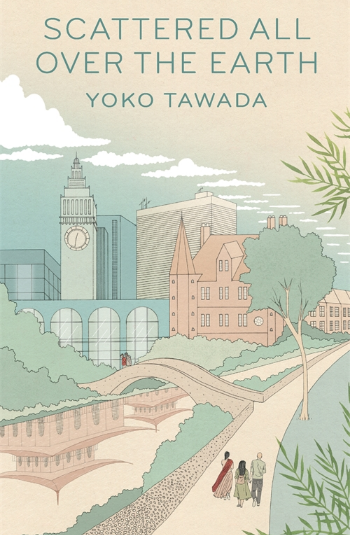
– Scattered All Over the Earth (2018) by Yōko Tawada. In Scattered All Over the Earth, Tawada explores the role of language in shaping identity and community. Hiruko, the novel’s main character, taught immigrant children in Denmark using her invented language, Panska. She then embarks on a journey to find someone who can also speak her language. - Less than 100 pages
– Death in Venice (2009) by Thomas Mann, at 64 pages, is my shortest read for the year. - Librarian recommendation
– We Do Not Part (2021) by Han Kang. I actually don’t visit physical libraries. Nevertheless, I learned that Librarian Journal has recommended Han Kang’s latest translated novel.




- More than 30 chapters
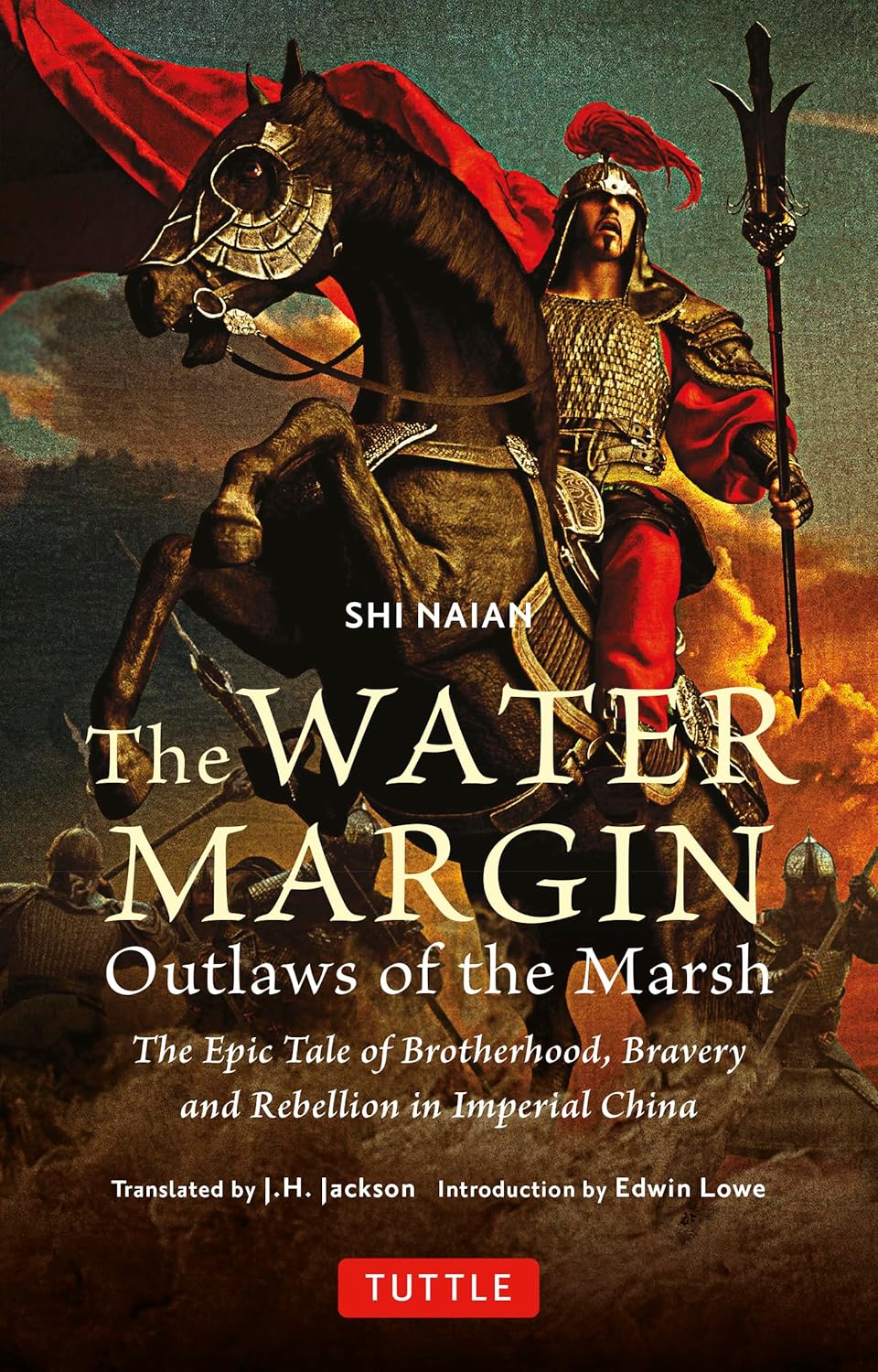
– The Water Margin (1370) by Shi Naian. One of the Four Classics of Chinese Literature, The Water Margin or Outlaws of the Marsh, has different versions. One has 70 chapters while another has 120 chapters. The Tuttle edition I completed was based on the 100-chapter version. - More than 600 pages
– Life and Fate (1960) by Vasily Grossman is 871 pages long, just three pages shorter than my longest read in 2025, Otohiko Kaga’s Marshland. - Name of the game
– Idu (1970) by Flora Nwapa captures the story of the titular Idu, a married woman navigating the complexities of marital life, often scrutinized by the community. - Not first, nor last
– Tales from the Café (2020) by Toshikazi Kawaguchi is the second book in the Japanese writer’s popular series, Before the Coffee Gets Cold. - Not your typical genre
– The Miracles of the Namiya General Store (2012) by Keigo Higashino. In a way, The Miracles of the Namiya General Store is also a deviation from Higashino’s works of detective and suspense fiction. The novel fuses elements of time travel and history, an interesting yet compelling literary experience. - Oldie but a goodie
– Radiance and Sunrise (1906) by Lope K. Santos. Banaag at Sikat, as it is referred to in Philippine history school books, Radiance and Sunrise is often referred to as the first Asian proletariat novel. I am happy I was able to read one of the books I used to encounter during my high school history classes. - On your TBR for over a year
– The Remote Country of Women (1994) by Hua Bai. It was through an online bookseller that I was able to encounter Hua Bai’s The Remote Country of Women back in June 2021. Unfortunately, it was left to suffer the same as most of my books, gathering dust on my bookshelf before I was finally able to find the time to read them. - Opening line includes an animal
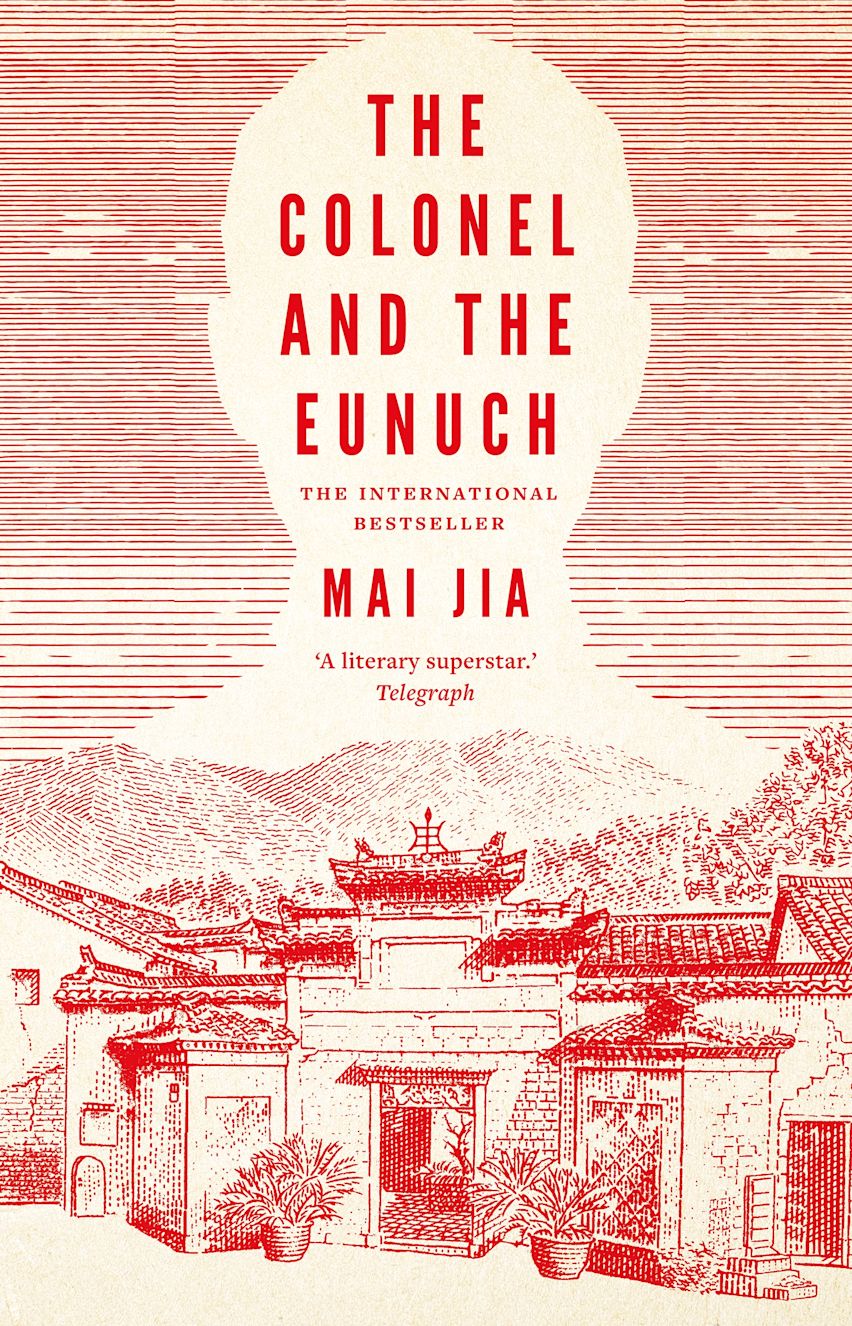
– The Colonel and the Eunuch (2024) by Mai Jian opens with the line: Grandpa used to tell me that Head Mountain used to be a dragon.





- Originally written in another language
– My Name is Adam (2016) by Elias Khoury, the first book in the Lebanese writer’s Children of the Ghetto series, was originally published in Arabic. - Prequel/sequel
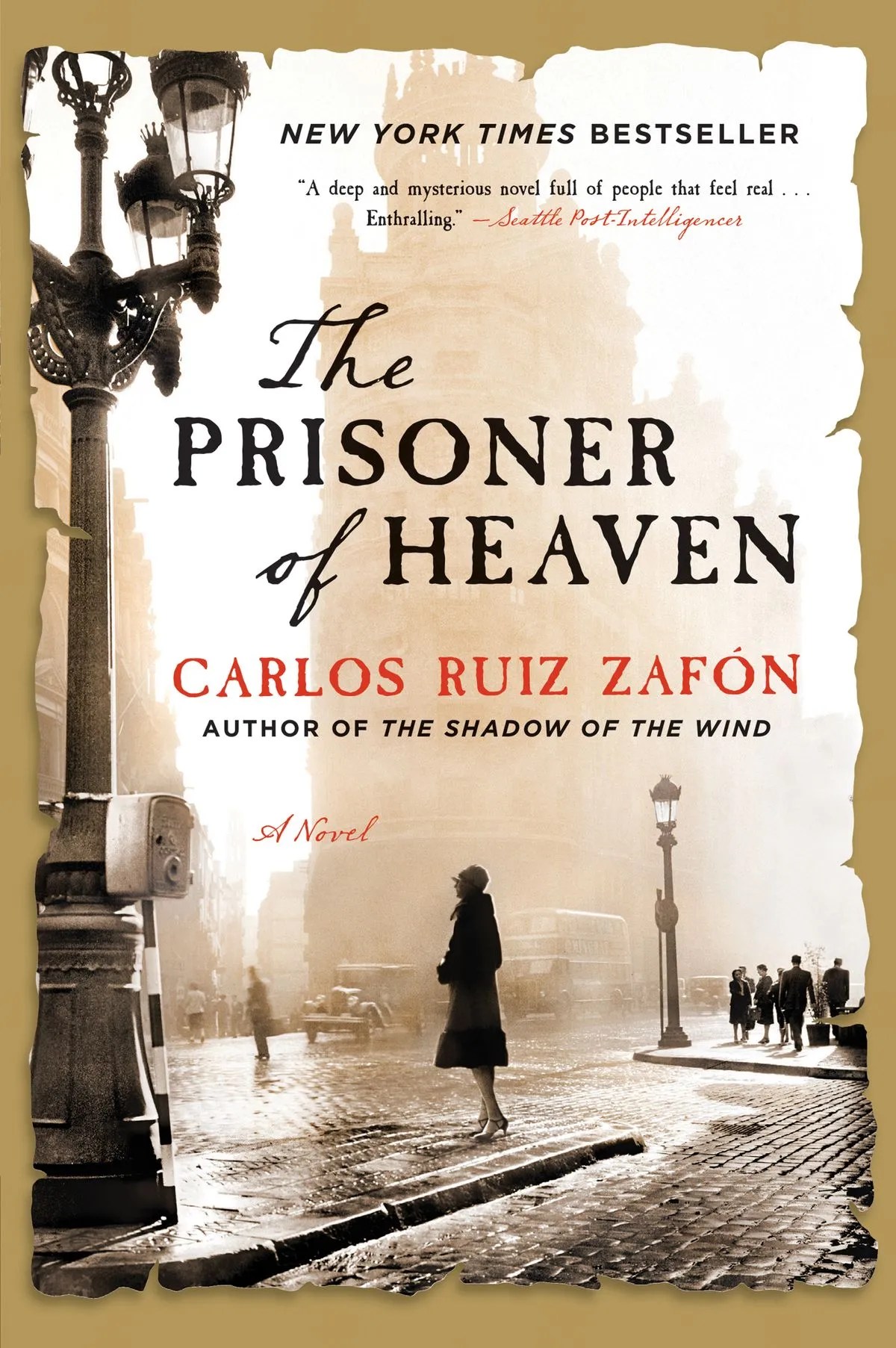
– The Prisoner of Heaven (2011) by Carlos Ruiz Zafón is the third book in the Spanish writer’s The Cemetery of Forgotten Books quartet. - Shared (zodiac) sign
– Coraline (2002) by Neil Gaiman was published on July 2, 2002. This means that we both have Cancer as our Zodiac sign. - Silhouette on the cover
– Seven Houses in France (2009) by Bernardo Atxaga. The cover of the novel has silhouettes of animals. However, from the forms, it was a challenge to discern what animals they are. - Sky-high
– Wonderful Fool (2000) by Shūsaku Endō. After a series of comic and unfortunate events, Gaston Bonaparte, a man who used to be a pen friend of Takamori during his school days, took flight and disappeared. - Someone’s morally gray…
– Inherent Vice (2009) by Thomas Pynchon. Essentially, all the characters in Inherent Vice are morally gray, including Larry “Doc” Sportello, the novel’s primary character. Doc is a private investigator and pothead. - Something upside down on the cover
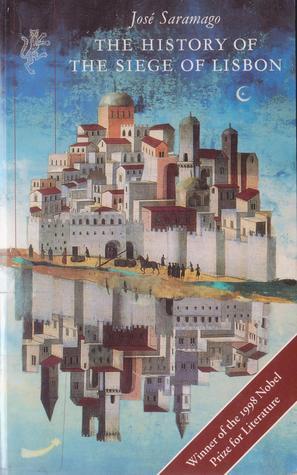
– The History of the Siege of Lisbon (1989) by José Saramago. If one does not pay attention to the fine print, one can surmise that the image on the book’s cover is a reflection. I thought the same, but then I noted that the details, especially in the foreground, are not the same. This led me to conclude that it is not a reflection. Still, it is an upside-down image of the city. - Standalone debut
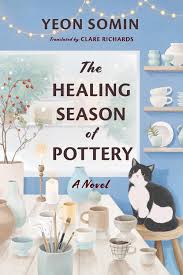
– The Healing Season of Pottery (2024) by Yeon Somin.



- Sweet treats
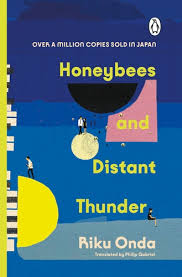
– Honeybees and Distant Thunder (2016) by Riku Onda. The honeybees in the title remind me of honey. Interestingly, Jin, one of the competitors in the Piano Competition at the heart of the story, is the son of a beekeeper. - That’s not supposed to talk
– My Name is Red (1998) by Orhan Pamuk. One of the Turkish Nobel Laureate in Literature’s most renowned works, My Name is Red, features inanimate objects, such as coins and artworks, which provide their own perspectives on the events unfolding around them. - This book is a hoot!
– Deplorable Conversations with Cats and Other Distractions (2024) by Yeoh Jo-Ann. Who would not be surprised when your recently deceased sister’s cat talks to you? - Tiniest on the TBR
– None - Title includes a type of flower
– Marigold Mind Laundry (2023) by Jungeun Yun. - Title starts with “V”
– Vanishing World (2015) by Sayaka Murata. - Unusual transportation
– We (1924) by Yevgeny Zamyatin. In the far future, the denizens of the world are using Spaceship integral as mode of transportation.


- Way back in 2020
– The Cartographer of Absences (2020) by Mia Couto. - Weather the storm
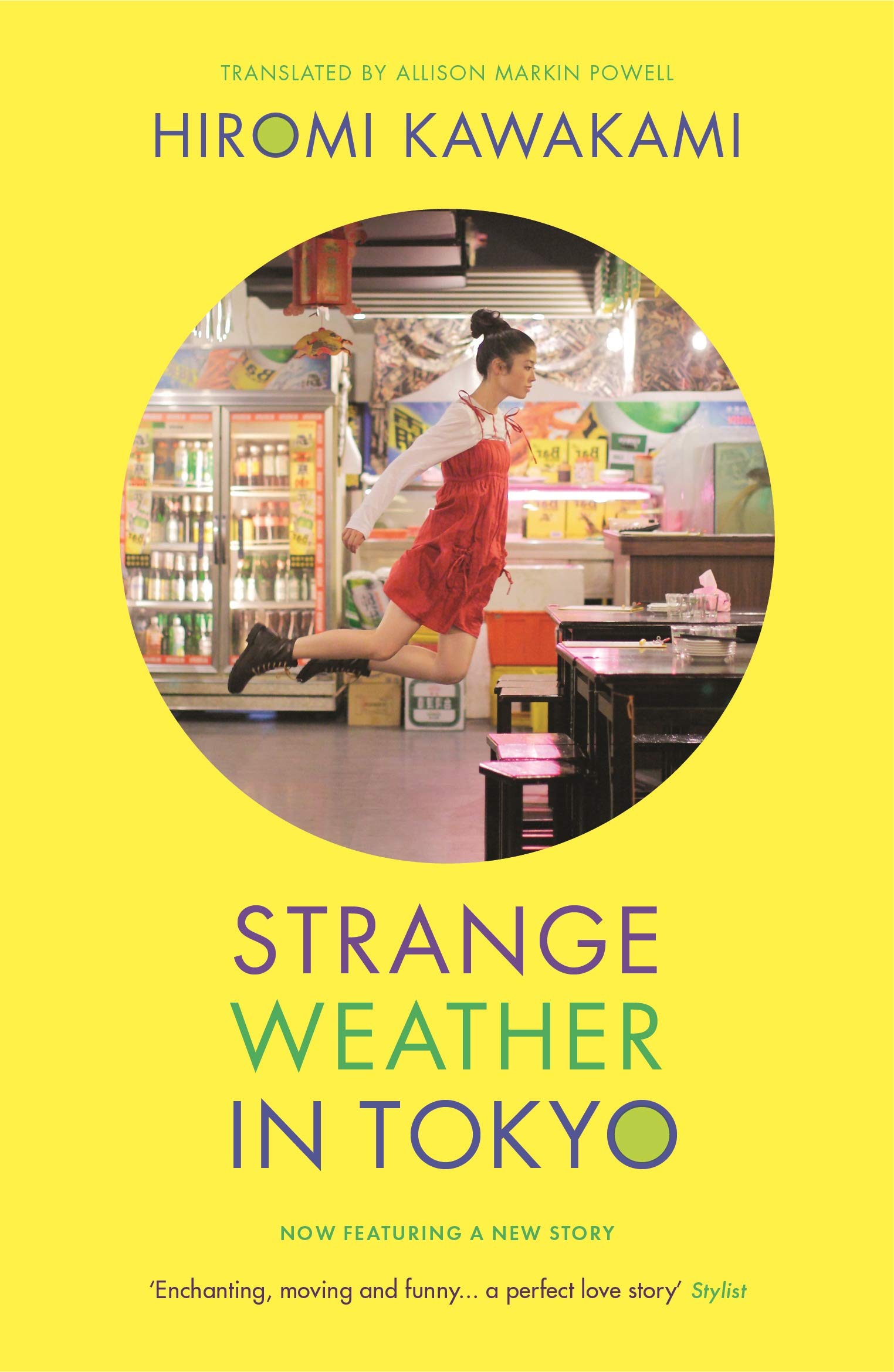
– Strange Weather in Tokyo (2001) by Hiromi Kawakami. - Weird is the word
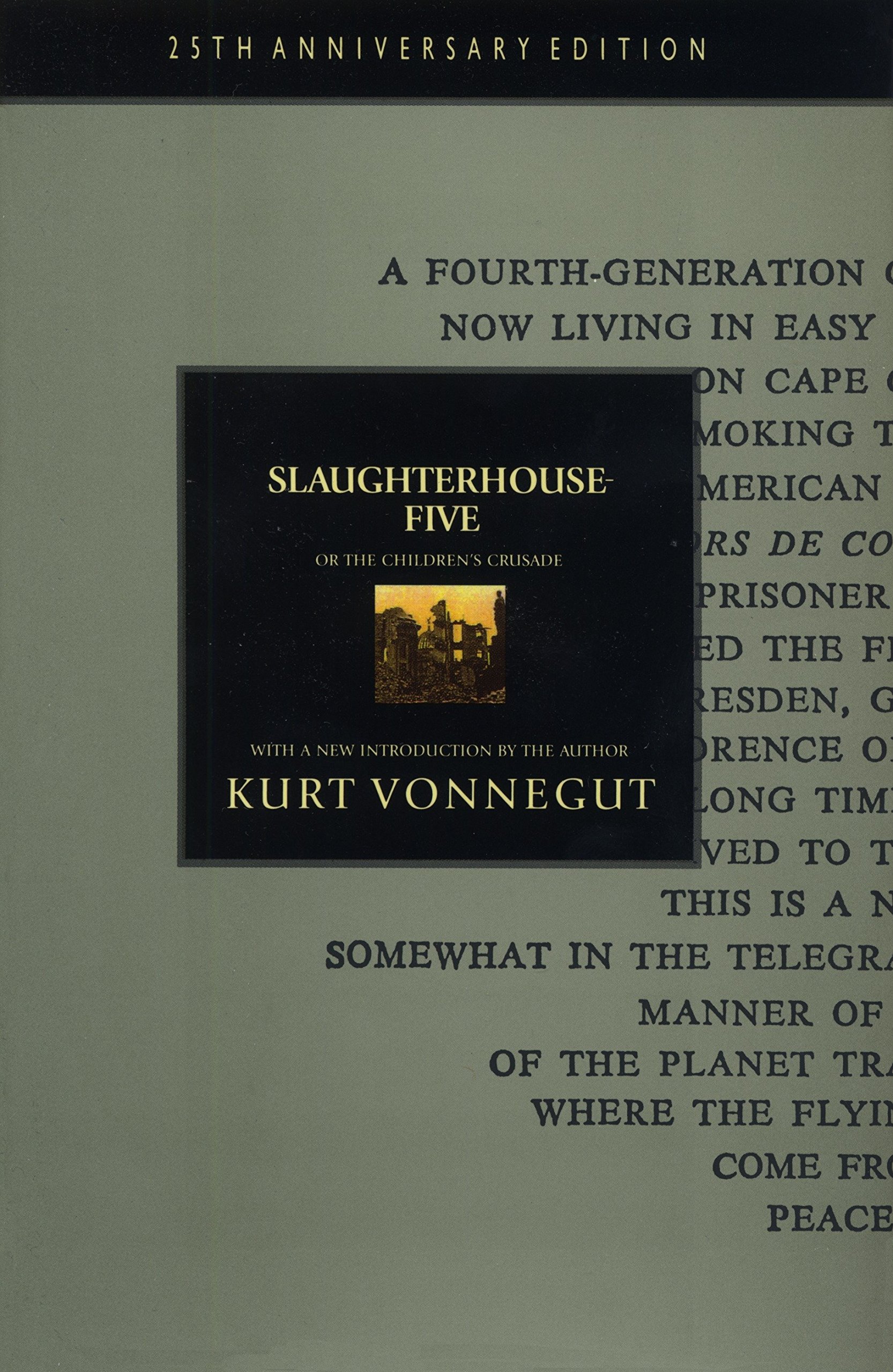
– Slaughterhouse-Five (1969) by Kurt Vonnegut Jr. To be fair, the elements that I found weird were the introduction of time travel and encounters with aliens. At the onset, it sounds weird, but, at the same time, interesting. It made sense as the story moved forward. - Year of the snake
– The World Goes On (2013) by László Krasznahorkai.


Here’s how I fared with the bingo.
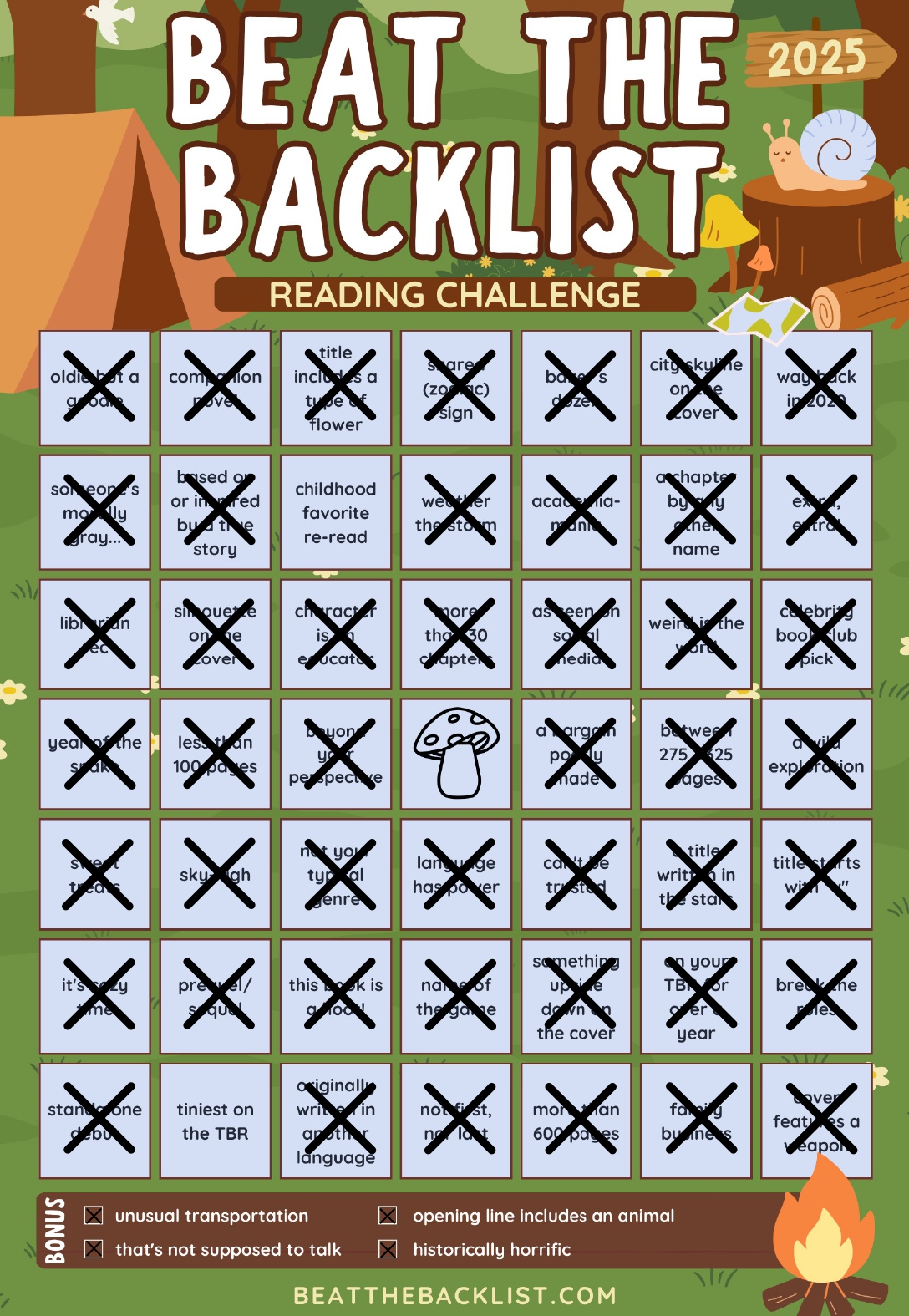
I hope to be able to block out all the boxes in 2026.
 The Pine-Scented Chronicles