
Happy Tuesday everyone! As it is Tuesday, it is time for a Top Ten Tuesday update. Top Ten Tuesday is an original blog meme created by The Broke and the Bookish and is currently hosted by That Artsy Reader Girl.
This week’s given topic: Top Ten Books for Armchair Travelers


Title: 10 Minutes 38 Seconds in This Strange World
Author: Elif Shafak
Setting: Istanbul, Turkey
Snippet from my review:
Covering a lot of ground, Shafak explored a plethora of themes and subjects. Equally impressive is the mantle upon which these rich details were drawn. In the background, Shafak painted a stellar picture of Istanbul beyond the famed minarets of Hagia Sophia. She walked her readers to its tawdry corners, to its dimly lit streets, to the corners ordinary visitors would remain largely ignorant of. It is a manic old city. It is a city that belonged to the dead. It is a liquid city. It is a city of contrasts. And all of these elements came alive under Shafak’s brilliant stroke.

Title: The Shadow of the Wind
Author: Carlos Ruiz Zafón
Setting: Barcelona, Spain
Snippet from my review:
Ruiz Zafón, with acuity, used his native city as a major protagonist. His writing made Barcelona come alive before the readers’ very eyes. A breathing and interesting character, distinct from the primary characters, was drawn. With every turn of the page, an image of Barcelona unfolds; its nooks and crannies, its Spanish houses, its dark alleys, its backstreets all vividly come alive. Ruiz Zafón’s Barcelona went beyond the aesthetic. The Gothic atmosphere is a stark dichotomy from the typical sunny Barcelona advertised in tourism posters. He eloquently captured the soul and the spirit of the city with his astute storytelling.
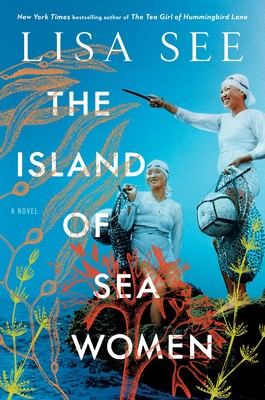
Title: The Island of Sea Women
Author: Lisa See
Setting: Jeju, South Korea
Snippet from my review:
The exploration of the story of haenyeos and Jeju’s traditions is one of the novel’s loftiest accomplishments. The narrative’s overall complexion was further enhanced by the finely layered details of Jeju’s history, particularly from the 1930s to the 1950s, a period that is marked by bloodshed, the fight for freedom, and the struggles against foreign occupants. The tumultuous history made up for a wonderful backdrop to Young-sook and Mi-ja’s story. Lisa See did a commendable job of conjuring a story within another story, keeping the readers reeled in.

Title: The Old Capital
Author: Yasunari Kawabata
Setting: Kyoto, Japan
Snippet from my review:
The highest achievements of The Old Capital, however, lie not in the characters or the story’s thin plot. Kawabata seduces his readers with his sensory writing. With his vivid and descriptive writing, the old capital, Kyoto, started gaining its own character; it was distinct and equally important. Kawabata walks the readers across the city, making them visit temples, walk the city’s various districts, and celebrate and experience traditional seasonal festivals that riddle the Japanese calendar – the novel spans a year – such as the bamboo cutting ceremony at Kurama Temple, the Daimonji fire-lighting festival, the Festival of the Ages.. These are integral elements of Japanese living and tradition. The novel is a cultural treat as it is a window that provides an intimate peek into Japanese society and culture.

Title: The South
Author: Tash Aw
Setting: Malaysian countryside
Snippet from my review:
Aw’s storytelling is rich, deliberate, and immersive. His prose appeals to all the senses, breathing life into the South while vividly capturing the growing intimacy between Jay and Chuan. Sounds of the countryside tickle the auditory sense while Chuan’s cologne seduces the olfactory senses. The feel of the humid heat irritates the skin. All over, lush imagery complemented the tender, some introspective scenes between the characters. Still, the narrative is not without imbalance. While Jay, Sui Ching, and Fong are fully fleshed out, others—like Jack—feel more like archetypes. But this appears intentional. The South is the first installment of a planned quartet, and these open-ended threads promise deeper exploration ahead.

Title: Palace Walk
Author: Naguib Mahfouz
Setting: Cairo, Egypt
Snippet from my review:
For sure, the influences of Arabic literature transcend time, language, and borders. This long tradition of producing high-caliber writers and literary works continues to reverberate in the contemporary. Among those who kept the flames of Arabic literature shining in the contemporary era are Saud Alsanousi, Alaa Al Aswany, Khaled Khalifa, and Nawal El Saadawi. Another prominent and influential name in the sacrosanct halls of Arabic literature is Egyptian writer Naguib Mahfouz. He had a long and prolific career that spanned seven decades, which started with a slew of short stories. From short stories, he would pivot his focus toward full prose, but his oeuvre spanned a vast array of genres, including screenplays, novels, and plays. His evocative literary portraits of Cairo and Egypt, their diverse people, colorful culture, and history would earn Mahfouz the distinction of being the first Arabic writer to be awarded the prestigious Nobel Prize in Literature in 1988.

Title: The Secret of Secrets
Author: Dan Brown
Setting: Prague, Czechia
Snippet from my review:
The novel draws connections between historical puzzles and modern encryption. Prague then emerges as a character in its own right, one that plays an integral role in the story. Rich in history, symbolism, and mystery, the city provides the perfect backdrop. Beneath this quaint city is the Threshold, a subterranean facility built in the ruins of a Soviet-era bomb shelter. It is operated by a secret group called In-Q-Tel. When Langdon and Solomon unlock its secret entrance, the story inevitably transforms from a mainly historical inquiry to a techno-thriller. In Threshold, Langdon and Solomon uncovered a sinister secret that shocked both of them. It was a secret that could redefine humanity’s understanding of life, death, and consciousness. It is a facility that is detached from morality.
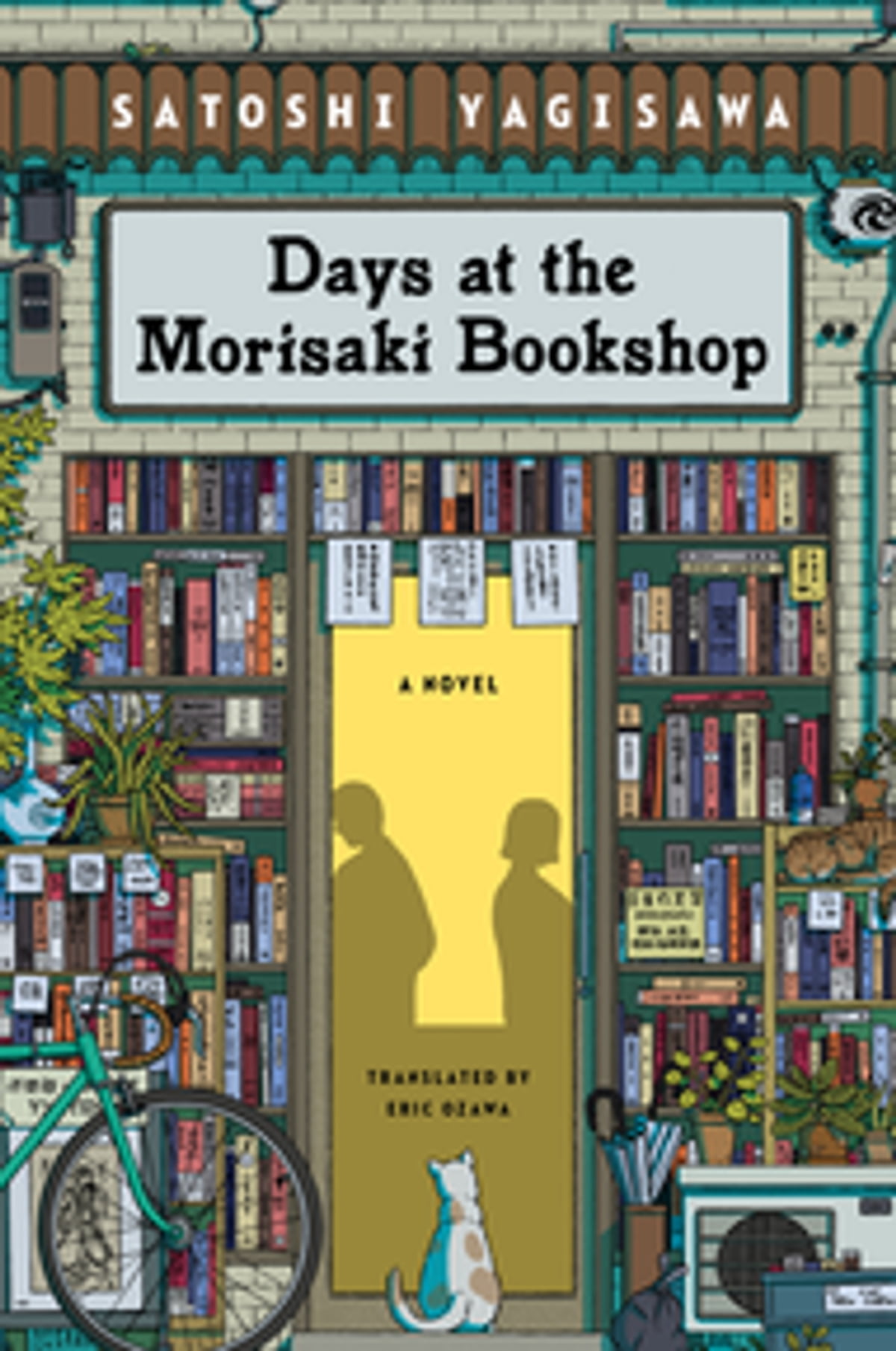
Title: Days at the Morisaki Bookshop
Author: Satoshi Yagisawa
Setting: Jimbōchō, Tokyo, Japan
Snippet from my review:
In a city that is teeming with activities that cater to different taste buds, bibliophiles also have a place in Tokyo. Nestled in Chiyoda ward – almost at the heart of Tokyo – is Jimbōchō (or Jinbōchō) district. Jimbōchō Book Town has established itself as Tokyo’s primary oasis for bibliophiles and intellects alike. It is a major hub for the used books trade – there are over one hundred used bookstores in the area – and publishing houses, on top of being a popular antique and curio shopping area. The bookstores offer books covering a vast range of subjects and genres, such as classic literature, philosophy, art, pop culture, science, and foreign and rare antiquarian books. This quaint district formed the backdrop for Japanese writer Satoshi Yagisawa’s debut novel Days at the Morisaki Bookshop. It was a runaway success in Japan and was even adapted to the silver screen.

Title: Brooklyn
Author: Colm Tóibín
Setting: New York City, United States of America
Snippet from my review:
For all its wonderful elements, the book drew strength in how Tóibín captured Brooklyn in the 1950s. It was a melting pot that was teeming with different cultures. It was where several immigrants such as Irish and Italians settled; the immigrant experience was vividly captured in the novel as well. Tóibín was also able to capture the changes taking place in 1950s American society, such as the urbanization of Long Island and the arrival of television. Brooklyn was an atmospheric novel that Tóibín was able to adroitly weave together with the quality of his writing. He brought the beauty out of the mundane and made the readers part of Eilis’ and the characters’ individual victories.
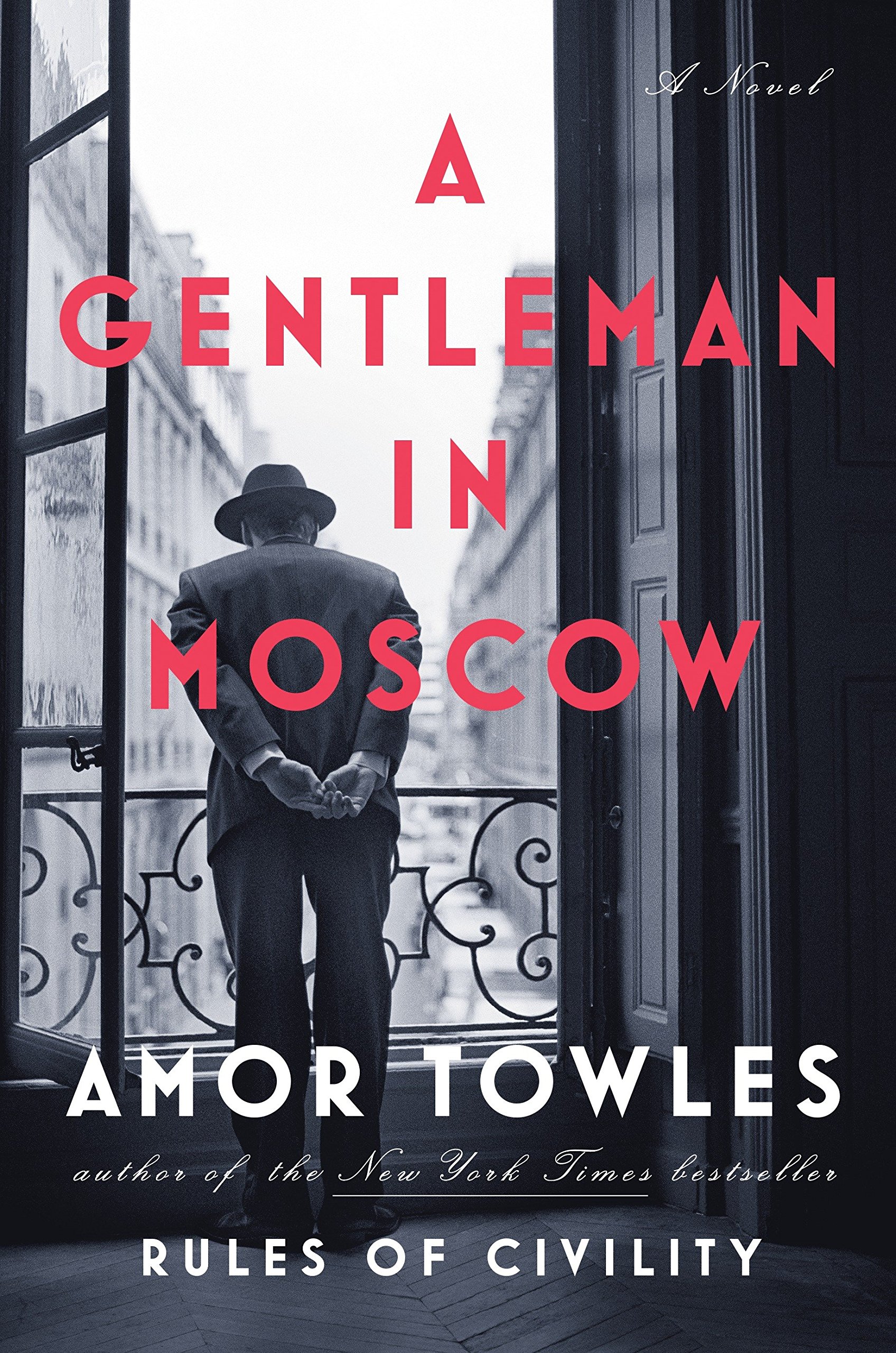
Title: A Gentleman in Moscow
Author: Amor Towles
Setting: Moscow, Russia
Snippet from my review:
The second half of the story, detailing the growing fondness between the Count and Sofia, was heartwarming and poignant. It reminded the readers of the beauty of the relationships we build with those around us, whether small or big. It showed that love transcends boundaries, including those of blood. This masterful orchestra was ably conducted by Towles. A skillful and riveting storyteller, he stirred the story’s various elements into a harmonious and cohesive whole. With the prowess of his storytelling, equally brilliant and entertaining, he managed to capture the beauty of the quotidian. His description gift made the setting come alive. The world inside Hotel Metropol slowly turned into a microcosm of a city, complete with amenities such as restaurants, a barbershop, and even a clothing store. While the focus was on the Count and Sofia, the story still gave enough space to capture the dynamics of the Hotel and its residents.
 The Pine-Scented Chronicles