
Happy Wednesday, everyone! Woah! Just like that, we are nearly midway through the third month of the year. How time flies! I hope the first two months of the year have been kind and great to everyone. I know life isn’t a walk in the park, but it is my fervent prayer that everyone’s year is going well. Regardless, I hope the rest of the workweek goes smoothly.
That said, the middle of the week also brings a fresh WWW Wednesday update. WWW Wednesday is a bookish meme hosted originally by SAM@TAKING ON A WORLD OF WORDS.
The mechanics for WWW Wednesday are quite simple: you just have to answer three questions:
- What are you currently reading?
- What have you finished reading?
- What will you read next?

What are you currently reading?

It’s already the middle of the week, which means we have only two more days until the weekend. I hope everyone makes it through the workweek. Reading-wise, my 2026 reading journey is going as planned. After spending the first two months of the year reading works by Latin American and Caribbean writers, I decided to cross the Atlantic Ocean and spend my March reading month in Europe. I must say, my venture into Latin American and Caribbean literature, while short-lived, is quite memorable. It has introduced me to new names while allowing me to revisit familiar literary territories. I suppose the long wait was worthwhile; the last time I dedicated a month to Latin American literature was back in late 2023. I was not originally planning to read works by European writers, but then I also had no plans for March yet. Realizing that I had listed several works by European writers in my reading challenges, I resolved to focus on European literature.
This brings me to my second book of the month. Who has not heard of Jane Austen? She is literally one of the many representatives of British literature. Her works are ubiquitous and easily considered classics. Nearly two decades after I read my first Austen novel, Pride and Prejudice, I am about to complete the Austen set with Persuasion, her sixth book; I have yet to secure a copy of Lady Susan. Because it is one of the classics, I listed the book in my 2026 Top 26 Reading List. Apparently, Persuasion was Austen’s last completed novel, although it was published posthumously along with Northanger Abbey. At the heart of Persuasion is twenty-seven-year-old Anne Elliot. Her family moved to Bath (which kind of reminds me of Northanger Abbey) to lower their living expenses. It was also to reduce their debt by renting their estate to an admiral and his wife.
Interestingly, the admiral’s wife’s brother, Captain Frederick Wentworth, was once engaged to Anne. However, Anne broke the engagement after she was “persuaded” by her friends and family to end the relationship. I guess this is where the book derives its title. Somehow, the “persuasion” is also the story’s crux, because a couple of years later, Anne and Captain Wentworth’s individual paths cross once again. This is already familiar Austen territory, at least where romance is concerned. I am looking forward to how she spins the story, so to speak. It will be interesting to see how the two main characters rebuild—if they do—their relationship. I just started reading the book, but I am already looking forward to how it will conclude, because it can only end in one of two ways.
What have you finished reading?

Commencing my March literary journey is a literary titan, so to speak. It was during a random foray into a local bookstore that I first came across Polish writer Władysław Stanisław Reymont (born Rejment) and his novel The Peasants. My interest was immediately piqued by the book’s heft. At nearly 900 pages long (more if the notes and glossary are included), hefty is an understatement. You see, I have always had a preference for reading longer books. I secured a copy of the book even before learning that Reymont was awarded the Nobel Prize in Literature by the Swedish Academy in 1924. The Swedish Academy’s main motivation for choosing Reymont, interestingly, was his epic novel The Peasants. This made it imperative for me to secure a copy of the book, and I even made it part of my 2026 Top 26 Reading List. Admittedly, my foray into Polish literature is rather limited. His fellow Nobel laureate, the 2018 awardee Olga Tokarczuk, is one of the few Polish writers whose oeuvre I have explored so far.
Originally published in four parts between 1904 and 1909, The Peasants is widely recognized as Reymont’s greatest literary achievement. The four parts were later collectively published as Chłopi in 1909. The first parts of the story were published in the weekly magazine Tygodnik Ilustrowany. The four volumes comprising the novel are titled after the different seasons, with the story commencing in autumn (Jesień, 1904). Reymont transports readers to the Polish countryside, to the village of Lipce in central Poland. It was the nineteenth century, and as the leaves of the trees burst into color before falling to the ground, we are introduced to an eclectic cast of characters, with the novel’s literary lens focusing on one family: the Boryna family. In a village overrun with destitution, Maciej, the patriarch, was able to create a fortune, making him one of the richest and most respected farmers in the village. He has been widowed twice and has grown children. However, this did not hinder him from pursuing a third marriage. He chose to marry nineteen-year-old Jagusia (Jagna), who had earned a reputation for her physical beauty. However, Jagusia is no virginal or pure young woman. Maciej was unaware of her questionable reputation. She was renowned in the village for having affairs with various men. For her part, Jagna agreed to marry Maciej largely because of her calculating mother, who advocated for the marriage. Beyond her ill reputation, Jagna is actually a passionate woman who is indifferent to Maciej’s affluence. His vast tracts of land barely impress her. Their marriage, however, visibly upsets Maciej’s son, Antek, who opposes it. Interestingly, Antek has his own designs on Jagna, even though he is already married to Hanka. Antek opposes the marriage not only because he is jealous of his father, but also because he fears that his inheritance will slip away. After their marriage, Maciej gifts his new wife generous portions of his best lands, to the detriment of his four children.
To say the story is uneventful would be a disservice to Reymont. As is often the case in the countryside, the Boryna family’s story is riddled with intrigue. The marriage ceremony is even disrupted by a series of hilarious moments. Before we know it, winter (Zima, 1904) swiftly settles in. With the cold breeze come wolves that lurk near the peasants’ stock barns. It is also during the winter season that Antek hears rumors surrounding his stepmother. Gradually, Antek and Jagna grow closer, even after the announcement of Jagna’s pregnancy. This sows even more intrigue, but as we know, no secret remains unrevealed forever. When Maciej learns of his wife and son’s infidelity, he sends his wife away, only to take her back and treat her like a servant. When spring (Wiosna, 1906) arrives, Antek and some of his fellow villagers are imprisoned after a fight in the forest; this fight, however, repairs the relationship between Antek and his father. Meanwhile, Hanka proves herself capable of handling the family farm in the absence of the men.
As the title suggests, poverty is a central theme. Reymont’s vivid depiction of collective peasantry is one of the novel’s strongest facets. He subtly highlights the struggles of the characters and the villagers, who are in a constant bind. They always need support and resources. The changes in seasons highlight the vulnerable relationship between humans and nature. This further emphasizes their dependence on what the land can provide, such as wood during the dead of winter. Still, despite their differences and struggles, the community comes together as one. Traditions also play an important role in the peasants’ lives. On a more personal level, the novel underscores immorality and infidelity, as is often common in stories set in the countryside. However, for some characters, like Hanka, these moments of weakness transform into sources of strength, as she embodies a resilient spirit. It is safe to say that The Peasants is an enthralling, albeit complex, read about the colorful life in the countryside and the inherent weaknesses of the human spirit.
What will you read next?
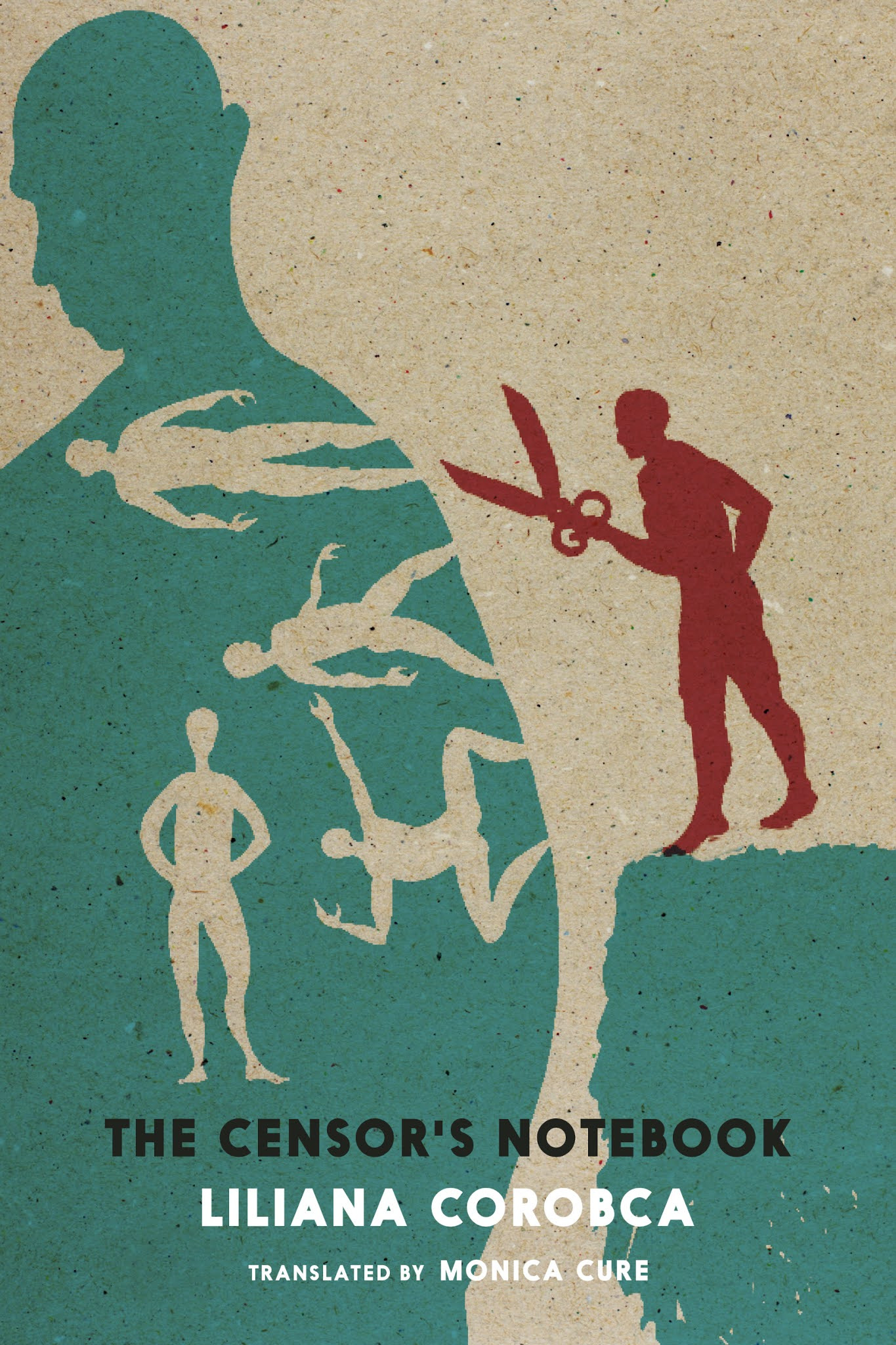
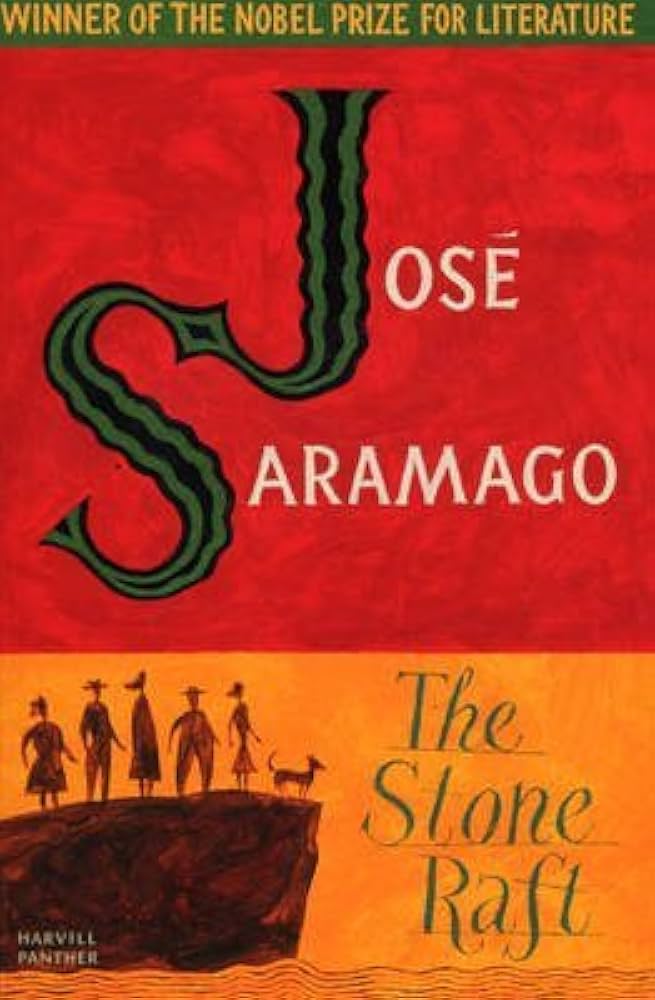

 The Pine-Scented Chronicles