Happy Tuesday everyone! As it is Tuesday, it is time for a Top Ten Tuesday update. Top Ten Tuesday is an original blog meme created by The Broke and the Bookish and is currently hosted by That Artsy Reader Girl.
This week’s given topic: Genre Freebie
Since I have previously done a magical realism list, I have chosen to feature historical fiction for this Top Ten Tuesday update. This is going to be a tough one because it is one of the literary genres that I have extensively explored. Some of my best all-time reads are also from this genre. Nevertheless, here are some of my favorite works of historical fiction.


Midnight’s Children by Salman Rushdie
Midnight Children’s complexity is what makes it a worthwhile read. As one digs deeper, the initial intimidation one feels melts because one gets engrossed with the events that gripped India. The book’s rigorous depiction of the infancy of India, including its partition, is one of the numerous achievements of the book. Rushdie is relentless in his indoctrination of his readers with a very important phase of Indian history. Indeed, his mastery of literature and writing is on full display in the book.

The House of the Spirits by Isabel Allende
The House of the Spirits is more than just the story of the Trueba family. It delved into more important facets that were subtly obscured for most of the narrative. In a triumph of creative writing, Allende combined a political atmosphere into the narrative. Midway through the story, the narrative begins shifting as different political ideologies are incorporated into the story. This introduction to a different subject stirred the story in a different direction. One can easily glean the subtle references to Chilean history, from democracy to socialism to military junta and eventually to absolute dictatorship.
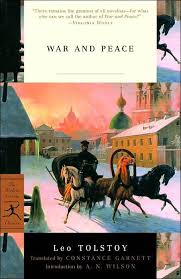
War and Peace by Leo Tolstoy
Leo Tolstoy’s War and Peace was more than just a novel; it is a vast and detailed chronicle of the Napoleonic War which occurred about six decades before the author’s time. It is a fascinating masterpiece about human behavior, war, and philosophy. Its vivid portrayals, including the battle scenes, are just breathtaking. You simply have to hand it to Tolstoy for his extensive research. Its biggest accomplishment, more than its depiction of the war, was its representation of the indomitable Russian spirit.

A Suitable Boy by Vikram Seth
In its meandering and unconventionality, the epic novel diverged from being a predictable romance story to a complex and intricate novel that explored fundamental themes and subjects in modern India, from its politics, culture, and people. The delineations, most of the time thorny, between these various components of modern India were evocatively captured by Seth in his lush tapestry. The novel’s wonderful elements were complemented by a diverse, eclectic, and Dickensian set of characters. A Suitable Boy is, without a doubt a remarkable and rich masterpiece that a single superlative cannot fully encapsulate. It is a literary classic deserving of the accolades it has earned.

Gone With the Wind by Margaret Mitchell
Mitchell used various elements that she had in hand – a colorful background that is filled with interesting history and stories, and a wealth of experience from living surrounded by this background. The different elements were finely and powerfully translated into a colossal work of fiction. Gone With the Wind is the height of great American literature. It had nearly everything perfect. Its status as one of literature’s greatest works is nothing but a foregone conclusion.

Homegoing by Yaa Gyasi
A work of historical fiction, Homegoing, underlined the shortcomings of history. In perfectly engineered conversations, she subtly underscored how history was written by the people who held power. A lot of history remains murky because it was told through the perspective of the victors. Its credibility is in question. Relating to, and understanding, the experiences of people who had gone before us is also a challenge as we must rely on stories written by others.

The Grapes of Wrath by John Steinbeck
The Grapes of Wrath is a timeless classic that still reverberates in the present. It further underlines Steinbeck’s legacy. It was a realistic depiction of the Great Depression but also an in-depth study of the human condition, of how small acts of compassion and kindness go a long way. Published in 1939, it is a seminal work that transcends time, still relevant in the contemporary. Parts family saga, parts historical narrative, parts social commentary, The Grapes of Wrath is an impressionable literary piece. It is a lush and moving narrative that emphasizes human endeavor above all.
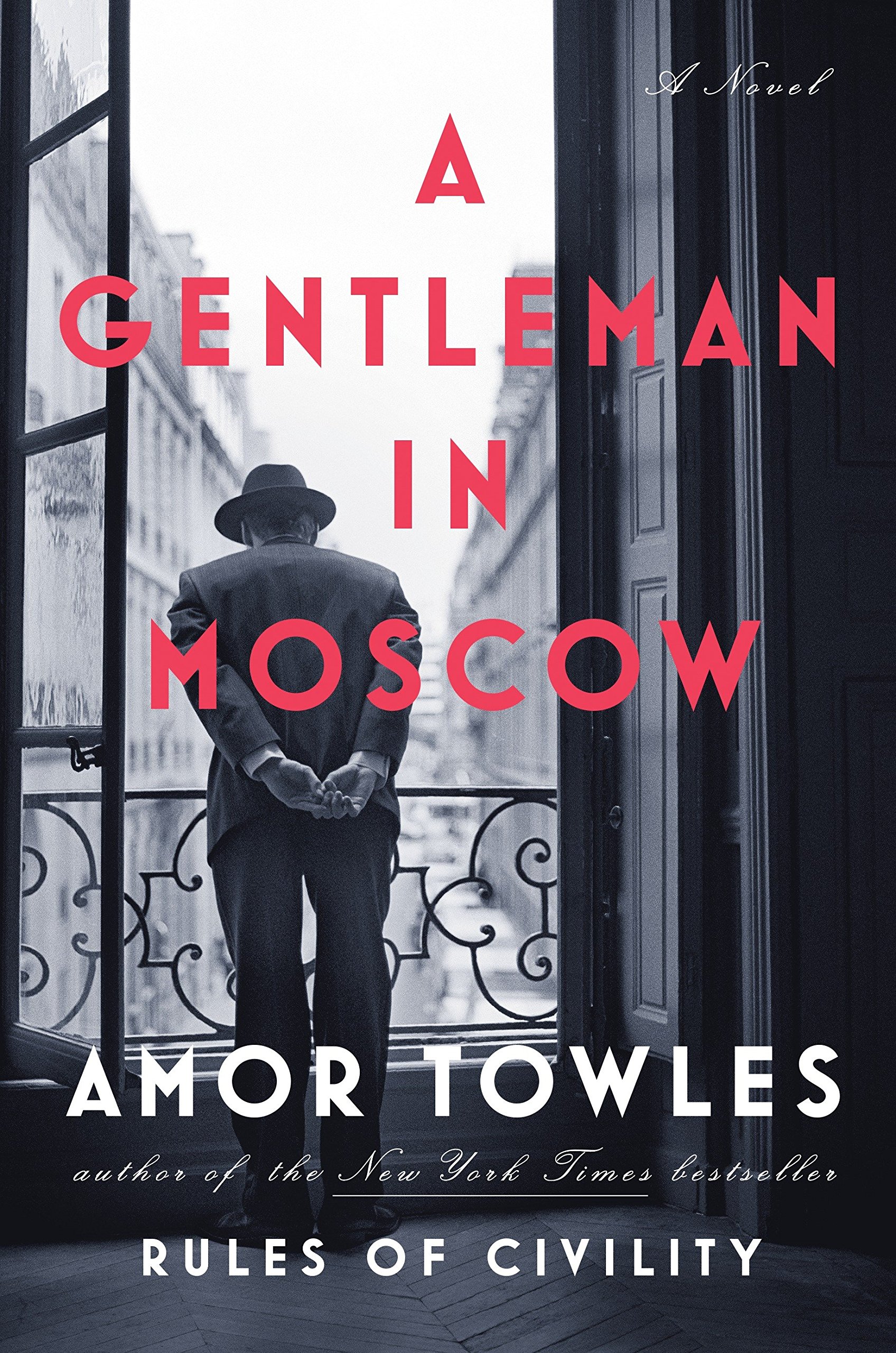
A Gentleman in Moscow by Amor Towles
To think that the idea for the novel sprouted with Towles’ observations of luxurious European hotels and their permanent residents. His astute observations were channeled to Count Rostov, a memorable character on his own. A Gentleman in Moscow is an exemplary piece of literature. At its heart, a work of historical fiction, it transported the readers to a tumultuous phase of Russian history. The readers were regaled of with Towles’ bold strokes as he aptly captured the atmosphere of the time.

The Name of the Rose by Umberto Eco
However, in spite of the unexpected ending, the book itself was a marvel. The themes it covered, from medieval studies to biblical analysis to literary theory, are extensive. It possessed a perfect mix of mystery and literary elements. I have read a lot of mystery novels and I easily got bored reading them because they seem to follow one pattern. Books like The Name of the Rose, with their apparent lack of patterns, challenge the inner reader in me.

Pachinko by Min Jin Lee
To say Pachinko is a complex novel is an understatement. It is an ambitious undertaking in which Min Jin Lee strived to cover as much ground as possible. Parts historical, parts political, and parts fictional, Min Jin Lee capably sewed these varying themes into one complex yet interesting tableau, as interesting as the history that Min Jin Lee tried to relate in her story. Moreover, the historical portion provided insights into the dynamics of Japanese-Korean relations.


What a great list of historical novels. The one here that I’ve read most recently is A Gentleman in Moscow which I loved. I’m definitely intrigued by the prospect of it becoming a film in the near future. Some parts I can see working really well as Towles described in almost cinematic terms but other parts I can’t see translating to the screen at all.
LikeLike