
Happy Wednesday everyone! Wednesdays mean WWW Wednesday updates. WWW Wednesday is a bookish meme hosted originally by SAM@TAKING ON A WORLD OF WORDS. The mechanics for WWW Wednesday are quite simple, you just have to answer three questions:
- What are you currently reading?
- What have you finished reading?
- What will you read next?

What are you currently reading?
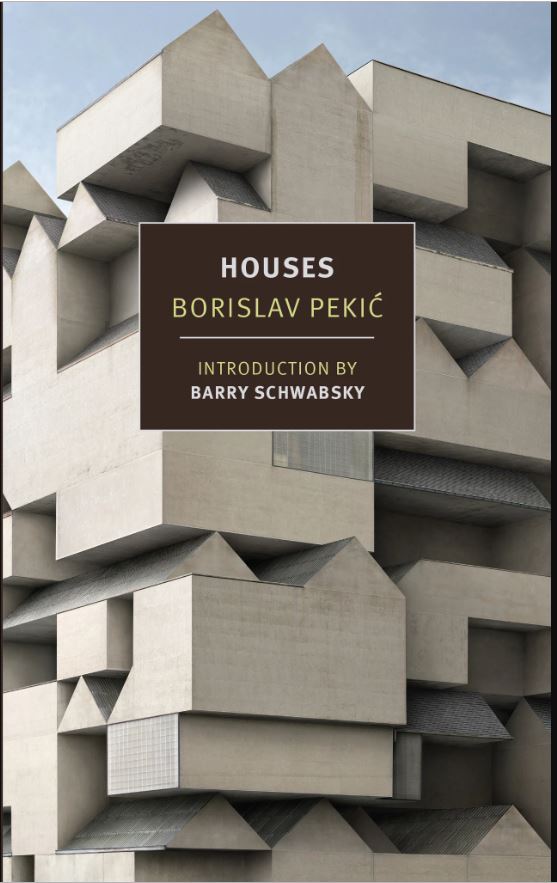
Just like that, we are nearly midway through the sixth month of the year. Time is flying fast. Just as May was slow, June is going quite fast. If only time would slow down because there are many things I still want to accomplish this year. Nevertheless, I still have seven months to achieve my goals this year. I hope that the rest of the year will be filled with good news and blessings. Reading-wise, I hope I get to achieve more this year; the previous two years have been record-breaking. My foray into works of European literature continues this June. I already started this journey last May when I read the works of Nobel Laureates in Literature. For now, I am pivoting to the works of other European writers. Earlier today, I started reading Borislav Pekić’s Houses.
It was through online booksellers that I first came across the Serbian writer. What drew me in, honestly, was the fact that it was published by the New York Review Books. I did not hesitate to purchase the book but, unfortunately, it was left to gather dust on my bookshelf. It is for this reason that I included the book in my 2024 Beat the Backlist Challenge. Houses is the story of Arsénie Negovan, a visionary who dedicated the first half of his life to building houses. He believes that the houses – which he gave women’s names – gave the landscape of Belgrade a modern flare. I just started reading the book so my impressions of it are not yet fully formed. Since it is a slender book, I expect to finish it by tomorrow. Nevertheless, I am looking forward to what the book has in store
What have you finished reading?

I did not expect that I would love Russian literature. But I did and it is thanks to writers such as Leo Tolstoy, Mikhail Bulgakov, and, of course, Fyodor Dostoevsky. Interestingly, it was through must-read lists that I first came across these literary greats. In 2017, I read my first novel by Dostoevsky, Brothers Karamazov. It was a complex and thick book, to say the least. Nevertheless, it made me appreciate Russian literature. This opened up more opportunities to read more works of Russian literature. However, it has been nearly six years since I read my last novel by Dostoevsky. This realization made me look forward to reading Devils even though it was just recently that I bought it.
Devils is considered one of the four books that defined Dostoevsky’s literary career. Originally published in serial form from 1871 to 1872, the novel first introduces Stepan Trofimovitch Verhovensky, an intellectual with an illustrious academic career who has found himself in the employ of Varvara Petrovna Stavrogina, an affluent landowner and a widow. Stepan was the tutor of Varvara’s son, Nikolay Vsyevolodovitch Stavrogin. Nikolay was also the novel’s main character. The Russian countryside town where the novel was set was soon rocked by intrigue revolving Nikolay and a group of young women thought to be his lovers. The novel then charted the fortunes of these two families and the other characters orbiting around them. As such, more characters were introduced as the story moved forward. Among the many characters populating the story was Pyotr Stepanovitch Verhvensky, the estranged son of Stepan. Radicalized, Pyotr was plotting a political revolution in the town, particularly by fomenting dissent among the local factory workers and undermining the authority of local opinion leaders. As expected, Devils is an eventful novel. It was also Dostoevsky’s scathing commentary on radicalism and nihilism. While I find it more political than either Brothers Karamazov and Crime and Punishment, I still relished the book because it again showed a different dimension of the Russian master storyteller’s writing.

It was during the leadup to the announcement of the recipient of the 2018/2019 Nobel Prize in Literature that I first came across Hungarian writer Péter Nádas. He was among the names that immediately piqued my interest. Unfortunately, he was not awarded the prestigious literary award but it was enough to convince me to include his works on my reading list. It didn’t take long before I was able to obtain one of his works. Parallel Stories. It was actually the 700th novel I read. I was a little torn on the book, especially at the start because of the graphic images. Four years later, I made A Book of Memories part of my 2024 Top 24 Reading List.
In a way, A Book of Memories echoes several similarities with Parallel Stories. Both stories started in Berlin; since the 1970s, Nádas spent more time in the German capital. A Book of Memories, which Susan Sontag called the “greatest novel written in our time,” uses three narrators to convey the story of a young unnamed Hungarian writer tormented by his past; the book’s title is a palpable reference to this. His earliest memories take the readers to the Stalinist 1950s where he grew up. A contentious part of his story was his thorny relationship with his father; his mother, with whom he didn’t have a good relationship, was also a passive character. As an adult in 1970s Berlin, he was a homosexual conflicted about whether he should confess to the man he loves. The book was true to its title. It was filled with ruminations and introspections as the characters probed into the relationships they had with the people closest to them. There were some streams of consciousness, as expected. But what really captivated me were the descriptions of emotions and places. The details were vivid and even insightful. This made up for a quotable book; I was able to list several quotes involving love, families, and history. Overall, A Book of Memories is a compelling read that makes me look forward to exploring more of Nádas’ oeuvre.
What will you read next?


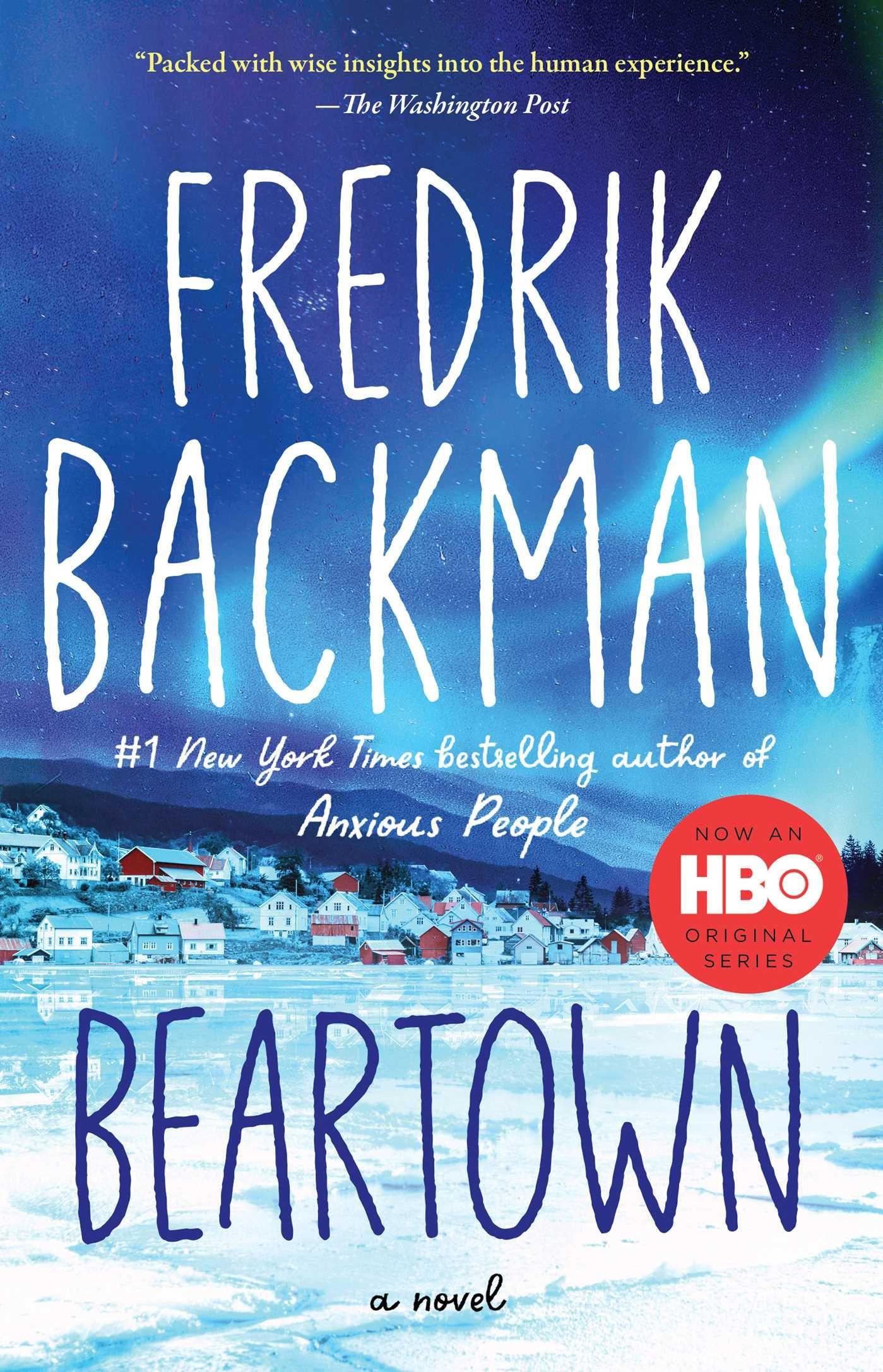
 The Pine-Scented Chronicles
I can recommend ‘Adam Bede’. I’m reading ‘Carmilla’ by Sheridan Le Fanu, just finished a re-read of ‘Daddy Long Legs’ by Jean Webster and I’ll be moving on to ‘The Brothers Karamazov’ by Dostoyevsky.
LikeLike