
Happy Tuesday everyone! As it is Tuesday, it is time for a Top Ten Tuesday update. Top Ten Tuesday is an original blog meme created by The Broke and the Bookish and is currently hosted by That Artsy Reader Girl.
This week’s given topic: Top Ten Debut Novels I Enjoyed


The Name of the Rose by Umberto Eco
Snippet from my review: The story contained numerous allusions to a plethora of religious dogmas and subjects. This was balanced by the mystery part of the book, which had a Sherlock Holmes feel to it. Eco was successful in keeping the reader on tenterhook all throughout the story. The mystery is muddled until the very end of the story. Just like any successful mystery piece, unmasking the murderer was a great challenge.
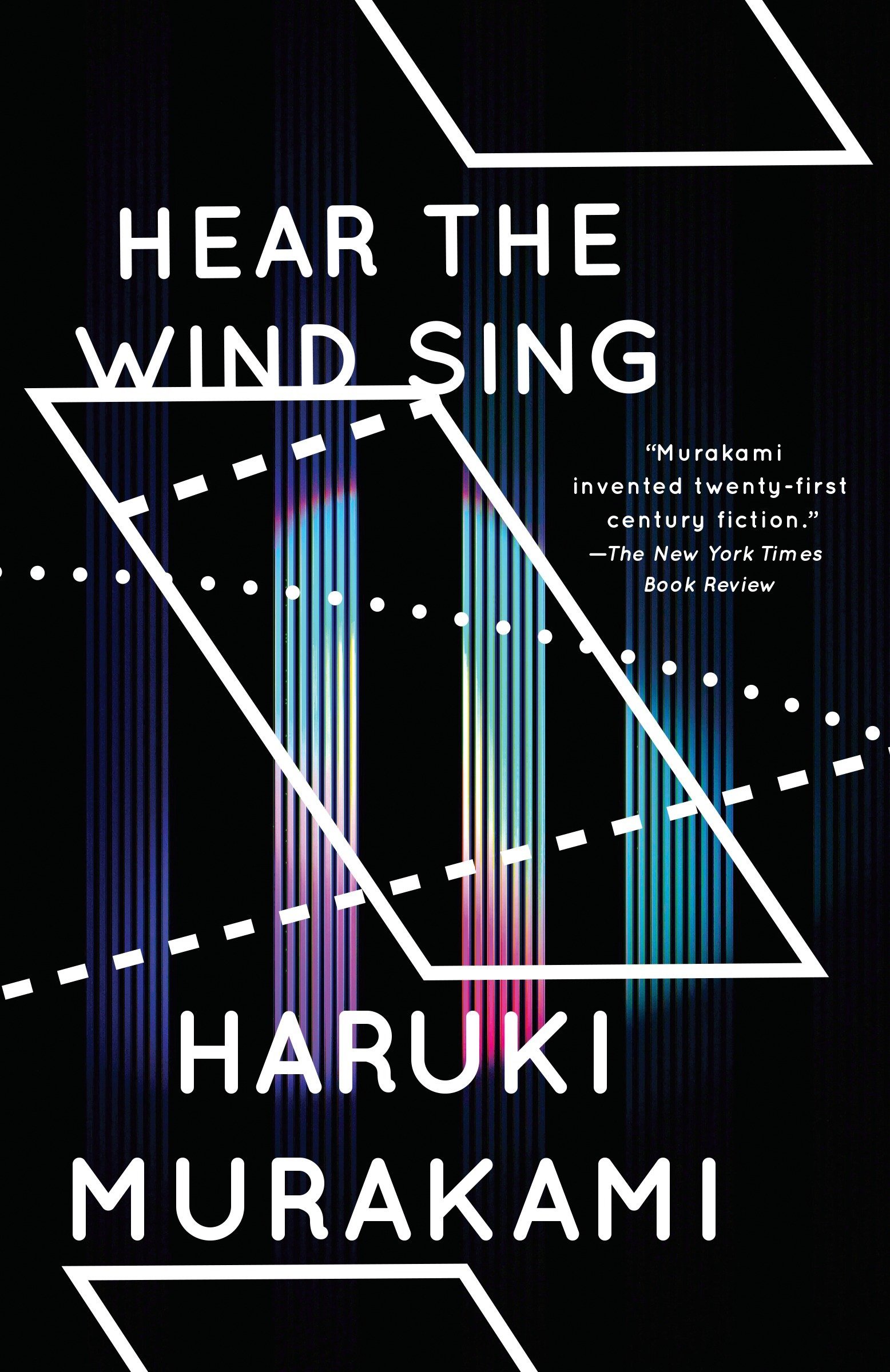
Hear the Wind Sing by Haruki Murakami
Snippet from my review: Cultural touchstones also abounded. Music, from pop to jazz, permeated the atmosphere of the novella. Murakami has always incorporated jazz music into his works; he initially envisioned his first cafe to be a place where people could listen to jazz music. The female protagonist working at a record was another reference to his love of music. Beethoven’s Piano Concerto Number 3, Beach Boys LP with the song California Girls, Glenn Gould, and Backhaus were casually mentioned in a discourse on music while Brook Benton’s Rainy Night in Georgia was described as a great song. With the nature of writing as one of the main subjects, literary works such as Gustave Flaubert’s A Sentimental Education and Leo Tolstoy’s War and Peace were referenced. Hartfield was critical of Tolstoy’s work while his favorite work was Marie Louise de la Ramée’s A Dog of Flanders.

To Kill A Mockingbird by Harper S. Lee
Snippet from my review: Although it had local flavor, To Kill a Mockingbird was packed with themes that appeal universally, especially its take on racism and social injustice. The narrative shone brightly when it depicted how the primary characters come to grips with these dark realities. It is these elements that opened the Finch children’s eyes, essentially making them lose their innocence at such young ages. This is also referenced in the novel’s title alone. One must not kill mockingbirds because they are harmless creatures, only providing pleasure with melodies.

The Catcher in the Rye by J.D. Salinger
Snippet from my review: The novel is an insightful exploration of the psyche. There is a very common reference to Holden’s cold façade, which I found was a deception, an armor. A lot has been said about his brand of teenage rebellion and it obscured the fact that his emotions are still taking shape. In his desperate search for companionship, Holden asks a cab driver to join him for a drink. Holden is lazy but he is also very well-read; he exhibits great insights and intelligence when he discusses the books he has read. He is also very generous with his things and his time – he completed an essay for his friend whom he was upset with.

Gone with the Wind by Margaret Mitchell
Snippet from my review: Amidst the plethora of subjects and varying themes, one centrifugal element stands out throughout the narrative. From the onset, the prevailing theme was survival; even Mitchell herself acknowledged that it was the novel’s heart. She was once quoted saying, “What makes some people come through catastrophes and others, apparently just as able, strong, and brave, go under? It happens in every upheaval. Some people survive; others don’t. What qualities are in those who fight their way through triumphantly that are lacking in those who go under? I only know that survivors used to call that quality ‘gumption.’ So I wrote about people who had gumption and people who didn’t.”

A Pale View of Hills by Kazuo Ishiguro
Snippet from my review: Symbolically, there were three groups of Japanese represented in the story. One group was composed of those who were receptive to these new ideologies such as Sachiko and Shigeo Matsuda. The second group was composed of those who wanted to preserve the old culture and resist the adaptation of modernized ideologies. This group included Etsuko’s father-in-law, Mr. Ogata, and Mrs. Fujiwara. The last group neither agreed nor disagreed with the Westernization of Japan. This group had the task of maintaining peace and harmony amongst their countrymen and countrywomen. I just admired how subtly yet richly these undertones were woven into the tapestry of the story.

The House of the Spirits by Isabel Allende
Snippet from my review: But The House of the Spirits is more than just the story of the Trueba family. It delved into more important facets that were subtly obscured for most of the narrative. In a triumph of creative writing, Allende combined a political atmosphere into the narrative. Midway through the story, the narrative begins shifting as different political ideologies are incorporated into the story. This introduction to a different subject stirred the story in a different direction. One can easily glean the subtle references to Chilean history, from democracy to socialism to military junta and eventually to absolute dictatorship.

The Bluest Eye by Toni Morrison
Snippet from my review: Toni Morrison’s body of work shone all throughout the narrative. She is a skilled storyteller, to say the least, incorporating different literary facets to come up with a compelling read, despite it being just her first. By switching the perspective between Claudia MacTeer at different stages of her life, Morrison steadied the pace and the growth of the narrative. The presence of a third-person omniscient narrator helped enhance the impact of the reading experience.
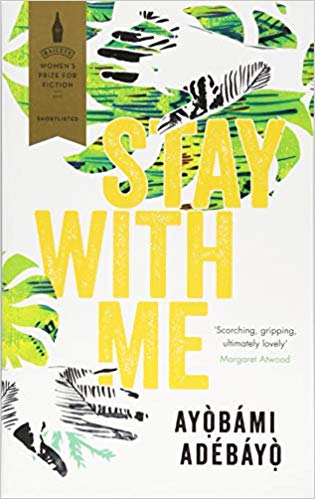
Stay With Me by Ayọ̀bámi Adébáyọ̀
Snippet from my review: Stay With Me is an intersection of modern and traditional Nigeria. Yejide and Akin’s marriage isn’t fixed, like most traditional African weddings are. They are both university-educated and financially capable – Yejide manages her own salon while Akin works for a bank. Their modernity is a stark dichotomy to their parents and extended family’s beliefs which were steeped in tradition, including polygamy and child brides. They obnoxiously shoved their agenda down Yejide and Akin’s throats, wreaking unnecessary havoc on what had been a peaceful union.

A Man Called Ove by Fredrik Backman
Snippet from my review: There was an undertone of an old adage murmuring underneath the surface – that it takes a village to raise a child. Ove and Sonja’s love story was a luminous part of the story. A Man Called Ove is a generally light read but it also has heavier and darker undertones subtly hidden underneath its heartwarming tale. Backman ingeniously incorporated the context of depression and suicide into his prose. It wasn’t overwhelming but it was depicted enough not to escape one’s attention.
 The Pine-Scented Chronicles