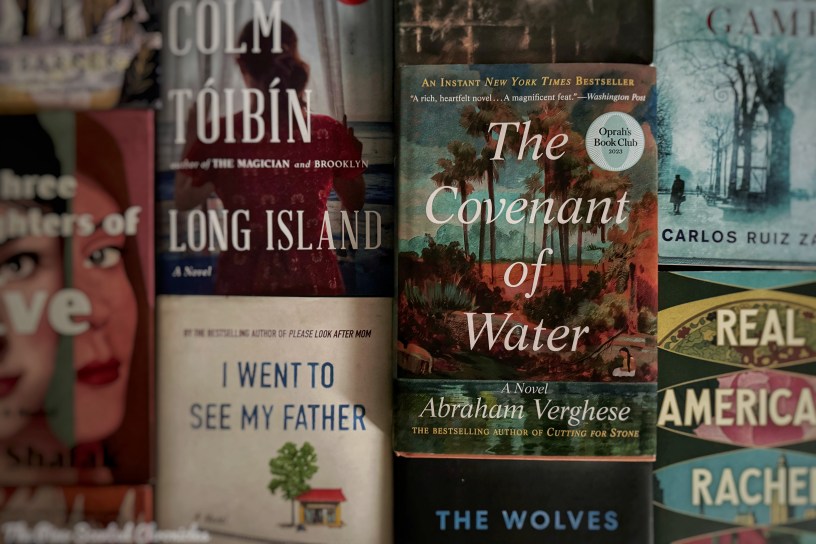
And just like that, 2024 is over. Thank you 2024 for all the memories and the lessons. We’ve successfully completed a 365-day revolution around the sun. As the old adage goes, with every end comes a new beginning. With 2024’s conclusion is the opening of a new door. We are provided with 12 new chapters with 365 blank pages ]upon which to paint new memories. I hope that we will paint these blank canvasses with memories that we will cherish for a lifetime, may it be with the people we love or all by ourselves.
As has been the tradition in the past few years, I will be kicking off the new year by looking back to the previous year, its hits, and of course, its mishits. It is also an opportunity to take a glimpse of how the coming year is going to shape up. This book wrap-up is a part of a mini-series that will feature the following:
- 2024 Top 20 Favorite Books
- 2024 Book Wrap Up
- 2024 Reading Journey by the Numbers
- 2024 Most Memorable Book Quotes (Part I)
- 2024 Most Memorable Book Quotes (Part II)
- 2024 New Favorite Authors
- 2024 Beat the Backlist Challenge Wrap-up
- 2025 Books I Look Forward To List
- 2025 Top 25 Reading List
- 2025 Beat the Backlist Challenge
Over the years, my Top 20 reading list opened several doors of opportunity to explore some of the best works of literature. Often an eclectic mix of literary classics and contemporary books from various genres, these lists have provided me some of the most memorable literary journeys I had in years. They have also kept me occupied for the year; particularly toward the end of the year when I would scramble to complete reading all the books in the said lists. I am filled with hope that my 2025 reading journey will be as stellar as the previous years. Without further ado, here are the 25 books I am looking forward to reading this year.

Title: Foucault’s Pendulum
Author: Umberto Eco
Translator (from Italian): William Weaver
Publisher: Guild Publishing
Publishing Date: 1989 (1988)
No. of Pages: 641
Synopsis: Foucault’s Pendulum is a superb entertainment by the author of The Name of the Rose. An enthralling mystery, a sophisticated thriller, a breathtaking journey through the world of ideas and aberrations, the treasures and traps of knowledge, Umberto Eco’s new novel will delight, tease, provoke, and stimulate.
One Colonel Ardenti, who has unnaturally black brilliantined hair, an Adolphe Menjou mustache, wears maroon socks and fought in the Foreign Legion, starts it all. He tells three editors at a Milan publishing house that he has discovered a coded message about a Templar plan, centuries old and of diabolical complexity, to tap a mystic source of power greater than atomic energy.
The editors (who have spent altogether too much time rewriting crackpot manuscripts on the occult by self-subsidizing poetasters and dilettantes) decide to have a little fun. They’ll make a plan of their own. But how?
Randomly they throw in manuscript pages on hermetic thought. The Masters of the World, who live beneath the earth. The Comte de Saint-Germain, who lives forever. The secrets of the solar system contained in the measurements of the Great Pyramid. The Satanic initiation rites of the Knights of the Temple. Assassins, Rosicrucians, Brazilian voodoo. They feed this all into their computer, which is named Abulafia (Abu for short) after the medieval Jewish cabalist.
A terrific joke, they think – until people begin to disappear mysteriously, one by one, starting with Colonel Ardenti.

Title: Marshland
Author: Otohiko Kaga
Translator (from Japanese): Albert Novick
Publisher: Dalkey Archive Press
Publishing Date: 2024 (1985)
No. of Pages: 831
Synopsis: At forty-nine, Atsuo Yukimori is a humble auto mechanic living an almost penitentially quiet life in Tokyo, where his coworkers know something of his military record but nothing of his postwar past as a petty criminal. Out of curiosity he accompanies his nephew to a demonstration at a nearby university and is gradually drawn into a friendship, then a romance, with Wakako Ikehata, the brilliant but mentally unstable daughter of a university professor. As some of the student radical groups turn to violence and terrorism, Atsuo and Wakako find themselves framed for the lethal bombing of a Tokyo train What follows is a delicate balance of Kafkaesque procedural, revealing the corrupt intricacies of the police and judicial system of Japan, and an exploration of the “marshland” of the title through extraordinarily beautiful pastoral scenes.
The wealth of Kaga’s work in fiction remains to be discovered by the Anglophone world. Marshland is a revelation of modern Japanese history and culture, a major novel (though only the second to be translated into English) from a master well-known in his own country.
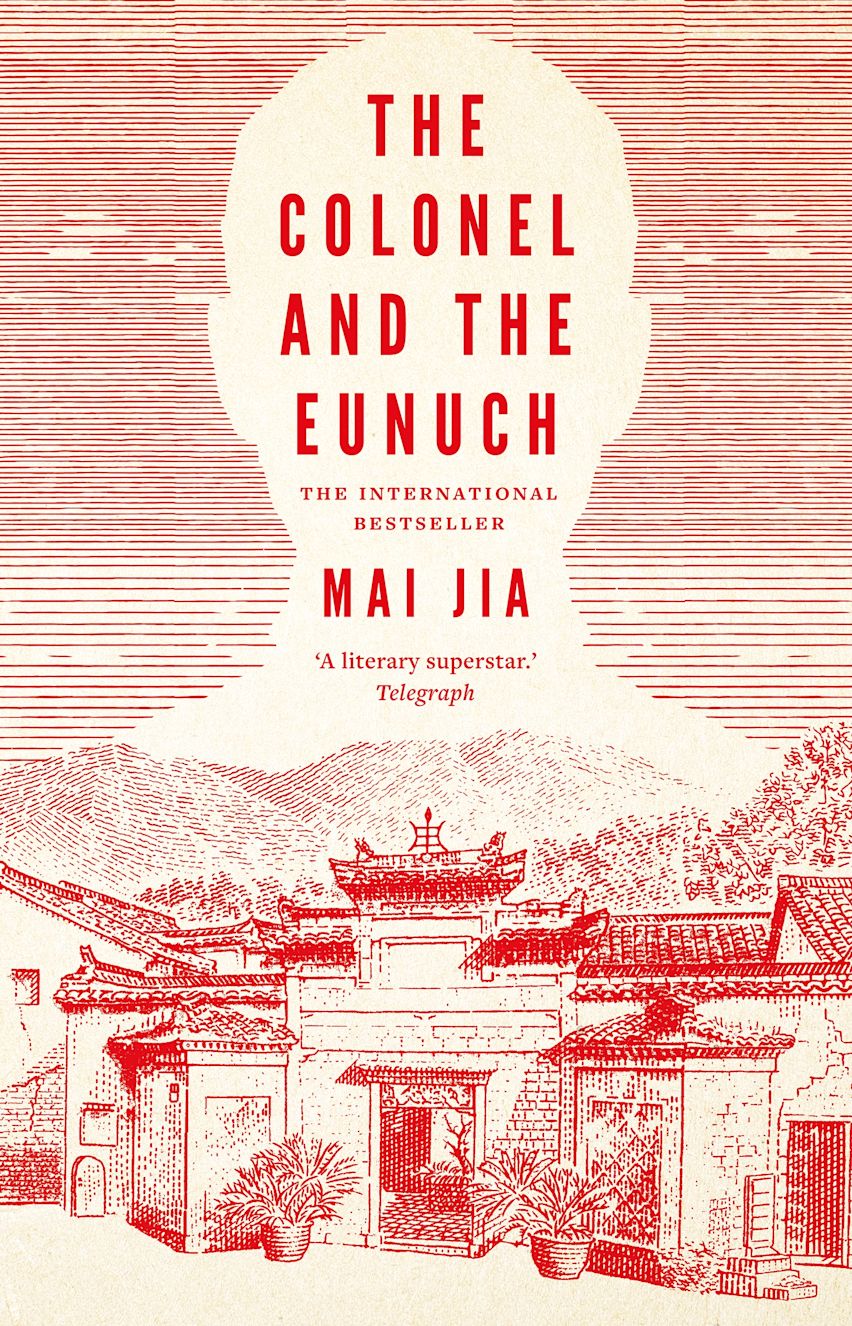
Title: The Colonel and the Eunuch
Author: Mai Jia
Translator (from Chinese): Dylan Levi King
Publisher: Head of Zeus
Publishing Date: 2024 (2019)
No. of Pages: 388
Synopsis: A boy grows up in a small village in south China listening to stories about the Colonel: some say he was a legendary army doctor during the war, some say he was a traitor to the Party, others say he is sex-crazed. The stories are bawdy and mesmerizing, always larger than life. Yet in reality, few know the true man that lies behind the rumours.
From these disparate sources, the boy tries to piece together who the Colonel really is, just as he himself grows up in a rapidly changing Chia. It is not until many years later, when the boy also becomes a middle-aged man, that he is able to look back and finally solve the puzzle.
The Colonel and the Eunuch is Mai Jia’s first new novel in eight years and his most ambitious work to date. Confirming Jia’s status as one of China’s greatest literary writers, the tale is a coming-of-age story, a family saga, and ultimately, a searing exploration of what makes a hero.

Title: My Brilliant Life
Author: Ae-ran Kim
Translator (from Korean): Chi-Young Kim
Publisher: Forge
Publishing Date: 2020
No. of Pages: 203
Synopsis: My Brilliant Life explores family bonds and out-of-the-ordinary friendships, interweaving the past and present of a tight-knit family, finding joy and happiness in even the most difficult times.
Areum vicariously lives life to its fullest through the stories of his parents, conversations with Little Grandpa Jang – his sixty-year-old neighbor and best friend – and the books he reads to visit the places he would otherwise never see.
For several months, Areum has been working on a manuscript, piecing together his parents’ often embellished stories about his family and childhood. He hopes to preset it on his birthday, as a final gift to his mom and dad: their own falling-in-love story.
Through it all, Areum and his family will have you laughing and crying for all the right reasons.
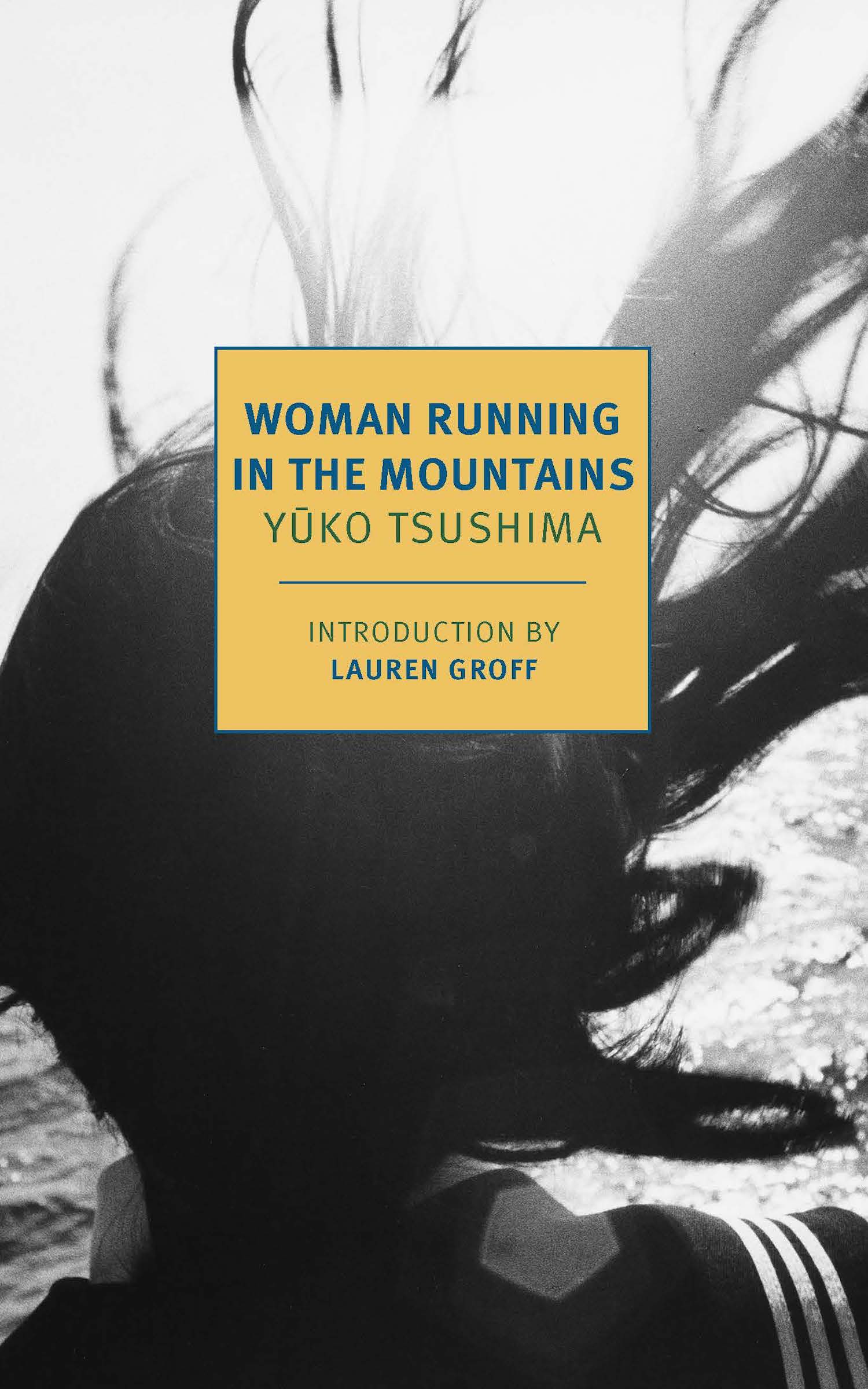
Title: Woman Running in the Mountains
Author: Yūko Tsushima
Translator (from Japanese): Geraldine Harcourt
Publisher: New York Review Books
Publishing Date: 2022 (1980)
No. of Pages: 275
Synopsis: Alone at dawn, in the heat of midsummer, a young woman named Takiko Odaka departs on foot for the hospital to give birth to a baby boy. Her pregnancy, the result of a brief affair with a married man, is a source of sorrow and shame to her abusive parents. For Takiko, however, it is a cause for reverie. Her baby, she imagines, will be hers and hers alone, a challenge that she also hopes will free her. Takiko’s first year as a mother is filled with the intense bodily pleasures and pains that come from caring for a newborn. At first she seeks refuge in the company of other women – in the hospital, in her son’s nursery – but as the baby grows, her life becomes less circumscribed as she explores Tokyo, even ventures beyond the city into the countryside, toward a mountain that captures her imagination and desire for a wilder freedom.
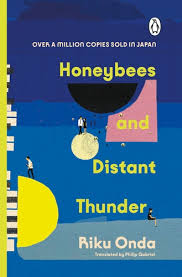
Title: Honeybees and Distant Thunder
Author: Riku Onda
Translator (from Japanese): Philip Gabriel
Publisher: Penguin Books
Publishing Date: 2024 (2016)
No. of Pages: 425
Synopsis: In a small coastal town just a stone’s throw from Tokyo, a prestigious piano competition is underway. Over the course of two feverish weeks, three students will experience some of the most joyous – and painful – moments of their lives. Though they don’t know it yet, each will profoundly and unpredictably change the others, for ever.
Aya was a piano genius, until she fled the stage and vanished; will the tall and talented Makun bring her back? Or will it be child of nature Jin, a pianist without a piano, who carries the sound of his father’s bees wherever he goes? Each will break the rules, amaze their fans and push themselves to the brink. But at what cost?

Title: Mild Vertigo
Author: Mieko Kanai
Translator (from Japanese): Polly Barton
Publisher: Fitzcarraldo Editions
Publishing Date: 2023 (1997)
No. of Pages: 169
Synopsis: Housewife Natsumi leads a small, unremarkable life in a modern Tokyo apartment with her husband and two sons: she does the laundry, goes on tris to the supermarket, visits friends and gossips with neighbours. Tracing her conversations and interactions with her family and friends as they blend seamlessly into her own internally buzzing internal monologue, Mild Vertigo explores the dizzying reality of being unable to locate oneself in the endless stream of minutiae that forms a lonely life confined to a middle-class home, where both everything and nothing happens. With shades of Clarice Lispector, Elena Ferrante and Lucy Ellman, this verbally acrobatic novel by the esteemed novelist, essayist and critic Mieko Kanai – whose work enjoys a cult status in Japan – is a disconcerting and radically imaginative portrait of selfhood in late-stage capitalist society.

Title: My Name is Red
Author: Orhan Pamuk
Translator (from Turkish): Erdağ M. Göknar
Publisher: Faber and Faber
Publishing Date: 2001 (1998)
No. of Pages: 666
Synopsis: In Istanbul, in the late 1590s, the Sultan secretly commissions a great book: a celebration of his life and his empire, to be illuminated by the best artists of the day. But when one of the miniaturists is murdered, their master has to seek outside help. Did the dead painter fall victim to professional rivalry, romantic jealousy or religious terror?
A thrilling murder mystery, My Name is Red is also a stunning meditation on love, artistic devotion and the tensions between East and West.

Title: Blindness
Author: José Saramago
Translator (from Portuguese): Giovanni Pontiero
Publisher: Mariner Books
Publishing Date: 1999 (1995)
No. of Pages: 326
Synopsis: A city is hit by an epidemic of “white blindness” which spares no one. Authorities confine the blind to an empty mental hospital, but there the criminal element holds everyone captive, stealing food rations and assaulting women. There is one eyewitness to this nightmare who guides seven strangers – among them a boy with no mother, a girl with dark glasses, a dog of tears – through the barren streets, and the procession becomes as uncanny as the surroundings are harrowing. A magnificent parable of loss and disorientation and a vivid evocation of the horrors of the twentieth century, Blindness is a powerful portrayal of man’s worst appetites and weaknesses – and man’s ultimately exhilarating spirit.

Title: The Silent Angel
Author: Heinrich Böll
Translator (from German): Breon Mitchell
Publisher: Picador
Publishing Date: August 1995 (1992)
No. of Pages: 182
Synopsis: Rejected by German publishers in 1950, this recently discovered first novel by Nobel Prize winner Heinrich Böll is a treasure for scholars, students, and contemporary readers.
Just days after the end of World War II, German soldier Hans Schnitzler returns to a bombed German city, carrying a dead comrade’s coat to his widow – not knowing that the coat contains a will. Soon Hans is caught in a dangerous intrigue involving the will; he also begins a tentative romance with another grieving woman, as together they seek an identity and a future together in the ruined city.
Raw and masterful, The Silent Angel summons the full horror of war, while affirming the human heart’s enduring strength.

Title: A Heart So White
Author: Javier Marías
Translator (from Spanish): Margaret Jull Costa
Publisher: Vintage International
Publishing Date: 2012 (995)
No. of Pages: 279
Synopsis: Juan knows almost nothing of his father Ranz’s interior life. But when Juan marries, he’s compelled to consider the past anew and to ponder what he doesn’t really want to know. As family secrets – their possible convenience, their ultimate price, and even their possible civility – hover, A Heart So White becomes a sort of anti-detective story of human nature. Intrigue; the sins of the father; the fraudulent and the genuine; marriage and strange repetitions of violence; Marías elegantly sends shafts of inquisitor light into shadows and onto the costs of ambivalence as it chronicles the relentless power of the past.

Title: Amsterdam
Author: Ian McEwan
Publisher: Jonathan Cape
Publishing Date: 1998
No. of Pages: 178
Synopsis: On a chilly February day two old friends meet in the throng outside a crematorium to pay respects to Molly Lane. Both gave Clive Linley and Vernon Halliday had been Molly’s lovers in the days before they reached their current eminence, Clive as Britain’s most successful modern composer, Vernon as editor of the quality broadsheet, The Judge. Gorgeous, feisty Molly had other lovers too, notably Julian Garmony, Foreign Secretary, a notorious right-winger tipped to be the next prime minister.
In the days that follow Molly’s funeral Clive and Vernon will make a pact that will have consequences neither has foreseen. Each will make a disastrous moral decision, their friendship will be tested to its limits and Julian Garmony will be fighting for his political life.
A contemporary morality tale that is as profound as it is witty, this short novel is perhaps the most purely enjoyable fiction Ian McEwan has ever written. And why Amsterdam? What happens there to Clive and Vernon is the most delicious shock in a novel brimming with surprises.

Title: Fontamara
Author: Ignazio Silone
Translator: Eric Mosbacher
Publisher: Everyman
Publishing Date: November 15, 1994
No. of Pages: 160
Synopsis: It is Silone’s first novel and is among his most famous works. It received worldwide acclaim and sold more than a million and a half copies in twenty-seven languages. It was first published in German translation in Zurich, Switzerland in 1933, and was published in English by Penguin Books in September 1934. Fontamara is derived from the Italian ‘Fonte Amara’ (Bitter Stream.) Appearing on the eve of the Spanish Civil War, and published just a few months after Hitler came to power, when the world was beginning to take sides for or against fascism, the novel had a galvanising effect on public opinion. Fontamara ‘became the very symbol of resistance’ and ‘is widely agreed to have played a major role as a document of anti-Fascist propaganda outside Italy in the late 1930s,’ as it criticises the deceitful and immoral nature of the Fascist party and its followers.
Fontamara is a fictional small rural village in Marsica in the Abruzzo region. The people (the Fontamaresi) are poor and the village is very remote to the extent that the citizens are unaware of world events such as the rise of Fascism. There is a tremendous gap between the ‘’cafoni’’ (peasants) who populate ‘’Fontamara’’ and those who live in the city. The Fontamaresi work the Earth to survive, turn to emigration as a means of economic improvement and are ignorant to events happening outside of their town. They are cut off from the rest of Italy and thus unaffected by modernity and new technology. The Impresario is a stark contrast to the Fontamaresi, who have laboured for centuries to little avail, as he quickly became the richest man in the region and embodies the power, authority and immorality of the Fascists. The Fontamaresi are exploited due to their naïvety and ignorance, the women are raped by the squadristi (a group of Fascists), Berardo Viola makes the ultimate sacrifice to allow the continued distribution of clandestine texts to spread the word about socialism and encourage rebellion against Fascism and at the end the majority of the population are killed at the hands of the Government. (Source: Goodreads)

Title: King, Queen, Knave
Author: Vladimir Nabokov
Translator (from Russian): Dmitri Nabokov
Publisher: Vintage International
Publishing Date: February 16, 2011
No. of Pages: 272
Synopsis: This novel is the story of Freyer, a wealthy and boisterous proprietor of a men’s clothing emporium, Ruddy, self-satisfied, and thoroughly masculine, he is perfectly repugnant to his exquisite but cold middle-class wife, Martha. Attracted to his money but repelled by his oblivious passion, she longs for their nephew instead, the thin, awkward, myopic Franz. Newly arrived in Berlin, Franz soon repays his uncle’s condescension in his aunt’s bed.

Title: Panorama
Author: Dušan Šarotar
Translator (from Slovene): Rawley Grau
Publisher: Peter Owen Publishers
Publishing Date: 2016 (2014)
No. of Pages: 206
Synopsis: Deftly blending fiction, history, and journalism, Dušan Šarotar takes the reader on a deeply reflective yet kaleidoscopic journey from northern to southern Europe. In a manner reminiscent of W.G. Sebald, he supplements his engrossing narrative with photographs , which help to blur the lines between fiction and journalism. The writer’s experience of landscape is bound up in a [ersona yet elusive search for self-discovery, as he and a diverse group of international fellow travellers relate in their distinctive and memorable voices their unique stories and common quest for somewhere they might call home.
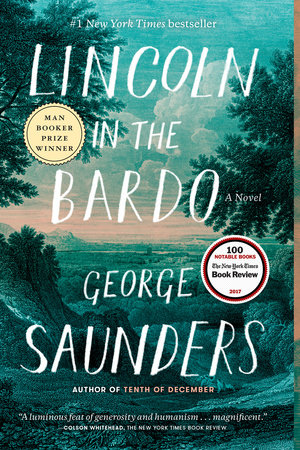
Title: Lincoln in the Bardo
Author: George Saunders
Publisher: Random House
Publishing Date: 2017
No. of Pages: 343
Synopsis: February 1862. The Civil War is less than one year old. The fighting has begun in earnest, and the nation has begun to realize it is in for a long, bloody struggle. Meanwhile, President Lincoln’s beloved eleven-year-old son, Willlie, lies upstairs in the White House, gravely ill. In a matter of days, despite predictions of a recovery, Willie dies and is laid to rest in a Georgetown cemetery. “My poor boy, he was too good for this earth,” the president says at the time. “God has called him home.” Newspapers report that a grief-stricken Lincoln returns, alone, to the crypt several times to hold his boy’s body.

Title: Death in the Andes
Author: Mario Vargas Llosa
Translator (from Spanish): Edith Grossman
Publisher: Faber and Faber
Publishing Date: 1997
No. of Pages: 276
Synopsis: In an isolated community in the Peruvian Andes, a series of mysterious disappearances has occurred. Army corporal Lituma and his deputy Tomas believe the Shining Path guerrillas are responsible, but the townspeople have their own ideas about the forces that claimed the bodies of the missing men. This riveting novel is filled with unforgettable characters, among them disenfranchised Indians, eccentric local folk, and a couple performing strange cannibalistic sacrifices. As the investigation moves forward, Tomas entertains Lituma with the surreal tale of a precarious love affair.
Death in the Andes is both a fascinating detective novel and an insightful political allegory. Mario Vargas Llosa offers a panoramic view of Peruvian society, from the recent social upheaval to the cultural influences in its past. (Source: Goodreads)
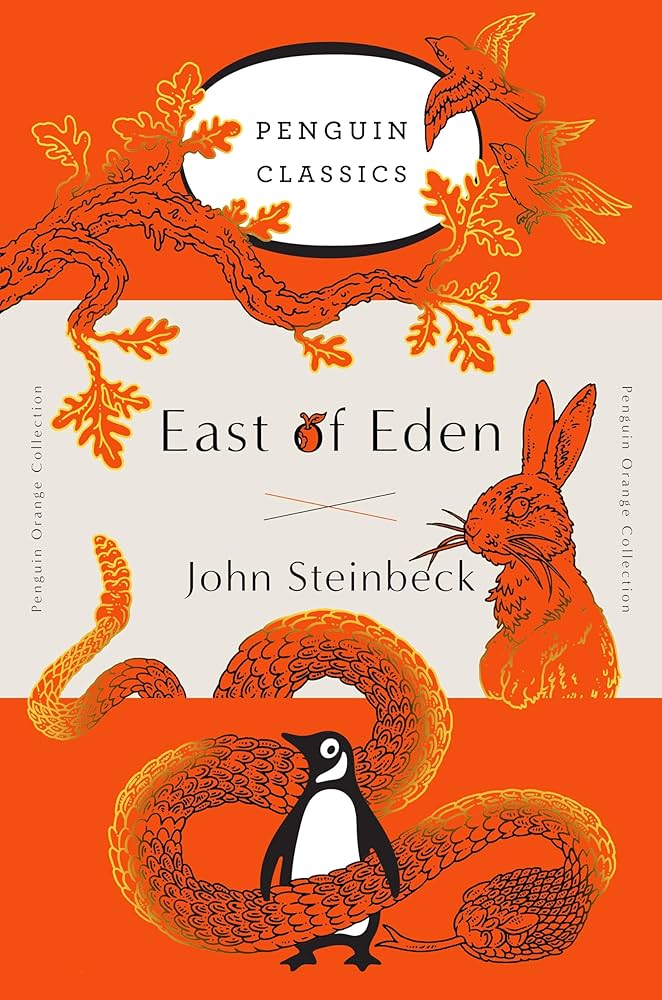
Title: East of Eden
Author: John Steinbeck
Publisher: Penguin Classics
Publishing Date: 2016 (1952)
No. of Pages: 601
Synopsis: East of Eden is the masterpiece of Nobel Prize winner John Steinbeck’s later years – a vastly ambitious novel that is at once a family saga and a modern retelling of the Book of Genesis. In his journal, Steinbeck called East of Eden “the first book,” and indeed it has the primordial power and simplicity of myth. Set in the rich farmland of California’s Salinas Valley, this sprawling and often brutal novel follows the intertwined destinies of two families – the Trasks and the Hamiltons – whose generations helplessly reenact the fall of Adam and Eve and the poisonous rivalry of Cain and Abel. East of Eden is a work in which Steinbeck created his most mesmerizing characters and explored his most enduring themes: the mystery of identity, the inexplicability of love, and the murderous consequences of love’s absence.
Title: The Corrections
Author: Jonathan Franzen
Publisher: Picador
Publishing Date: 2001
No. of Pages: 566
Synopsis: A comic, tragic epic stretching from the Midwest of the midcentury to the Wall Street and Eastern Europe of today, The Corrections brings an old-fashioned world of civic virtue and sexual inhibitions into violent collision with the era of home surveillance, hands-off parenting, do-it-yourself mental health care, and globalized greed.
After almost fifty years as a wife and mother, Enid is ready to have some fun. Unfortunately, her husband, Alfred, is losing his sanity to Parkingon’s disease, and their children have long since flown the family nest to the catastrophes of their own lives. Desperate for some pleasure to look forward to, Enid has set her heart on bringing the family together for one last Christmas at home.

Title: Alias Grace
Author: Margaret Atwood
Publisher: Virago
Publishing Date: 1998
No. of Pages: 542
Synopsis: “Sometimes I whisper it over to myself: Murderess. Murderess. It rustles, like a taffeta skirt along the floor” Grace Marks. Female fiend? Femme fatale? Or weak and unwilling victim?
Around the true story of one of the most enigmatic and notorious women of the 1840s, Margaret Atwood has created an extraordinarily potent tale of sexuality, cruelty and mystery.
Title: In the Time of the Butterflies
Author: Julia Alvarez
Publisher: PLUME
Publishing Date: August 1995 (1994)
No. of Pages: 321
Synopsis: They were the four Mirabal sisters – symbols of defiant hope in a country shadowed by dictatorship and despair. They sacrificed their safe and comfortable lives in the name of freedom. They were Las Mariposas, “The Butterflies,” and in this extraordinary novel Patria, Minerva, Maria Teresa, and Dedé speak across the decades to tell their own stories – from tales of hair ribbons and secret crushes to gunrunning and prison torture – and describe the everyday horrors of life under the Dominican dictator Trujillo. Now through the art and magic of Julia Alvarez’s imagination, the martyred Butterflies live again in a warm, brilliant, and heartbreaking novel that makes a haunting statement about the human cost of political oppression.
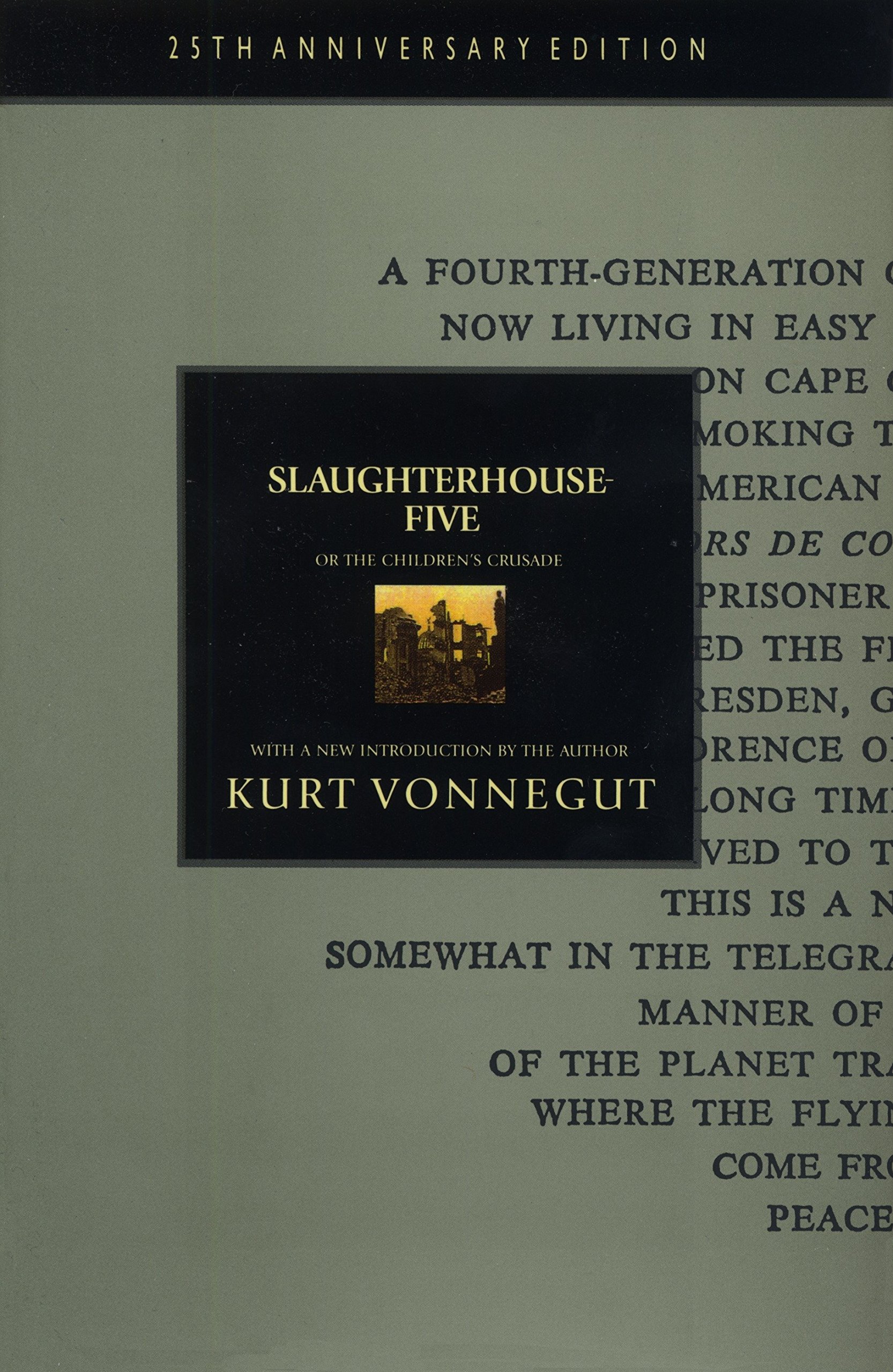
Title: Slaughterhouse-Five
Author: Kurt Vonnegut
Publisher: Delacorte Press/Seymour Lawrence
Publishing Date: March 1994
No. of Pages: 205
Synopsis: A fourth-generation German-American now living in easy circumstances on Cape Cod (and smoking too much), who, as an American infantry scout hors de combat, as a prisoner of war, witnessed the fire-bombing of Dresden, Germany, “the Florence of the Elbe,” a long time ago, and survived to tell the tale. This is a novel somewhat in the telegraphic schizophrenic manner of tales of the Planet Tralfamadore, where the flying saucers come from. Peace.

Title: The Strudlhof Steps
Author: Heimito Von Doderer
Translator (from German): Vincent Kling
Publisher: New York Review Books
Publishing Date: 2021 (1951)
No. of Pages: 839
Synopsis: The Strudlhof Steps is an unsurpassed portrait of Vienna in the early twentieth century, a vast novel crowded with characters ranging from an elegant, alcoholic Prussian aristocrat to an innocent ingenue to “respectable” shopkeepers and tireless sexual adventures, bohemians, grifters, and honest working-class folk. The greatest character in the book, however, is Vienna, which Heimito von Doderer renders as distinctly as James Joyce does Dublin or Alfred Döblin does Berlin. Interweaving two time periods, 1908 to 1911 and 1923 to 1925, the novel takes the monumental eponymous outdoor double staircase as a governing metaphor for its characters’ intersecting and diverging fates. The Strudlhof Steps is an experimental tour de force with the suspense and surprise of a soap opera. Here Doderer illuminates the darkness of passing years with the dazzling extravagances that is uniquely his.

Title: Idu
Author: Flora Nwapa
Publisher: Heinemann International
Publishing Date: 1989 (1970)
No. of Pages: 218
Synopsis: ‘What we are all praying for is children. What else do we want if we have children?’ These two sentences from Idu contain the basic theme of the book, a novel set in a small Nigerian town where the life of the individual is woven into that of the community as a whole. For long it appears as though Idu is unable to have a child, and her husband Adiewere even takes a second wife. But finally Idu gives birth to a fine boy, Ijoma. But it is not until Ijoma is four years old that Idu becomes pregnant for a second time. Before her second child arrives, however, Adiewere mysteriously dies. Idu flouts all conventions by refusing to marry her husband’s brother, preferring to follow her husband to the next world. Clearly, children are not the only thing she wants from life.

Title: Life and Fate
Author: Vasily Grossman
Translator (from German): Robert Chandler
Publisher: Perennial Library
Publishing Date: 1987
No. of Pages: 871
Synopsis: Life and Fate is fiction on the epic scale: powerful, deeply moving, and devastating in its depiction of a world torn apart by war and ideological tyranny. At the center of the novel, overshadowing the lives of each of its huge cast of characters, stands the battle of Stalingrad. Vasily Grossman presents a startlingly vivid picture of this desperate struggle for a ruined city, and of how the ebb and flow of the fighting affect the lives and destinies of people far from the front line. With Tolstoyan grandeur that finds room for intimate detail, and deploying a multitude of superbly realized characters, Grossman delivers a message of terrifying simplicity: that Stalinism and Nazism are one and the same in their falsehood, cruelty, and inhumanity.
 The Pine-Scented Chronicles
This was so helpful.
LikeLike