
Happy Tuesday everyone! As it is Tuesday, it is time for a Top Ten Tuesday update. Top Ten Tuesday is an original blog meme created by The Broke and the Bookish and is currently hosted by That Artsy Reader Girl.
This week’s given topic: Genre Freebie
Since I have previously done a magical realism and historical fictionlist, I have chosen to feature historical fiction for this Top Ten Tuesday update. This is going to be a tough one because it is one of the literary genres that I have extensively explored. Some of my best all-time reads are also from this genre. Nevertheless, here are some of my favorite works of historical fiction.


To Kill A Mockingbird by Harper Lee
Snippet from my review: Although it had local flavor, To Kill a Mockingbird was packed with themes that appeal universally, especially its take on racism and social injustice. The narrative shone brightly when it depicted how the primary characters come to grips with these dark realities. It is these elements that opened the Finch children’s eye, essentially making them lose their innocence at such young ages. This is also referenced in the novel’s title alone. One must not kill mockingbirds because they are harmless creatures, only providing pleasure with melodies.

The Catcher in the Rye by J.D. Salinger
Snippet from my review: The novel is an insightful exploration of the psyche. There is a very common reference to Holden’s cold façade, which I found was a deception, an armor. A lot has been said about his brand of teenage rebellion and it obscured the fact that his emotions are still taking shape. In his desperate search for companionship, Holden asks a cab driver to join him for a drink. Holden is lazy but he is also very well-read; he exhibits great insights and intelligence when he discusses the books he has read. He is also very generous with his things and his time – he completed an essay for his friend whom he was upset with.

Demon Copperhead by Barbara Kingsolver
Snippet from my review: To say that this novel is eventful is an understatement. From his own perspective, we follow Demon as he navigated the complexities of life. We read about his own encounters with substance abuse and domestic abuse. There was also a weighty indictment of the pharmaceutical industry, particularly its role in the opioid crisis. The novel was also a scathing commentary on the foster care system. It was rife with corruption and the lack of stern and tight supervision made it vulnerable to abuse. The system has failed in the disposal of its duties, leaving many of its wards in the hands of foster parents who abused them and only see the pecuniary advantage they can gain from them. Beyond the shortcomings of the child-welfare system, the novel underscored the maladies of the American education and healthcare systems.

Little Women by Louisa Mae Alcott
Snippet from my review: The March sister’s different personalities gave the story different textures. However, it was Jo March’s spunk and wit that gave the story a different complexion. Her remarkably self-assured storytelling and fiery persona gave life to an otherwise trite and dull story. There was an earnestness in her voice that drew the readers in, entranced by her Scheherazade qualities. She carried the story with a maturity beyond her years.
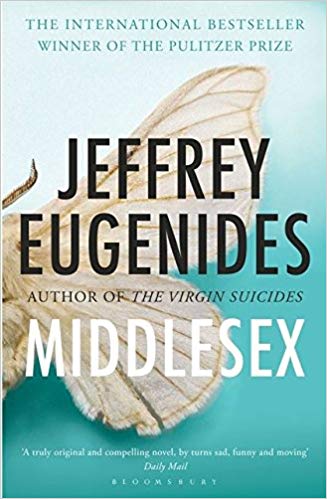
Middlesex by Jeffrey Eugenides
Snippet from my review: But most importantly, the book dealt about rising from these adversities and unfavorable circumstances. Calliope, or Cal as he was called when he opted to live the rest of his life as a man, strived hard to be accepted. His fear of rejection kept him from maintaining one serious relationship, hence, he hopped from one love affair to another. He was afraid that his lovers won’t accept him once they learn the truth. But as the story showed, we just need that one person who accepts us for who we are and then everything will change, for the better that is.

Go Tell It On the Mountain by James Baldwin
Snippet from my review: In writing his first novel, Baldwin drew elements from his own life. In Go Tell It On The Mountain, the readers experience the epiphany and the internal struggles of the author. He was exposed to religion at a young age, even becoming an active preacher in a small revivalist church when he was fourteen. The story commencing during John’s fourteenth birthday then comes as no random element. His experiences provided the foundations upon which he built what many consider as his finest work. In examining the relationship between one’s self and the Church, Baldwin did an amazing job of reeling in the readers, writing about a profound experience many can relate to.
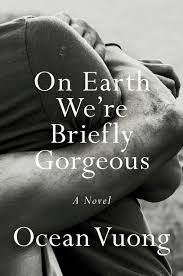
On Earth We’re Briefly Gorgeous by Ocean Vuong
Snippet from my review: More than anything else, the beauty of the novel lies in its fervent portrayal of that beautiful once in a lifetime moment when we experience a different kind of blossoming. These are very rare moments captured on the peripheries of our quotidian existence. These are brief but gorgeous moments which are difficult to replicate. We can never replay nor reexperience them, but they are forever etched in our hearts. Unfortunately, we cannot carry forward these moments into the hubbub of adult existence.

The South by Tash Aw
Snippet from my review: The growing attraction between Chuan and Jay, however, was expected—the novel opened with Jay and Chuan making love for the first time in the orchard. Their blossoming relationship becomes the novel’s emotional core while the build-up of palpable sexual tension forms the backbone of the narrative. The novel was palpably Jay’s coming-of-age and sexual awakening. It was also about him learning to navigate the world of adolescence: “There had been a lot of talk in recent months about my growing up, but no one could really explain to me what that process involved. There was the question of my lacklustre studies, the reports from other parents in the neighbourhood of changes in my behaviour: my timidity, the fact that I didn’t like sports, how I avoided the other boys at school—even those who had once been friends.” Aw’s most tender and affectionate writing captured the intimacy between the two young lovers.
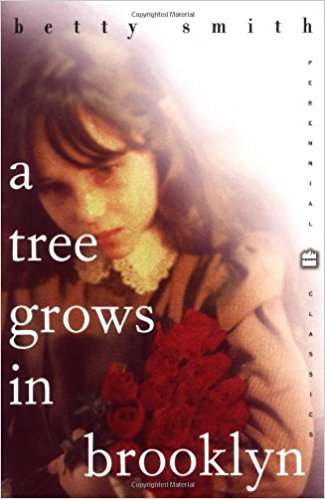
A Tree Grows in Brooklyn by Betty Smith
Snippet from my review: As a coming-of-age novel, the novel touches base on a myriad of subjects. Its highest accomplishment is its overwhelming highlight on the need for one’s resilience especially in surviving an oppressive environment. In Francie, Betty Smith personified tenacity at such a tender age. It is a story of how to toughen up and mature quickly in a troubled environment. It is a story of resilience and willpower on overcoming the disadvantages of life. Even the title of the book is an allusion to this resilience. The tree is an allusion to the Tree of Heaven, a specie of tree which can flourish even in the inner city.

The Bell Jar by Sylvia Plath
Snippet from my review: Through the pages of the novel, Plath related her own story. The novel contained several autobiographical elements. In her stead was Esther, her alter ego. The tangents in their individual life stories are too uncanny not to be noticed – their struggles, their personalities and their quest for independence. Reading the novel is like reading pages of Sylvia Plath’s life. One cannot avoid merging the two stories together, which could be challenging. But Plath’s narrative flowed so well that this is barely noticeable.
 The Pine-Scented Chronicles
Some excellent reads in there. 🙂
LikeLike