
It’s the second day of the week! It’s also time for a Top 5 Tuesday update. Top 5 Tuesdays was initially created by Shanah @ the Bionic Bookworm but is now being hosted by Meeghan @ Meeghan Reads.
This week’s topic: Top 5 books I’m thankful for in 2026
As the United States celebrates Thanksgiving, it is also time to look back at the five books that I am thankful for this year. There are many, and here are some of them.

The Melancholy of Resistance by László Krasznahorkai
Originally published in 1989 as Az ellenállás melankóliája, The Melancholy of Resistance is the fifth Krasznahorkai book I read. I was once apprehensive about reading the Hungarian author’s works, and I struggled to navigate his labyrinthine prose. However, Krasznahorkai being awarded the 2025 Nobel Prize in Literature – it was actually the lead-up to the announcement of the 2018/2019 Nobel Prize in Literature when I first encountered him – made me want to explore his oeuvre further. The Melancholy of Resistance is his most highly heralded work and for good reasons. Powerful symbols riddle the story. It captures the illusion of harmony in a world that is descending into chaos. The Melancholy of Resistance is no easy read, yet it is a worthwhile one.
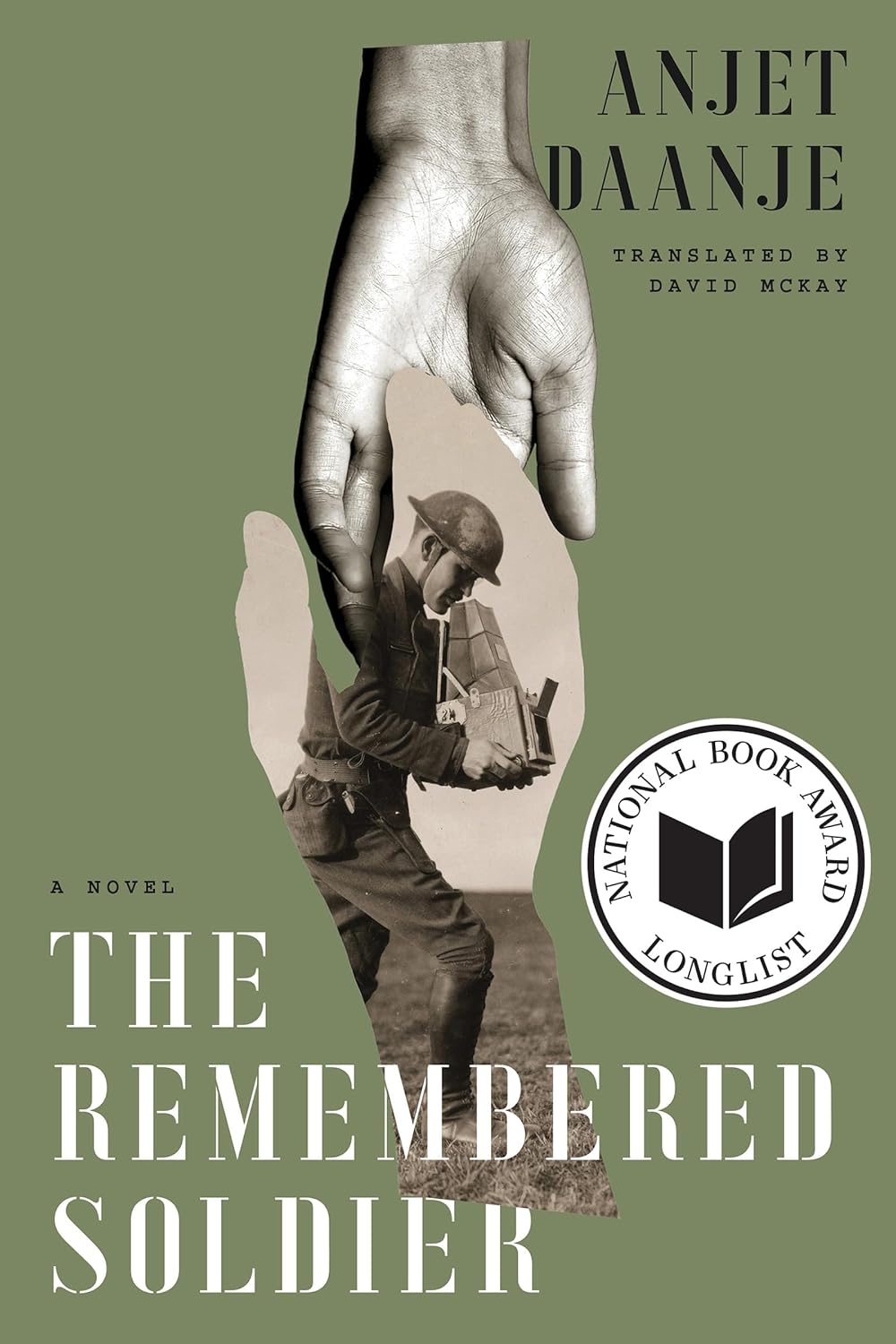
The Remembered Soldier by Anjet Daanje
I admit that my foray into Dutch literature is rather limited. In fact, the only book I have read that I could associate with the Netherlands is The Safekeep by Yael van der Wouden. On top of this, I have yet to read a book originally written in Dutch. This places The Remembered Soldier in a unique position. Had it not been for the International Booker Prize, I would not have encountered Anjet Her most renowned work is De herinnerde soldaat, which was published in 2019 and earned her several accolades. In 2025, it was made available to Anglophone readers as The Remembered Soldier. Memory and the psychological toll of war are the novel’s primary themes, with romantic overtones enriching the story. The Remembered Soldier may not have won the International Booker Prize, but it certainly captured the attention of many readers, including mine.
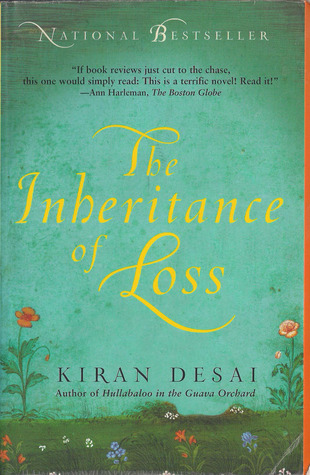
The Inheritance of Loss by Kiran Desai
I first encountered Kiran Desai through must-read lists. In particular, her sophomore novel, The Inheritance of Loss, was a constant presence on those lists. Over the past few years, I have repeatedly come across the book. However, I had been apprehensive about reading it. Originally published in 2006, The Inheritance of Loss is the winner of the 2006 Booker Prize. It proved to be an unexpectedly rewarding read. Beneath its expansive narrative lies a rich exploration of numerous themes, with isolation a recurring theme. True to its title, the story offers a moving meditation on loss, balanced by moments of love and tenderness. These deeply personal experiences unfold against a backdrop of political upheaval and ethnic conflict, allowing Desai to weave intimate human drama with broader historical realities.
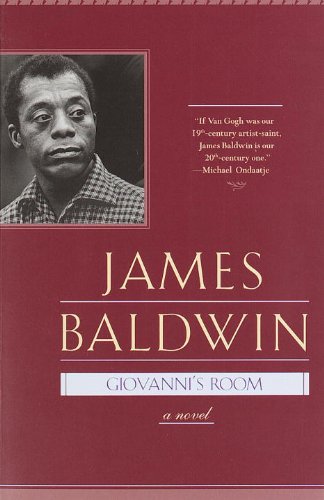
Giovanni’s Room by James Baldwin
James Baldwin’s Giovanni’s Room is listed among the 1,001 Books You Must Read Before You Die. Must-read lists introduced me to the highly esteemed American writer. Originally published in 1956, Giovanni’s Room is, at its heart, evidently a love story. However, identity and sexuality are the novel’s overarching themes. In David’s case, his denial of his sexuality is particularly compelling, especially his internalized homophobia. His denial creates a chasm between him and Giovanni, as he begins to resent people like Giovanni, whom he loves but cannot bring himself to fully embrace. David’s story also highlights societal and familial expectations. Conventional gender norms often interfere with a person’s sense of self. This makes Giovanni’s Room an interesting and thought-provoking read.

Taiwan Travelogue by Yáng Shuāng-zǐ
Yáng Shuāng-zǐ’s Taiwan Travelogue was recently awarded the International Booker Prize, making her the first Taiwanese writer to win the prestigious literary prize. I actually first came across the novel a year ago, but for some reason, I held back. Originally published in 2020 as 臺灣漫遊錄 (Táiwān Mànyóu Lù), the novel is framed as an autofiction written by a Japanese author, Aoyama Chizuko (青山千鶴子), whose manuscript is uncovered and translated into Chinese by Yáng. Historical details enrich the story. Its overarching theme is identity. Taiwanese identity is projected through its cuisine. Chizuko herself also begins to learn more about her own identity during her stay in Taiwan. The novel also explores the nature of language and translation. Above all, Taiwan Travelogue is a story of friendship and love that transcends both linguistic and physical boundaries.

