
Happy Tuesday everyone! As it is Tuesday, it is time for a Top Ten Tuesday update. Top Ten Tuesday is an original blog meme created by The Broke and the Bookish and is currently hosted by That Artsy Reader Girl.
This week’s given topic: Books with Weather Events/Words in the Title/on the Cover


The Four Winds by Kristin Hannah
Snippet from my review: The Four Winds was a vivid depiction of the Dust Bowl phenomenon and how it adversely affected the lives of the farmers and the common Americans in the 1930s. Hannah’s level of research was palpable in the story. She was unrelenting in her depiction of the period, capturing its harshest and most horrific pictures with vivid details. Amidst and despite all of this darkness, Elsa found her voice. An outcast, she rose above the tumult and the obstacles that blocked her path to chart her own story.

Gone With the Wind by Margaret Mitchell
Snippet from my review: Whilst Scarlett’s coming-of-age forms a healthy portion of the novel’s backdrop, its historical undercurrents also create a beguiling background to an already compelling story. Two defining elements of the Deep American South history were incorporated into the story. The first defining moment was the American Civil War and the ensuing Reconstruction period. The elements of war gave the story a different texture and complexion which is akin to Leo Tolstoy’s War and Peace.

Black Rain by Masuji Ibuse
Snippet from my review: The novel derived its title from a post-explosion black rain. It would be a contentious point later on as it is believed to have further exposed the characters to radiation. Ibuse also riveted the readers with his astute description of the bombing itself. Rather than referring to it directly by its name at the onset – characters speculated on its nature based on the extent of the damage they witnessed – Ibuse captured it through the perspective of various characters; modern readers know it now by the (in) famous image of the mushroom cloud. In doing so, Ibuse deflected the discourse from the bomb itself to the more important subject: its aftermath.

If On A Winter’s Night A Traveler by Italo Calvino
Snippet from my review: What’s very special about Calvino’s masterpiece is how it made the reader dance along the narrative. In a cunning fashion, he engaged his reader by making him the centripetal force that binds the story together. Italo Calvino’s If on a winter’s night a traveler is a book about a reader reading Italo Calvino’s latest work If on a winter’s night a traveler. To most, it is a manifestation of the writer’s narcissistic tendencies apropos their works. But to some, it is a clever manner of conveying a literary journey.

The Shadow of the Wind by Carlos Ruiz Zafón
Snippet from my review: The titular shadow is the greatest and most ominous allegory in the novel. It represents death, evil, and destruction. We, humans, were programmed to fear darkness, to be afraid of what lurks underneath the shadows. We also have our own demons and shadows that we must overcome. Each character in The Shadow of the Wind has shadows they run away from. Each was given the opportunity to overcome these shadows or be completely engulfed by them. We were reminded how choices and decisions govern our lives.
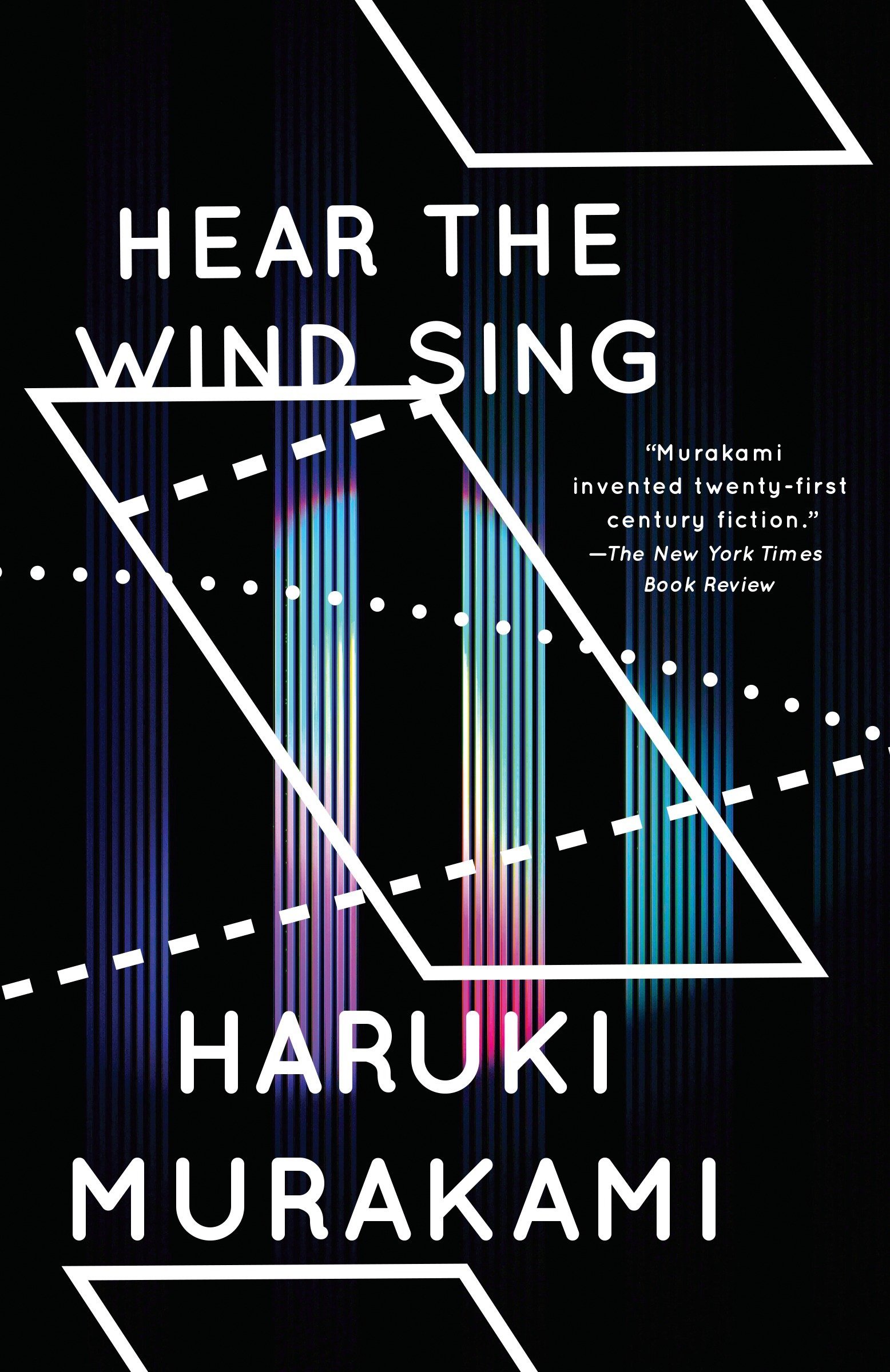
Hear the Wind Sing by Haruki Murakami
Snippet from my review: Hear the Wind Sing did a resplendent job of setting the tone for Murakami’s succeeding works. The novella encapsulated several fundamental elements that would be the trademark of Murakami’s literary corpus. The mysterious male protagonist and his coming of age were the most palpable. The novella had traces of magical realism, an element that would define Murakami’s succeeding works. The Japanese brand of magical realism has become synonymous with Murakami.

Snow Falling on Cedars by David Guterson
Snippet from my review: The novel also dipped into a plethora of subjects such as the consequences of war and the search for identity. There were also talks about changes in the alliance. One of the novel’s best attributes is how it aptly depicts the nuances of the legal system. Fused into the narrative are fabrics of the Japanese culture. The predictability that the story was doused with destroyed the suspense. For a story that tried to hypnotize the readers with its endless curves, the ending was anticlimactic.
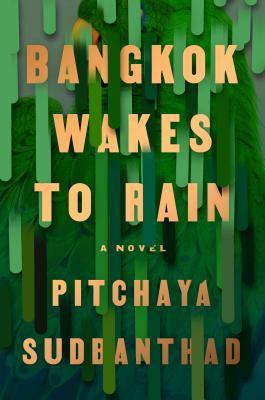
Bangkok Wakes to Rain by Pitchaya Sudbanthad
Snippet from my review: By splitting the story into three pivotal junctures in Thailand’s history, Bangkok Wakes to Rain powerfully evokes the transformation of a place as time moves forward. The imprints of memory are scattered all over the narrative. Sudbanthad embellished the story of Bangkok with the stories of its denizens. The book is populated with colorful characters whose stories are inevitably interwoven with that of the city. Through them, the different personalities of Bangkok were vividly depicted. Both elements, the city and its people, worked cohesively to enhance the novel.

Cold Mountain by Charles Frazier
Snippet from my review: Cold Mountain is a sweeping journey that is both physical and transformational. However, for all the literary power it holds, Cold Mountain can be a challenging read. Exploring heavy and dark themes, the story takes time to develop. It is a story that must be consumed in pieces; the breathtaking scenes drank in sips. Inman and Ada’s story are equally compelling. Whilst their romance is central to the story, the stories of salvation, growth, development, and hope that flourished in the midst of chaos and tumult elevated the story.

The Ice Palace by Tarjei Vesaas
Snippet from my review: It is about coming to grips with one’s feelings, an important facet of the transition from childhood to adolescence. The story also underlined the importance of accepting the looming presence of emptiness and loss as an integral part of living. The convergence of prose and poetry, The Ice Palace was an immense commercial and critical success. It won the prestigious Nordic Council Literature Prize (Nordisk Raads Litteraturpris) in 1964, making Vesaas the first Norwegian writer to win the award. It is no wonder that The Ice Palace is considered a classic of modern Norwegian literature.
 The Pine-Scented Chronicles
📖
LikeLike