
Wow. Today is the second day of the seventh month of the year. It also means that we are already in the midpoint of the year. The first half has squeaked past us but before us is the other half. How time flies. I guess this is an inevitable component of life. It takes its natural course sans any regards to anyone. Nevertheless, I hope that the first half of the year has been kind to everyone. I hope that the second half of the year will be brimming with blessings, good news, and positive energy.
With six months nearly done, it is also time to reflect on how the year has gone, at least in terms of reading and books. It was in 2017 when I first encountered the Mid-Year Freak Out Tag. Over the years, it has become a barometer that gauges how my reading year is progressing. “Freak out,” however, sounds a little excessive for it is too early to push the panic button. Panic unusually set in around October or November, when I slowly realize that I am lagging behind in my reading challenges. This year, however, things have changed as I started on my reading challenges earlier than usual with the ultimate goal of completing them earlier than usual
You can check my previous editions below:
- Mid-Year Freak Out Tag
- Mid-Year Freak Out Tag (2019 Edition)
- Mid-Year Freak Out Tag (2020 Edition)
- Mid-Year Freak Out Tag (2021 Edition)
- Mid-Year Freak Out Tag (2022 Edition)
- Mid-Year Freak Out Tag (2023 Edition)
- Mid-Year Freak Out Tag (2024 Edition)
Without further ado, here goes my own version of Mid-Year Freak Out Tag.
1. Best book(s) you’ve read so far this year.

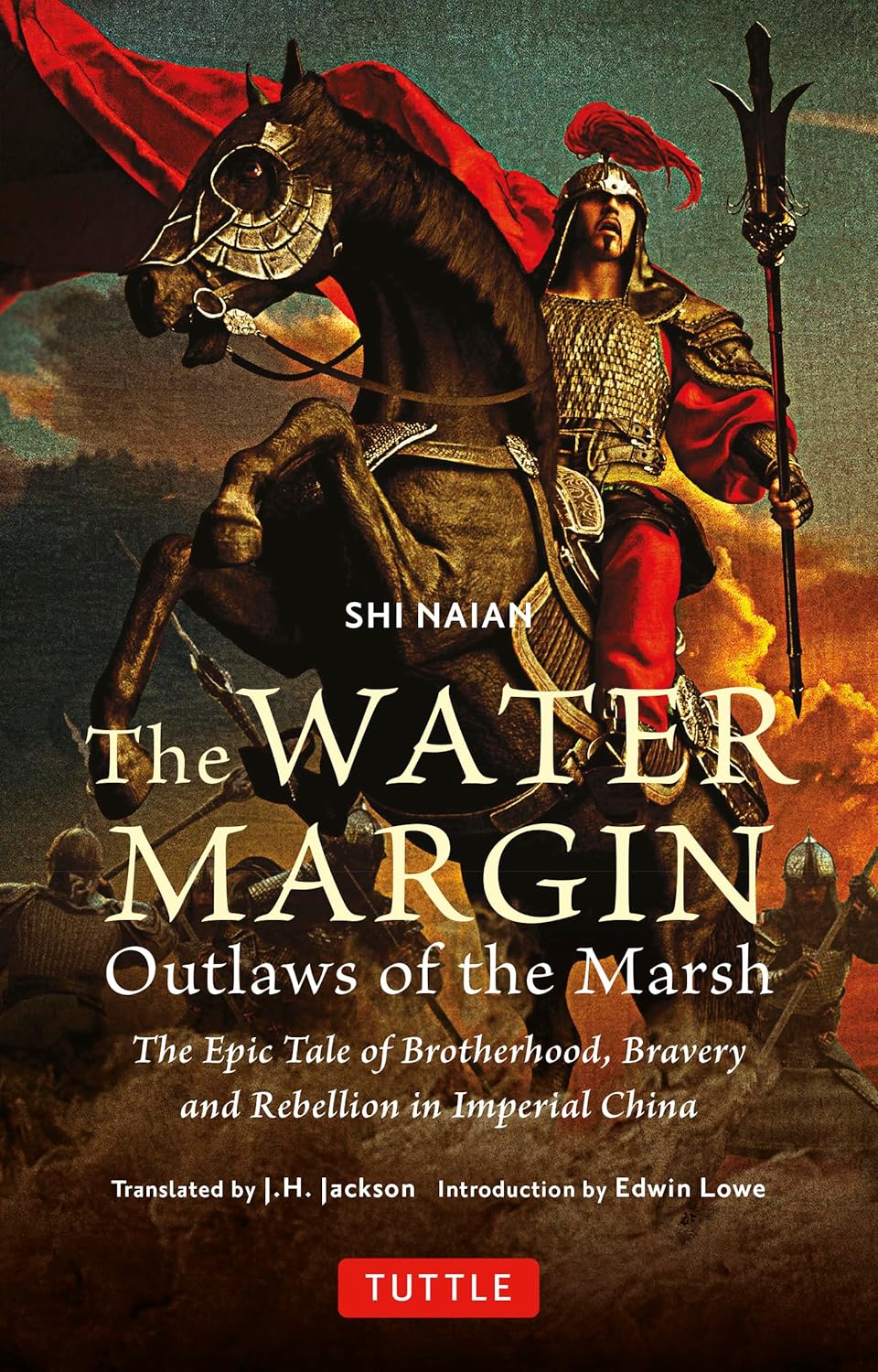


So far, I have read exactly sixty books this year. I am still not used to reading this many books in such a short time. But I can’t complain can I because I used to dream of days like this. This also underlines how I was able to sustain the reading momentum I have built during the pandemic period. But this also poses a challenge. It is difficult singling out one book to call my favorite this year; I had the same quandary last year and the year before. Several books left a deep impression on me. With the first quarter of the year spent reading works of East Asian literature, it comes as no surprise that half of the books listed above were written by either Japanese, Chinese, or Korean writers.
Shi Nai’an’s The Water Margin is one of the four (or in some versions, six) great classics of Chinese literature. And for good reason. It is a complex work of historical fiction that guides the readers across the landscape of Song Dynasty China, where rebellion and general discontent were ubiquitous. As eventful and as memorable as The Water Margin is Eiji Yoshikawa’s The Heike Story. The layout of the landscape is similar: a regime on the brink of collapse. The focus of both stories, however, was the warriors fighting at the front line. Recent Nobel Prize in Literature awardee Han Kang’s latest translated novel, on the other hand, contains all the hallmarks of her writing. We Do Not Part exposes the shifting definition of humanity in a society that is palpably careening towards strife and discord. Still, it is also a celebration of life, friendship, and profound love and their power to transform a horrific landscape.
Deviating from the first three works of East Asian writers on this list is Otohiko Kaga’s Marshland. It is a work of historical fiction, but it is also an intricate but absorbing police procedural that exposes the corruption that permeates major institutions in the Japanese political structure. Richard Powers’ Playground, interestingly, is the odd one out. It is the only work by a non-Asian writer I have read so far this year. It also happens to be the first book I read this year, and it was a memorable one. Powers never fail to fascinate. Like Playground, I was looking forward to Ocean Vuong’s The Emperor of Gladness when I heard of its release. Vuong’s sophomore novel is an absorbing story about the fractures of history and the beauty of found families.
Rounding up this list are two books from the other side of the Asian continent. For the longest time, I have been looking forward to Nobel Laureate in Literature Orhan Pamuk’s My Name is Red. It is often cited as his best work. I must agree. This work of historical fiction integrates a bit of fantasy and sleuthing to underscore the changes sweeping the Ottoman Empire. Pamuk is certainly growing on me. Lastly, it was through an online bookseller that I came across Elias Khoury’s My Name is Adam, the first book in the Children of the Ghetto series. The novel vividly captures the horrors of the Nakba. These details are the reasons why I appreciate this book, as heartbreaking as it can be at times. With the recent events in Palestine, this book is a timely and relevant read.
2. Best sequel you’ve read so far this year
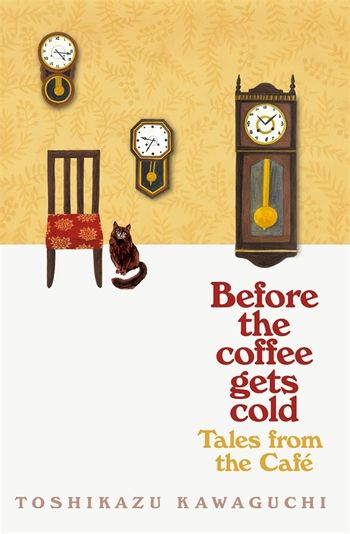
I rarely read book series, hence, I have very little to choose from. So far this year, the only sequel I have read is Toshikazu Kawaguchi’s Before the Coffee Gets Cold: Tales from the Café. It is the second book in Kawaguchi’s popular Before the Coffee Gets Cold series. Basically, it is a continuation of the first book, a collection of individuals who wanted to make peace with their past. Like its predecessor, these stories are relatable and heartwarming, although at times heartbreaking.
3. New release you haven’t read yet, but want to
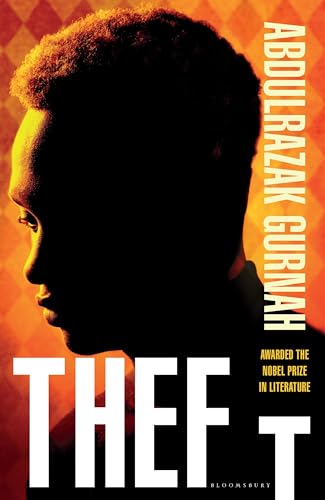
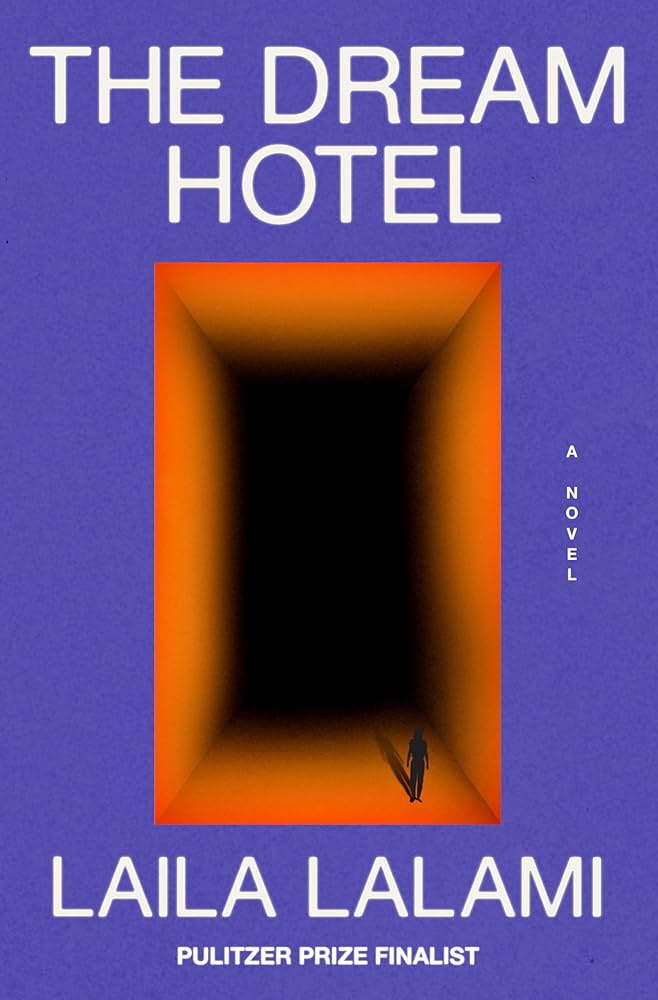

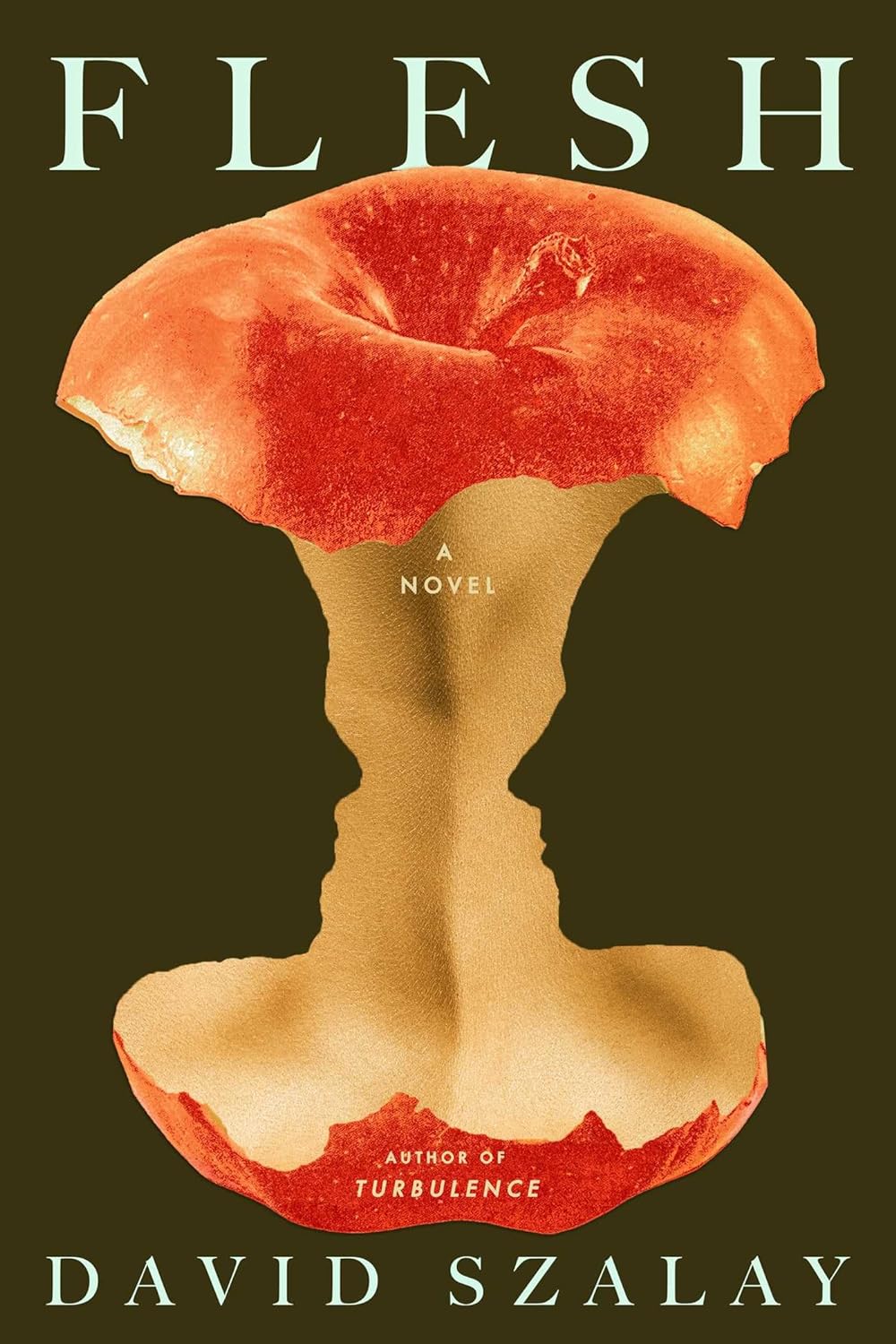


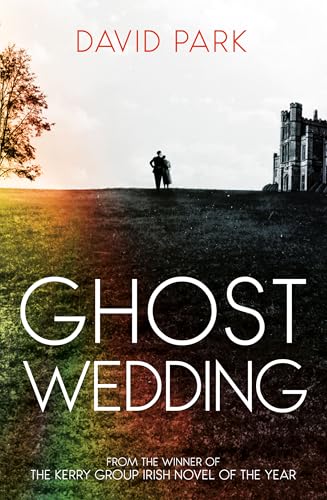

As part of my annual reading tradition, I churn out a list of books to be released during the year that I am looking forward to. I have, so far, completed two of the ten books on my 2025 Books I Look Forward To List, which is a measly number; these books are part of my foray into Asian literature and the reasons why I extended my stay in this section of the literary world. Nevertheless, this is a better output compared to the same point in the previous years. So far, I already have copies of five of the eight books above: Abdulrazak Gurnah’s Theft, Chimamanda Ngozi Adichie’s Dream Count, Laila Lalami’s The Dream Hotel, David Szalay’s Flesh, and Nell Zink’s Sister Europe. I hope I get to obtain copies of the last five books on the list. Ever since I started creating Books I Look Forward To lists, I have never completed all ten books, although I did come close in 2020 and last year, when I fell short of one book.
4. Most anticipated release for the second half of the year

Among the books I am looking forward to in the second half of the year are David Park’s Ghost Wedding, which is part of my 2025 Books I Look Forward To List, and Eloghosa Osunde’s latest novel, Necessary Fiction. The former is to be released on August 4, while the Nigerian writer’s novel is scheduled to be released on July 22. Meanwhile, I named Osunde’s debut novel, Vagabonds!, as the biggest surprise in my 2024 Mid-Year Freak Out Tag.
5. Biggest disappointment

I wouldn’t say biggest disappointment, but a disappointment nevertheless. I have been looking forward to Jungeun Yun’s Marigold Mind Laundry because it was ubiquitous last year. It looked quirky, and it is this quirkiness that I gravitated to. While the story’s premise is promising – it offers the same warm and healing story prevalent in recent works of Korean literature – Yun fell short in execution. She explored several germane and timely themes, but the examination of these subjects was ephemeral at best.
6. Biggest surprise


I listed Tash Aw’s The South and Santanu Bhattacharya’s Deviants as part of my 2025 Books I Look Forward To List, even though I have never heard of either the Malaysian or the Indian writer before. I was in for a surprise. I guess this is also partly because I didn’t have any expectations going into the books, but I ended up liking both of them. I liked the writing, although they have contrasting styles, and the atmosphere they both created. The South provided me with insights into Malaysia’s contemporary history. The same is true with Deviants. Both also explored themes of gender and identity.
7. Favorite new author (debut or new to you)
Sabahattin Ali and Can Xue. I have been reading a lot of good things about the Chinese writer whom I first encountered through online booksellers. She is also a part of the perennial discussion on possible Nobel Prize in Literature awardees. Finally, I got to experience her prose. It Love in the New Millennium was quite a challenge, but it is this challenge it posed that made it a rewarding read. It was also through online booksellers that I first encountered the Turkish writer. Madonna in a Fur Coat was ubiquitous. Both of these books, despite the glaring dichotomy in reading experiences, made me look forward to reading these writers’ other works.
8. Newest fictional crush
For as long as I can remember doing this book tag, I haven’t named a fictional crush. This year is not going to be different. I guess it is not my thing.
9. Newest favorite character

Luang Paw Tien is the abbot of a temple in the Thai countryside. Already in his nineties, he has lived a full life, which included adventures in the jungle when he was still young. He was full of verve, an excitable character. These experiences made him a Scheherazade for the younger generation.
10. Book that made you cry
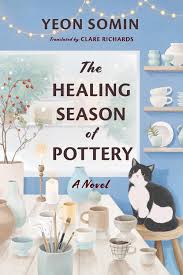

It is rare for me to cry over a book. However, some books elicited strong emotions from me. Elias Khoury’s My Name is Adam, Yeon Somin’s The Healing Season of Pottery, and Han Kang’s We Do Not Part all appealed deeply to me on an emotional level. My Name is Adam captures the struggles of the Palestinian people, while We Do Not Part captures a part of modern Korean history that is often muted, or at least not everyone reads about. The Healing Season of Pottery, on the other hand, is a relatable book that reminds us to slow it down and enjoy the ride.
11. Book that made you happy

I guess I can say that Keigo Higashino’s The Miracles of the Namiya General Store is a book that made me happy. For one, it provides a different dimension of Higashino’s oeuvre. He has established a reputation as a suspense fiction writer. There are still elements of suspense in Namiya General Store, but it is more lighthearted. It is a heartwarming read about reconciling with the past, almost in the same breadth as Before the Coffee Gets Cold.
12. Most beautiful book you’ve bought so far this year (or received)

I guess I will go with Hiro Arikawa’s The Passengers on the Hankyu Line. It is a bit quirky, and the image immediately brings to mind Japan.
13. What books do you need to read by the end of the year?


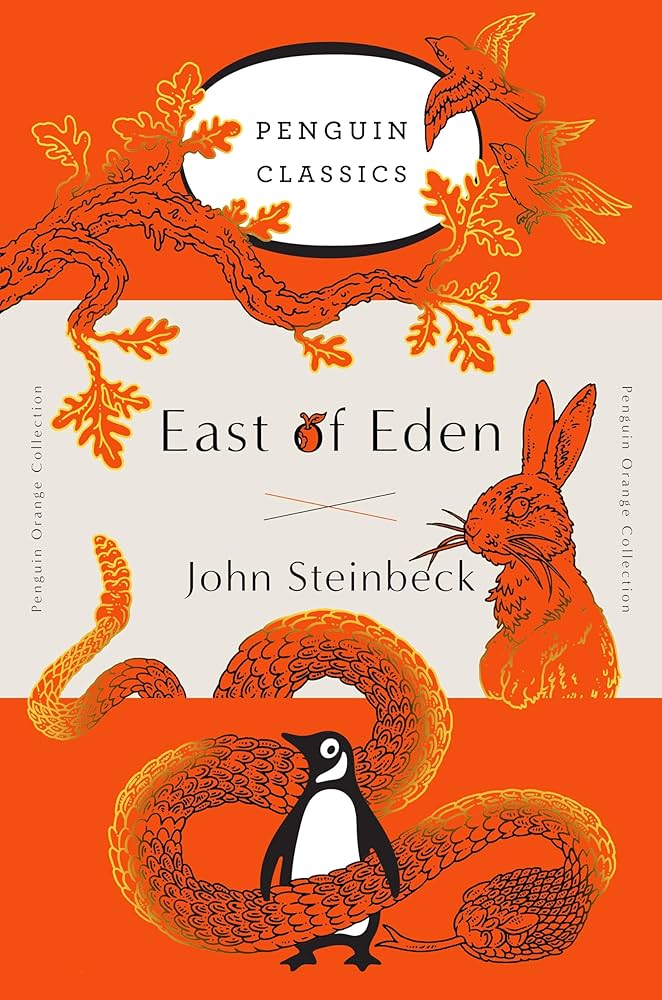
I have many books I want and need to read this year. Considering how I focused on works of Asian writers in the first half of the year, I have been lagging behind in my reading challenges, including my 2025 Top 25 Reading List. Among the books in this list are Umberto Eco’s Foucault’s Pendulum, José Saramago’s Blindness, Javier Marías’ A Heart So White, and John Steinbeck’s East of Eden. These are also books I have been looking forward to for the longest time, especially A Heart So White, which a fellow bookreader has recommended to me, and Foucault’s Pendulum because it often goest toe-to-toe with The Name of the Rose as Eco’s magnum opus.
14. Favorite book community member
Apart from WordPress, Goodreads is the only book community that I am part of. Well, WordPress is not even a book community, but through it, I have encountered several bookworms who share the same passion I have. I appreciate your blogs, and I am grateful that you try to engage in my own blog. Your inputs are all appreciated.
So there goes my version of the Mid-Year Freak Out Tag. Interested in doing it? Go ahead. Just don’t forget to tag me.
Happy reading!
 The Pine-Scented Chronicles
Only finished 3 books so far: A Christmas Carol, House in the Cerulean Sea, and Somewhere Beyond the Sea
Currently- James (Kindle) and Islands of the Blessed (final book of The Sea of Trolls trilogy)
Most beautiful book I bought- Voyage of the Damned (that cover was what initially drew me to it)
LikeLike
So many of these sound amazing!! Need to add them to my TBR
LikeLike