
Happy Tuesday, everyone! How has the year been so far? I hope that the year is going in everyone’s favor. As it is a Tuesday, it is time for a Top 5 Tuesday update. Top 5 Tuesday was originally created by Shanah @ the Bionic Bookworm, but is now being hosted by Meeghan @ Meeghan Reads.
This week’s topic: Top 5 books about politics
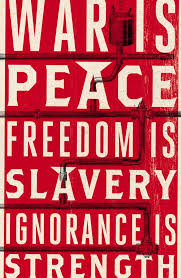
Nineteen Eighty-Four by George Orwell
Snippet from my review: Whilst Orwell’s vision of a dystopian world was never fully realized, the novel’s portrayal of the future was nevertheless prophetic. With the rise of Stalinist Russia, various dictators and strongmen from all over the world rose from the ranks and started wresting control over their own states. Cuba’s Fidel Castro, the Philippines’ Ferdinand Marcos, the Dominican Republic’s Rafael Trujillo, and Libya’s Muammar Gaddafi are just among the long list of Big Brother-like personifications in contemporary history. But despite the majority of the world enjoying liberty, one is never rid of the thought that one is under surveillance. The proliferation of the CIA, the NSA, the FBI, and other government agencies also strikes fear, especially in a period where information is more accessible than ever.

Prophet Song by Paul Lynch
Snippet from my review: This was, however, just the tip of the iceberg. The authoritarian regime’s relentless drive for control and power altered the definition of normal. Everything imploded. Meanwhile, on the fringes of society, the rebel movement was slowly crafting its move. It didn’t take long before the tensions percolated into a full-blown war cry, with the streets of Dublin turning into a literal battle scene. Peace and harmony dissolved into horror. As civil unrest gripped the rest of the nation, neighbors, friends, and even family members started disappearing. Meanwhile, the rest of the world served as spectators, watching on tenterhooks how everything would unfold without giving much assistance. The images Lynch painted evoke chilling parallels in the present. The fiction slowly becomes a projection of the present pandemonium experienced in different parts of the world.
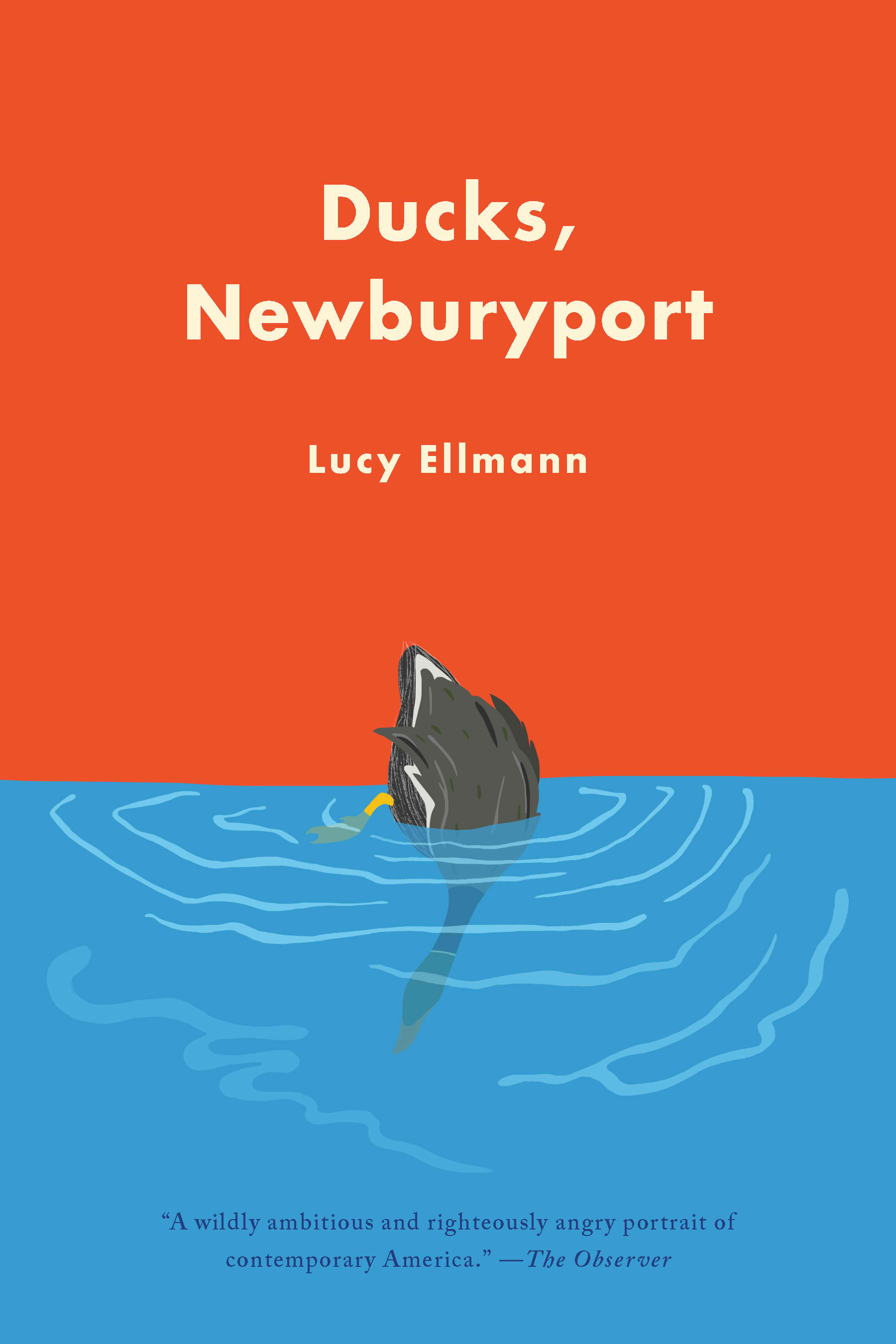
Ducks, Newburyport by Lucy Ellmann
Snippet from my review: Through long and winding sentences, the primary narrator meditates on different subjects and themes that are relevant in contemporary society. The contemporary period is fraught with obstacles that perpetually make navigating our quotidian existence a challenge. In a period of flagrant radical politicizing, blatant historical revisionism, and unabashed violence, one must strive to survive, not just for oneself but for everyone who relies on her or on him.
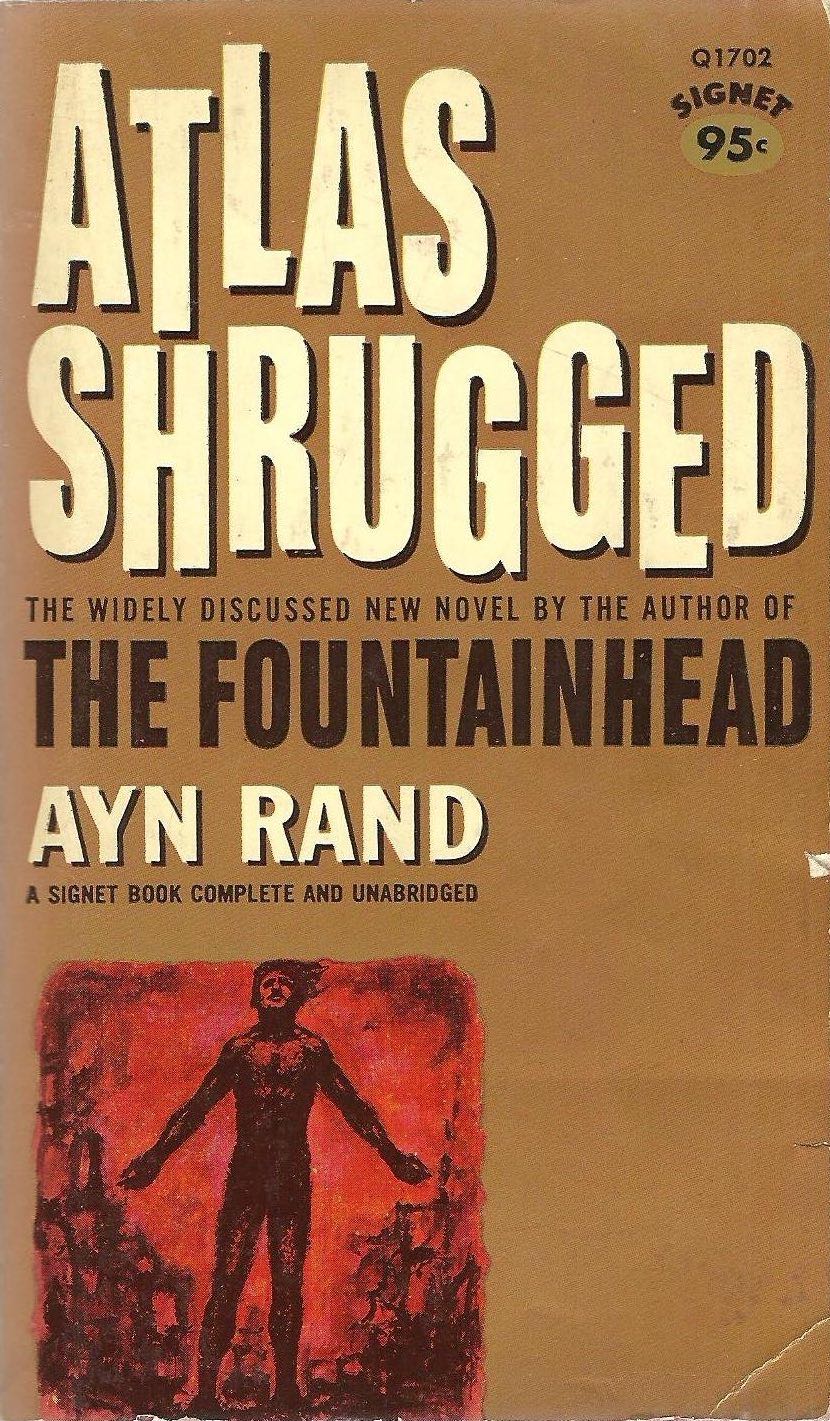
Atlas Shrugged by Ayn Rand
Snippet from my review: The story began when industrialists began disappearing one after the other because of aggressive regulations that are being enacted by government officials. The officials abused their power by enforcing tight regulations that forced “men of the mind” to desert their properties. As a result, the most vital industries collapsed. One crisis after another began crippling the entire country. At the center of this ruckus are Taggart Transcontinentals’ Dagny Taggart, Rearden Steel’s Hank Rearden, and some of the country’s industrial intellectuals.
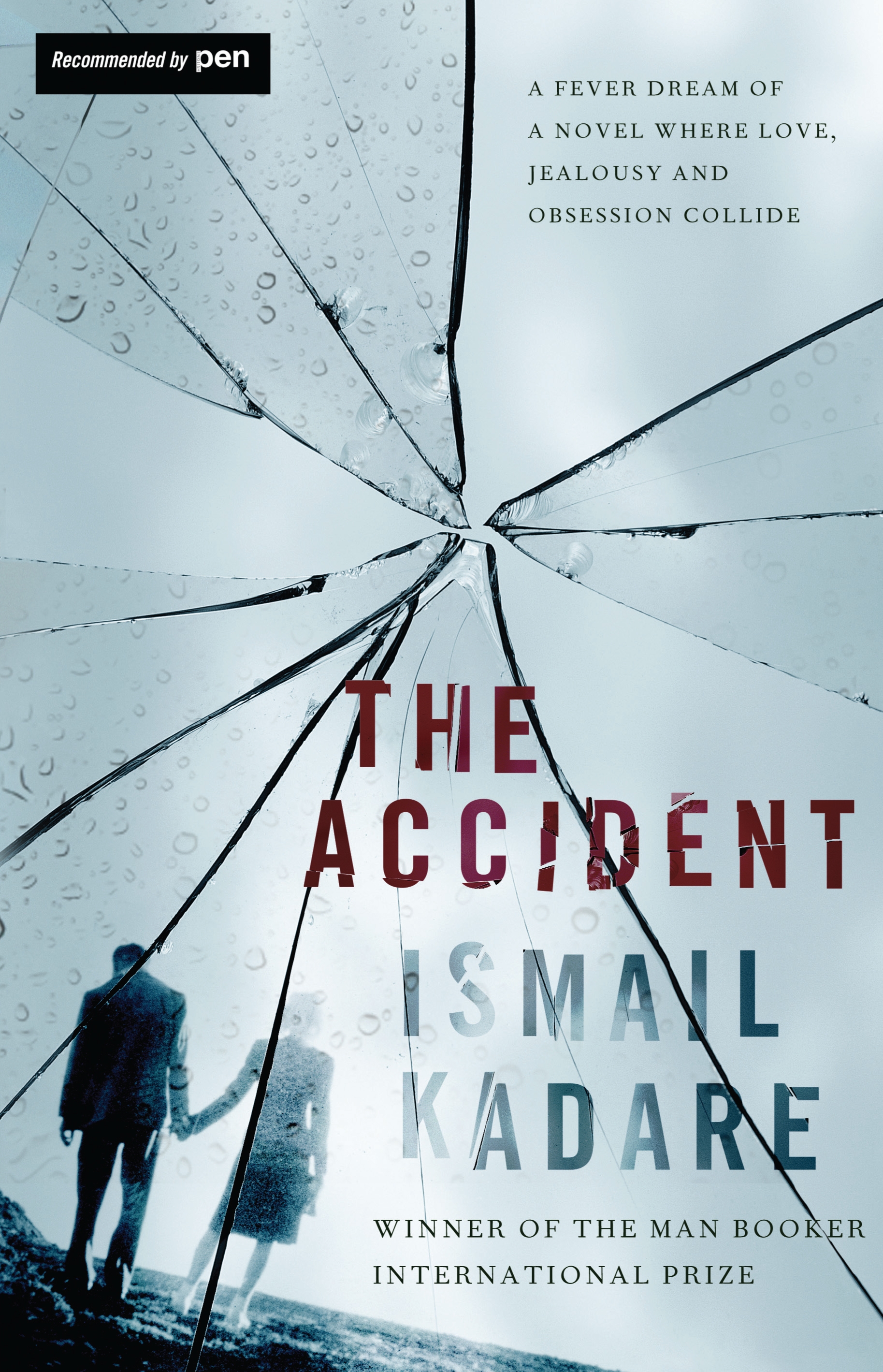
The Accident by Ismail Kadare
Snippet from my review: The story was set in the contemporary. However, the pages of the book were haunted by the ghosts of the Balkan Wars that rocked the peninsula from the 1990s to the early 2000s. The novel’s most scathing and critical commentaries, however, were reserved for the regime that Kadare alternately criticized and commended. The shadows of Hoxha and his gruesome regime loomed large in the story. The horrors of the regime were captured by Kadare. For instance, a character was forced to accept an engagement because of an ongoing purge against vice at the university she was attending. Furthermore, women who were “suspected of loose morals, along with homosexuals, gamblers, and people who encouraged degeneracy were all carted off.” These were on top of other horrible acts that “Uncle Enver” would mastermind from his rise to power until his death in 1985.

To Kill A Mockingbird by Harper Lee
Snippet from my review: These experiences Jem and Scout have gained molded them and taught them to experience more mature and complex emotions such as compassion, bravery, and courage. It is part of their growing-up process that plays a significant role in their maturity. The novel, after all, is a microcosm for the study of human behavior. The human behavior aspect of the novel was perfectly obscured in small but critical events, such as how the mob behaved during the case hearing, and how other people’s view of the Finches changed when they learned that Atticus was the defendant’s lawyer.

