Happy Tuesday everyone! As it is Tuesday, it is time for a Top Ten Tuesday update. Top Ten Tuesday is an original blog meme created by The Broke and the Bookish and is currently hosted by That Artsy Reader Girl.
Ursula Hegi’s Stones from the River showed how society at large is harsh towards anyone different. Such instances are interspersed throughout the novel. Georg, Trudi’s first friend, was called gay because of his long hair. There was also the Nazi oppression of the Jews. Trudi showed that whatever disability has shouldn’t be an excuse to go after what one desires, including love. Trudi wanted to be normal and wanted to have a mother figure after her mother left her and her father. Beyond Trudi, the book presented the challenges people with disabilities experience like bullying, rejection, and abuse
Ken Follett’s historical novel, The Pillars of the Earth realistically captured the medieval period. Follett painted a picture of the medieval period one would have imagined it. He did not spare any details describing such gruesome events, such as executions, rape, and the pillaging of villages. He didn’t mince words when relating these events. It also touched base on betrayal, revenge, fornication, and lust. On the lighter side, it had overtones of love, romance, positive religious ideals, and brotherhood. I have to hand it to Ken Follett for writing an epic masterpiece that kept me at the edge from the start until the end because it has my full attention.
I have to hand it to David Mitchell for a well-written narrative that redefines the boundaries of the different genres as we know them. As always, he has taken his writing to a level that only he knows how to. Although overshadowed by Mitchell’s most popular novel Cloud Atlas, The Bone Clocks, is, nevertheless, an impressive albeit stormy tale that integrated the supernatural with reality. It is a strangely appetizing novel filled with colorful characters and peculiar storylines that makes me look forward to Mitchell’s other works. Yes, they are bizarre but they make me dwell deeper into the heart of our reality.
The Pearl that Broke its Shell is a dark but necessary tale. It is a story that strikes a nerve in both the brain and the heart. It is a relevant one that gives voice to abused women, not just in Afghanistan but all over the world. It is a sweeping story that ignites a whole array of emotions. The novel is a page-turner with a wonderful ending brimming with hope. Hashimi’s portrayal of the events is on point, stirring her readers’ emotions on every imaginable curve that she could. South Asian authors have found the equilibrium of relating dark sides of reality while writing a compelling tale.
Marjane Satrapi’s The Complete Persepolis highlighted the horrors of living in a nation divided by war. But it wasn’t only the war that was dividing the country. The extreme fundamentalists and religious fanatics leading the country are causing a rift amongst its denizens. These fanatics suppressed everything that was above them, especially those who are against them and their religious views. Intellects were persecuted and schools are closed. Every able-bodied boy is sent to war. To live in Iran is to live precariously. In the same manner that Zusak’s The Book Thief does, Persepolis makes one reflect on the consequences of war, especially its effects on the younger ones. War is truly an ugly business.
Ian McEwan’s On Chesil Beach was quite muddy at the onset but one gains perspectives as Florence’s and Edward’s individual stories are told through seamless flashbacks. This is where you get to appreciate McEwan’s ingenious writing style. The book’s flashbacks are filled with nostalgia and puts a different light into the overall complexion of the story. What keeps the reader hooked into the story is how McEwan kept many things unsaid. The biggest truths were obscured in simple passages. These truths creep into the reader’s subconscious only as he navigates the literary labyrinth that McEwan conjured. It was deliberate.
Through his works, the immortality of Milan Kundera’s literary prowess is anything but guaranteed. His works defy literary conventions; to be able to project an entire narrative through a single gesture is sheer genius. Immortality jumps out of the box. Kundera told two different stories in two different periods to redefine the word. There might have been bumps along the way, but Kundera’s savvy and acuity proved superior to everything. Kundera’s works defy norms for he has mastered the craft of conjuring unconventional masterpieces from conventional elements. Immortality is one testament to this enduring talent.
Tender is the Night weaved an overwhelming sense of frustrations and regrets into the prose. One of the book’s subtlest yet most important aspect is its take on morality. Fitzgerald depicted the unglamorous side of high society, hinged on marital affairs. The convergence of these various elements made it an outstanding read. The story, in the guise of a romance story, was deceptively simple but the curves and spins Fitzgerald made gave the story an altogether different flare. In the end, one can’t help but feel sympathy for the misfortune of the book’s mai characters. His actions maybe abominable and capricious but in the end, he tried to mend his ways.
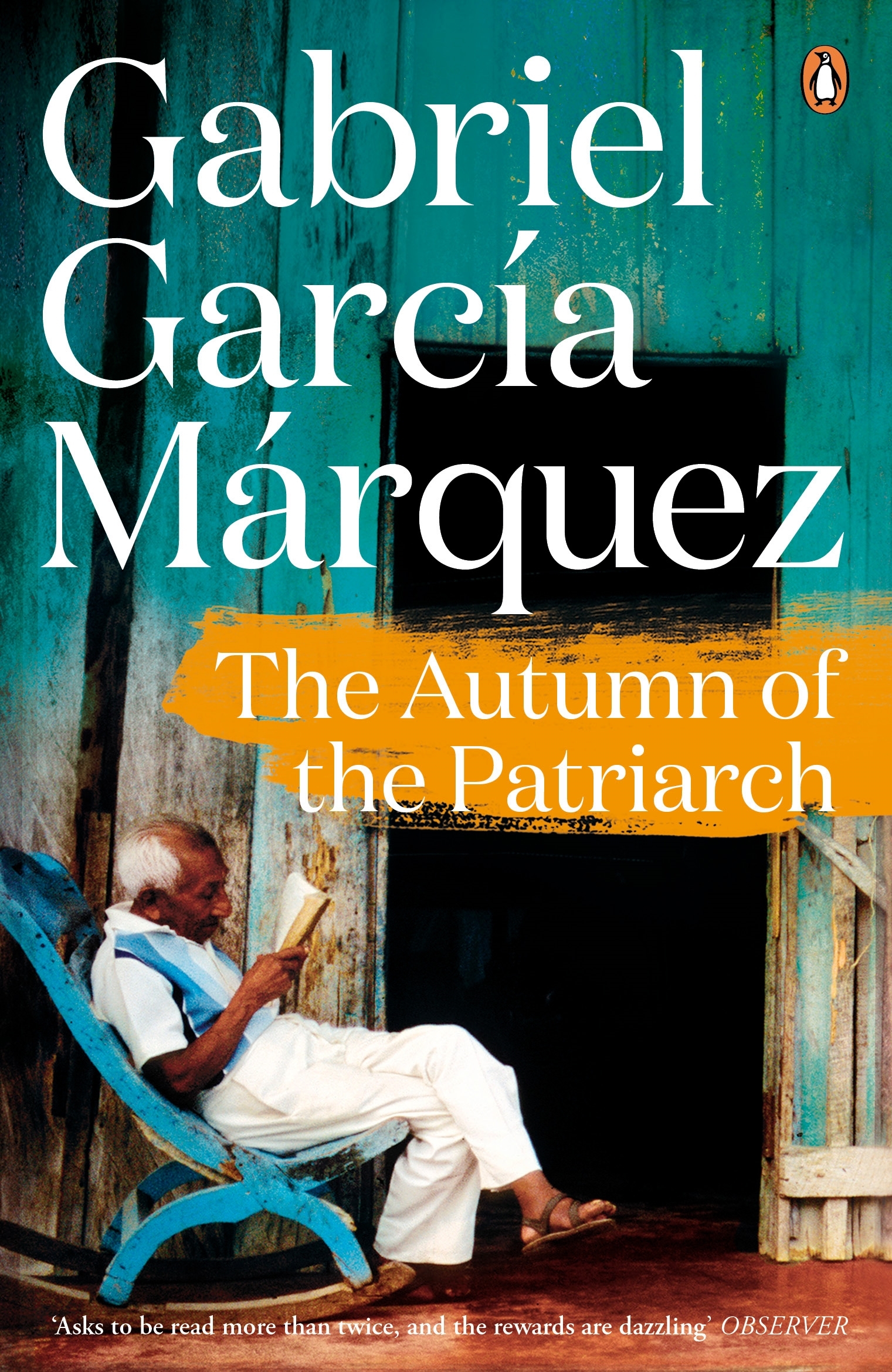
The Autumn of the Patriarch is a vintage Gabriel García Márquez masterpiece. It is a thought-provoking satire on the vile impacts of autocracy. But he did more than that. In obscuring the identity of the dictator, he is sending across the message that anyone could be an autocrat and in having an anonymous place as the setting, he is showing that autocracy is not localized, rather it is universal. These subtle messages make the novel an even more relevant read. Yes, the book was published in 1975 but its message still resonates until today.
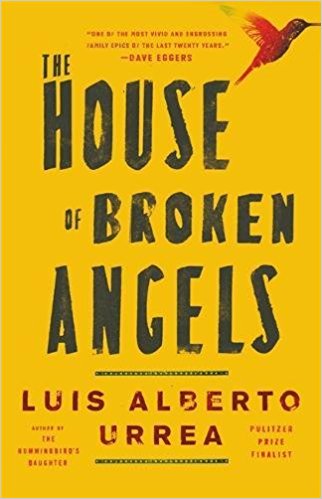
In The House of Broken Angels, Luis Alberto Urrea drew inspiration from his past to relate the story which is roughly based on the death of his eldest brother. What Urrea conjured was a bedlam of a house dipping on family values and cultural identity in the Trump era. Its take on the dynamics of Hispanic family life made the narrative shine. It is sprinkled with humor, wit, and even sadness that lingers. It is a roller-coaster ride that brings you to crests and troughs. Urrea possesses that rare and uncanny ability of drawing his readers in, of arousing their senses.



 The Pine-Scented Chronicles
🤍
LikeLike