
Woah. It is already the seventh month of the year. It also means that we are already in the midpoint of the year. The first half has squeaked past us but before us is the other half. How time flies. I guess this is an inevitable component of life. It takes its natural course sans any regards to anyone. Nevertheless, I hope that the first half of the year has been kind to everyone. I hope that the second half of the year will be brimming with blessings, good news, and positive energy.
With six months nearly done, it is also time to reflect on how the year has gone, at least in terms of reading and books. It was in 2017 when I first encountered the Mid-Year Freak Out Tag. Over the years, it has become a barometer that gauges how my reading year is progressing. “Freak out,” however, sounds a little excessive for it is too early to push the panic button. Panic unusually set in around October or November, when I slowly realize that I am lagging behind in my reading challenges. Recently, however, things have changed as I started on my reading challenges earlier than usual with the ultimate goal of completing them earlier than usual
You can check my previous editions below:
- Mid-Year Freak Out Tag
- Mid-Year Freak Out Tag (2019 Edition)
- Mid-Year Freak Out Tag (2020 Edition)
- Mid-Year Freak Out Tag (2021 Edition)
- Mid-Year Freak Out Tag (2022 Edition)
- Mid-Year Freak Out Tag (2023 Edition)
- Mid-Year Freak Out Tag (2024 Edition)
- Mid-Year Freak Out Tag (2025 Edition)
Without further ado, here goes my own version of Mid-Year Freak Out Tag.
1. Best book(s) you’ve read so far this year.

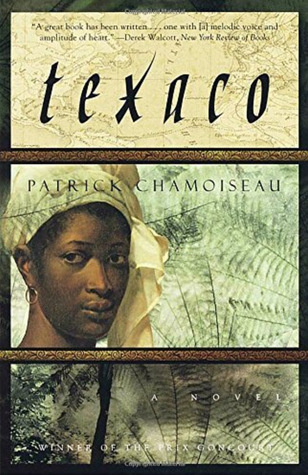
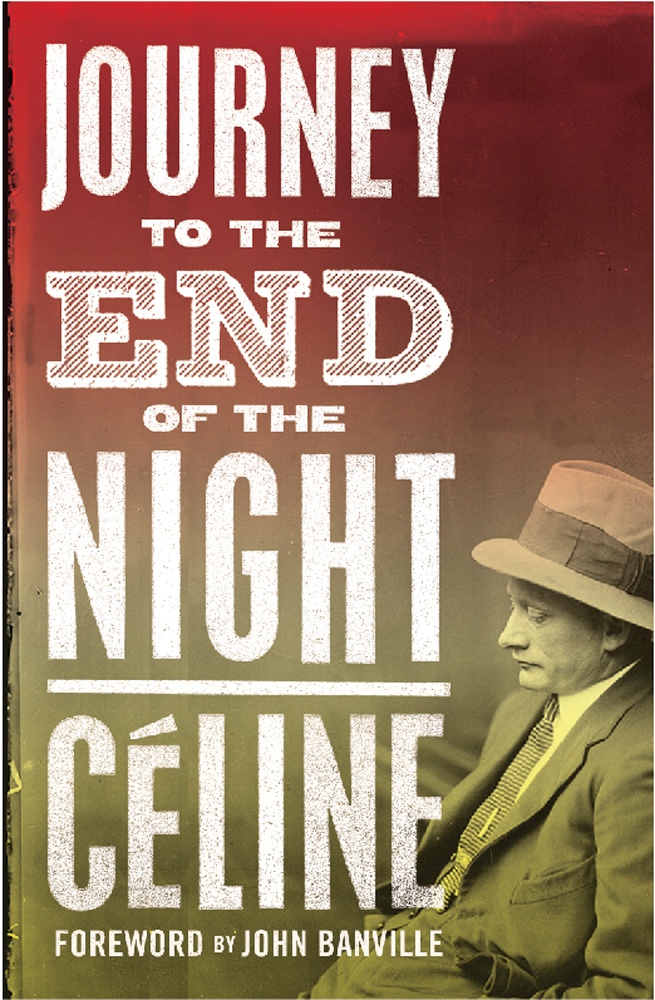
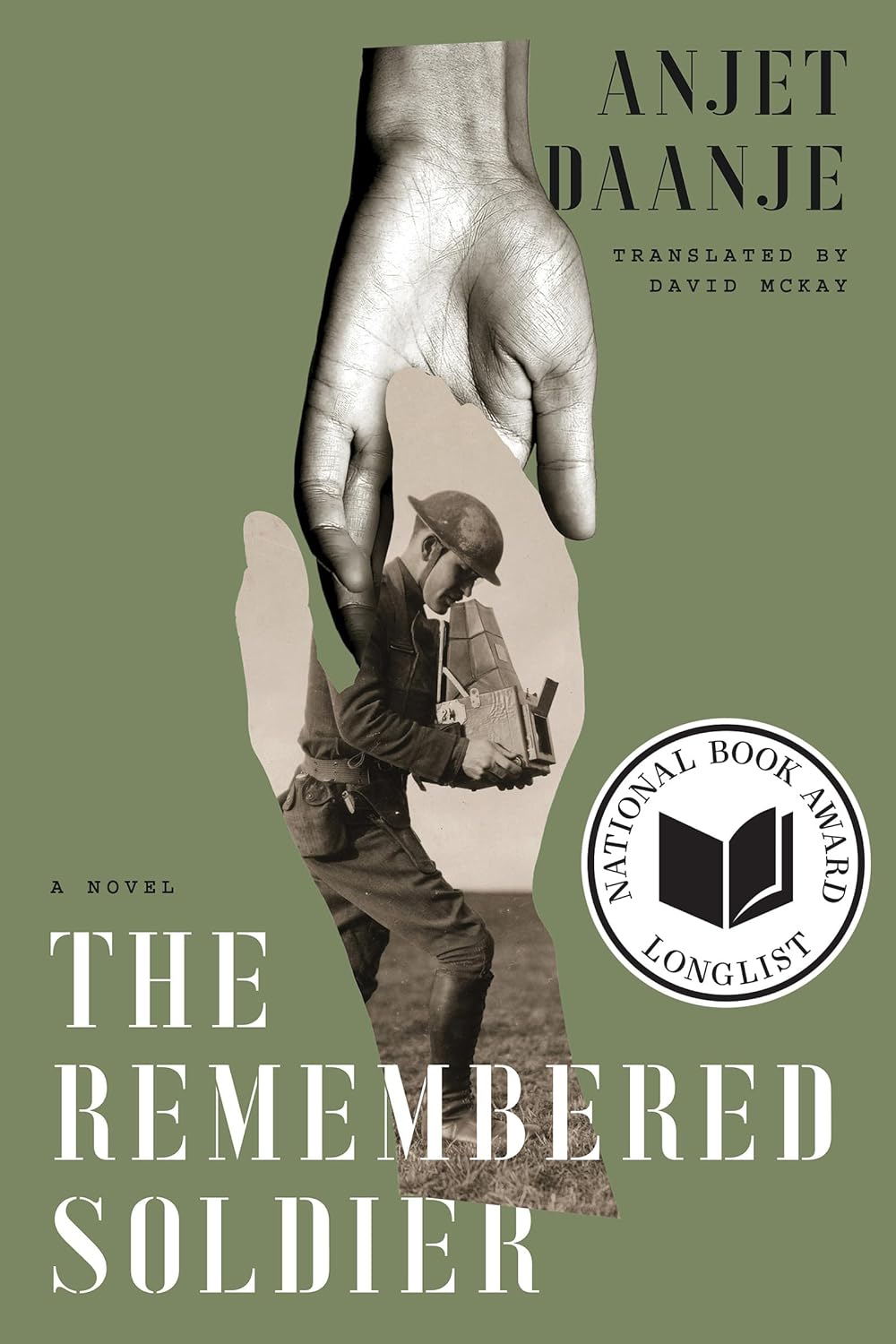
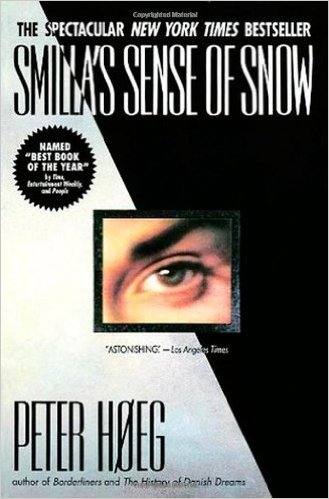
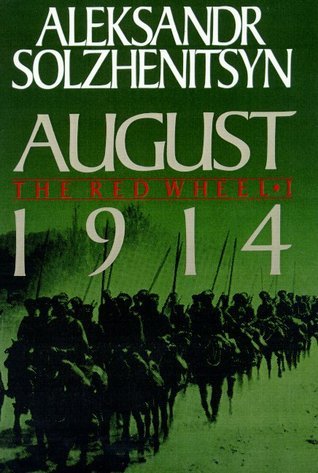
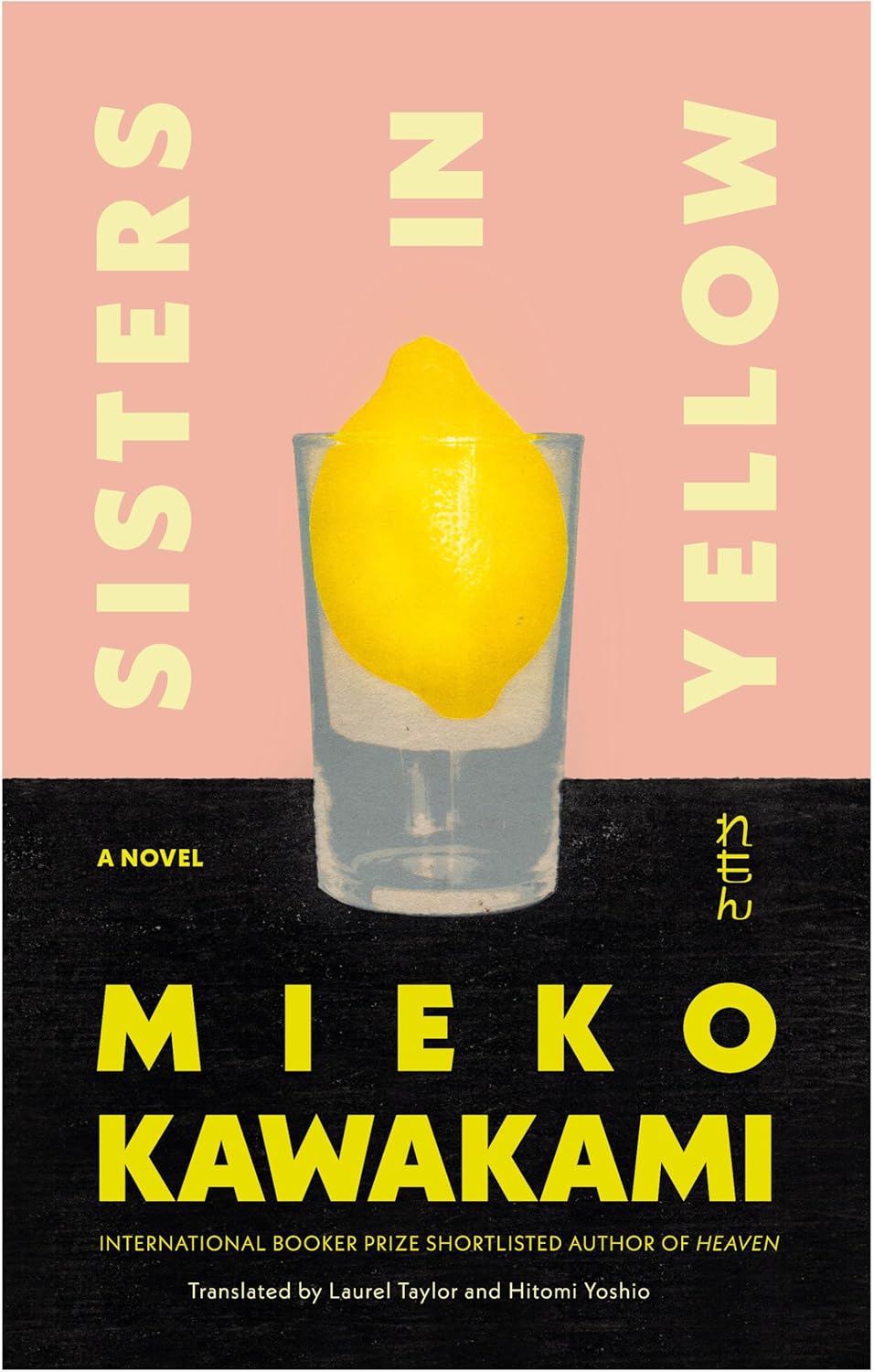

So far, I have read fifty-five books this year. I am still not used to reading this many books in such a short time. But I can’t complain can I because I used to dream of days like this. This also underlines how I was able to sustain the reading momentum I have built during the pandemic period. But this also poses a challenge. It is difficult singling out one book to call my favorite this year; I had the same quandary last year and the year before. Several books left a deep impression on me. I spent the first half of the year reading primarily the works of Latin American writers – from January to February – and European writers – from March to June. In July, I have commenced a venture to a literary territory closer to home and to the heart.
My 2026 reading journey actually commenced with the work of a European writer. Highly heralded Hungarian writer László Krasznahorkai finally earned the greatly deserved Nobel Prize in Literature award in 2025. As such, it was only natural for me to read more of his works. It was in this spirit that I opened 2026 with The Melancholy of Resistance. It was, to say the least, the perfect way to star my reading journey. It is an evocative political allegory, a scathing social commentary, n immersive historical meditation, and a propulsive satire. The novel ultimately serves as a testament to Krasznahorkai’s mastery of apocalyptic imagination. There were several standouts from my long-awaited return to Latin American literature. However, Martinican writer Patrick Chamoiseau’s Texaco easily stands out. Chamoiseau paints a vivid portrait of his homeland, its people, and its vibrant culture. Texaco serves as a microcosm of the diversity that has long defined Martinique.
A string of works of European writers also stood out. Among them are Anjet Daanje’s The Remembered Soldier, Louis-Ferdinand Céline’s Journey to the End of the Night, Peter Høeg’s Smilla’s Sense of Snow, and Aleksandr Solzhenitsyn’s August 1914. Three of these four novels also deal with wars, particularly the First World War. Journey to the End of the Night is even autobiographical. Meanwhile, August 1914 is just the second novel by the Russian Nobel Laureate in Literature I read, although the first since One Day in the Life of Ivan Denisovich, which I read over a decade ago. Smilla’s Sense of Snow is the odd one, which, at the onset, masqueraded as a murder mystery. Beyond the layers of suspense and mystery, the novel is a nuanced exploration of identity, oppression, and resilience, juxtaposed with societal neglect. As is common in war-related literature, The Remembered Soldier captures the cost of war and the trauma it leaves behind. Memory and the psychological toll of war are the novel’s primary themes, with romantic overtones enriching the story.
My pivot toward Asian literature commenced with a familiar name in Japanese writer Mieko Kawakami and her latest translated novel, Sisters in Yellow. In fact, I had been looking forward to the book ever since I first learned of its Japanese release back in 2023. It was only this year that it was translated into English. An engrossing coming-of-age tale about a young woman living in the shadows of Japan’s criminal underworld, Sisters in Yellow is a welcome addition to Kawakami’s growing oeuvre. Lastly, I have listed the book I just recently completed. I was not expecting to be blown out by Elaine Castillo’s America is Not the Heart, which is a play on the renowned Filipino novel America Is in the Heart by Carlos Bulosan. The novel vividly explores identity, gender, and the rampant corruption and abuses that have undermined the Philippines.
2. Best sequel you’ve read so far this year

I rarely read book series, hence, I have very little to choose from. So far this year, the only sequel I have read is Hilary Mantel’s Bring Up the Bodies. It is the second book in Mantel’s highly renowned Thomas Cromwell Trilogy. Although I initially dismissed the trilogy because of some misconceived notions, I have since tried to make up for lost time. Reading Bring Up the Bodies is a continuation of my resolve to read the late British writer’s trilogy. Interestingly, I like Bring Up the Bodies better than the first book in the trilogy, Wolf Hall.
3. New release you haven’t read yet, but want to

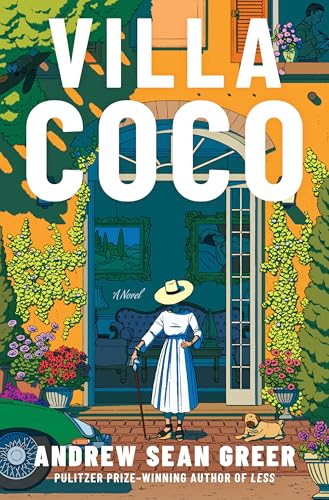
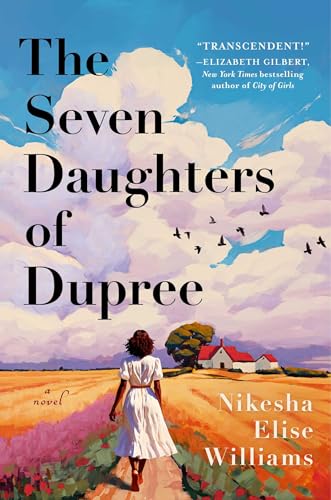
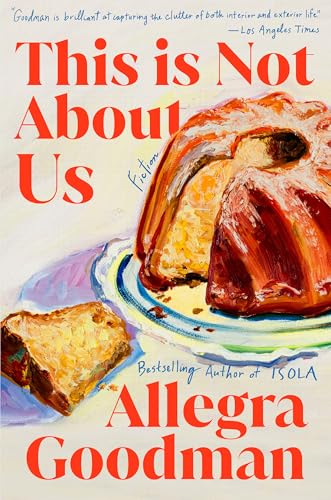
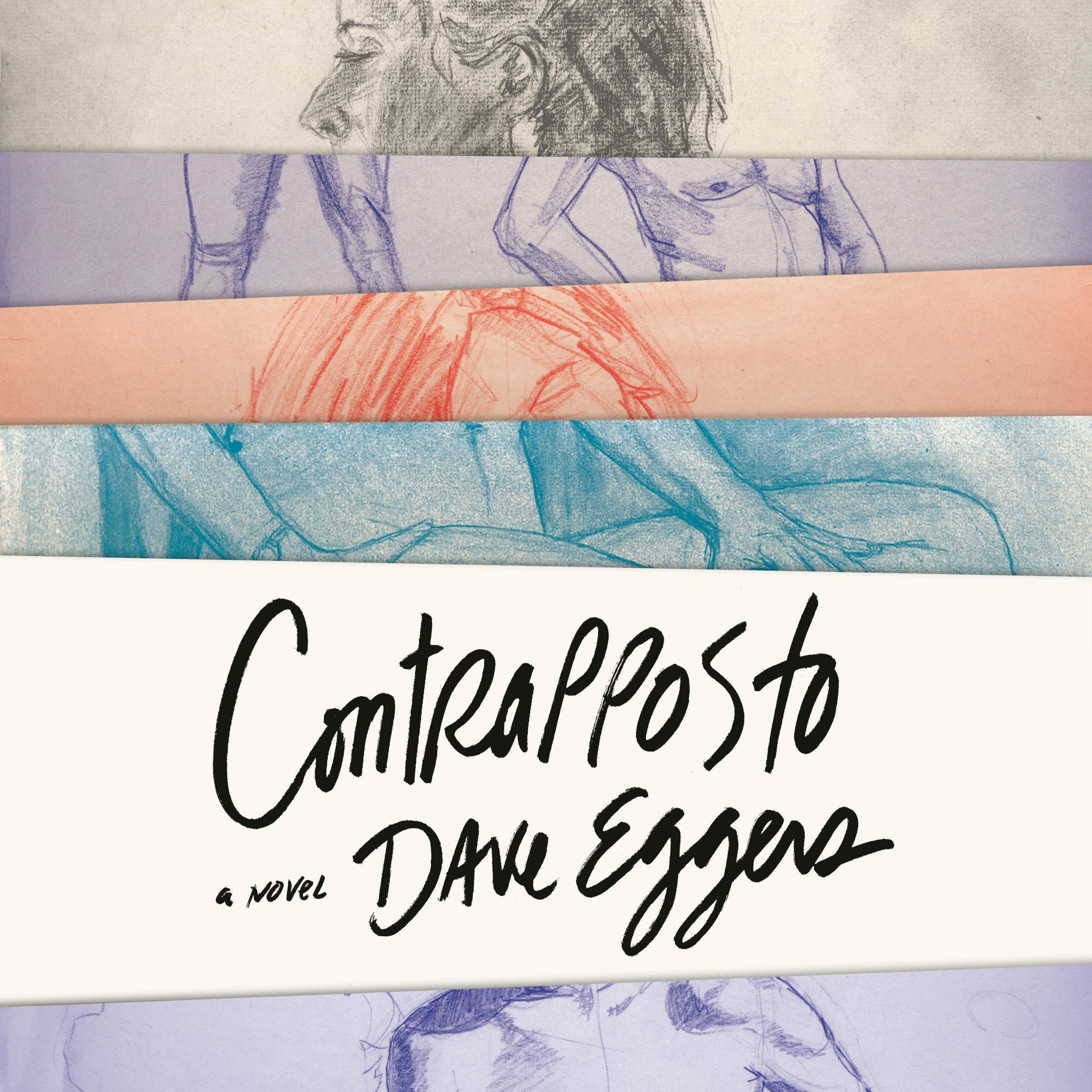
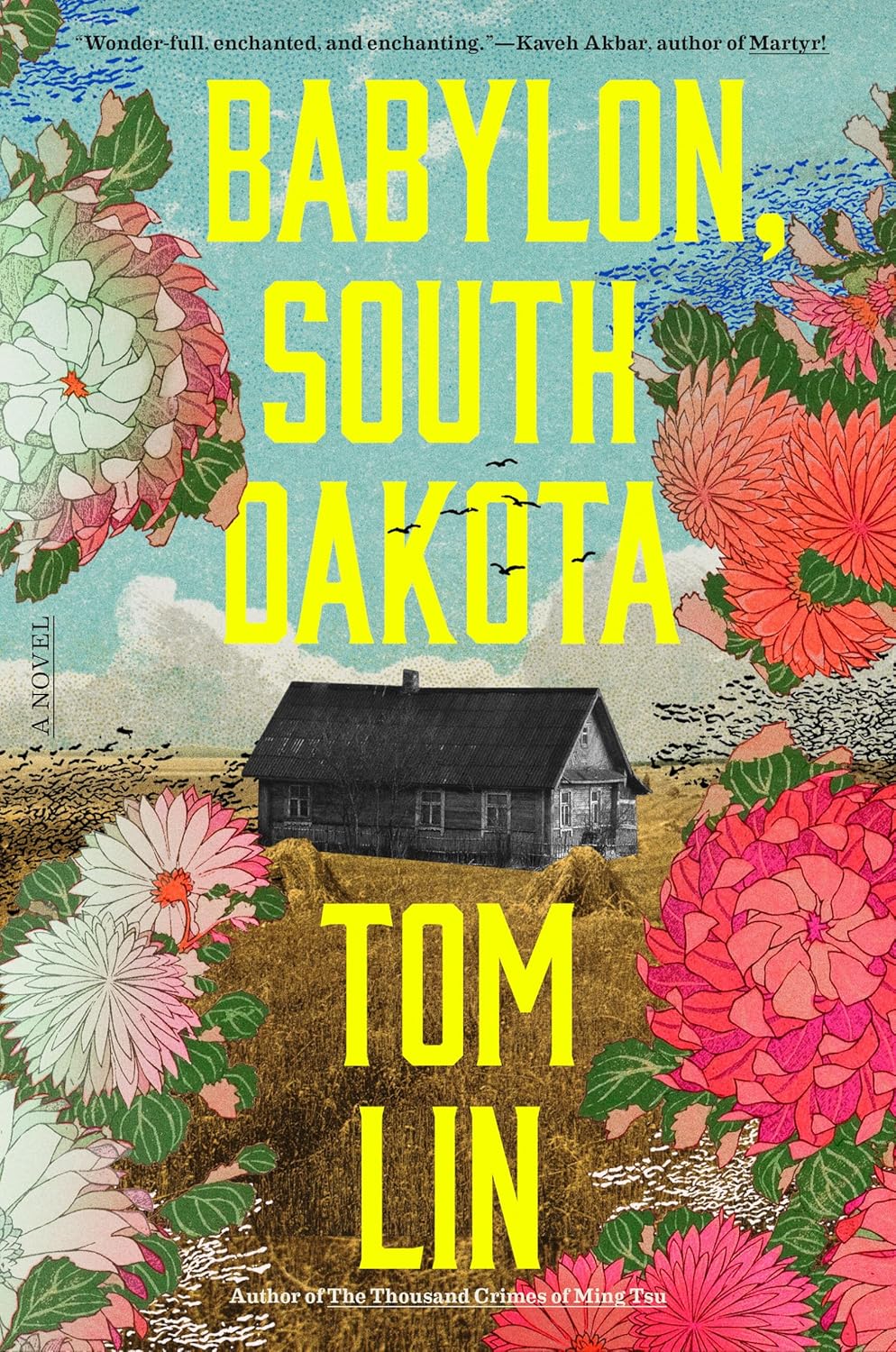
As part of my annual reading tradition, I churn out a list of books to be released during the year that I am looking forward to. Unfortunately, I have yet to acquire a copy of any of the books on my 2026 Books I Look Forward To List. This is way below my target. I hope I get to obtain copies of these books. Ever since I started creating Books I Look Forward To lists, I have never completed all ten books, although I did come close in 2020 and last year, when I fell short of one book.
4. Most anticipated release for the second half of the year
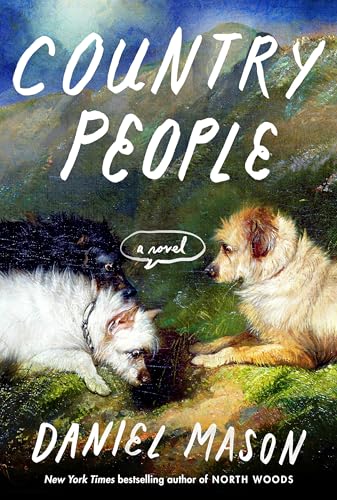
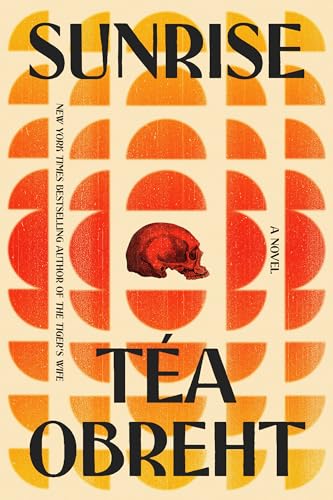
Among the books I am looking forward to in the second half of the year are Daniel Mason’s Country People, which I randomly encountered through online articles, and Téa Obreht’s latest novel, Sunrise. The former was released on July 7, while Obreht’s novel is scheduled to be released on August 22.
5. Biggest disappointment

I wouldn’t say biggest disappointment, but I was just a little underwhelmed by Roberto Bolaño’s The Skating Rink. I guess I was expecting so much from the Chilean writer. After all, he has produced literary classics such as The Savage Detectives and 2666. Maybe it was just a case of the book not meeting my lofty expectations. Nevertheless, the novel provided me with a different dimension of Bolaño’s oeuvre.
6. Biggest surprise

I was actually astounded by Jorge Barón Biza’s The Desert and Its Seed. It is a rather dark read as it involved murder and betrayal. The novel even has autobiographical proximity, making personal history a material for examining memory, inheritance, and the long shadow of violence. The Desert and Its Seed, however, is less about the incident itself but more about its reverberations: how individuals narrate catastrophe, and how storytelling becomes a means of containment, interpretation, and, perhaps, survival. Meanwhile, I have already mentioned how Elaine Castillo’s America is Not the Heart surprised me. I guess I have to read more works of Filipino writers this year.
7. Favorite new author (debut or new to you)
I have already named some of the new-to-me writers who have gained a fan in me. Apart from Patrick Chamoiseau and Elaine Castillo, Manuel Puig also stood out for me. He has an interesting prose, as can be noted in Pubis Angelical. I am looking forward to his magnum opus, The Kiss of the Spider Woman.
8. Newest fictional crush
For as long as I can remember doing this book tag, I haven’t named a fictional crush. This year is not going to be different. I guess it is not my thing.
9. Newest favorite character
No particular fictional character stood out for me, so far.
10. Book that made you cry
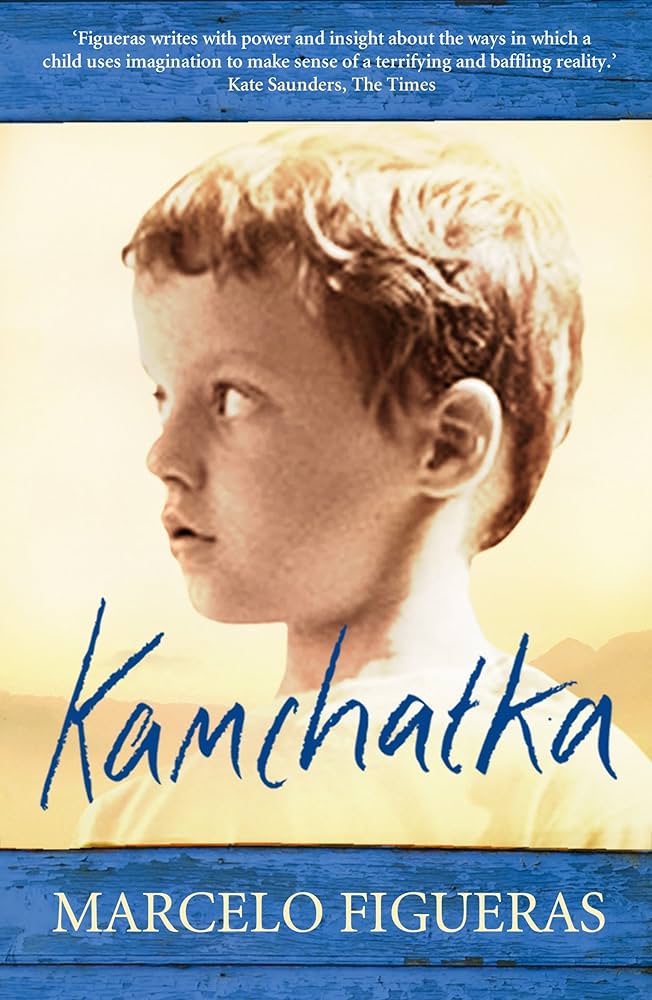

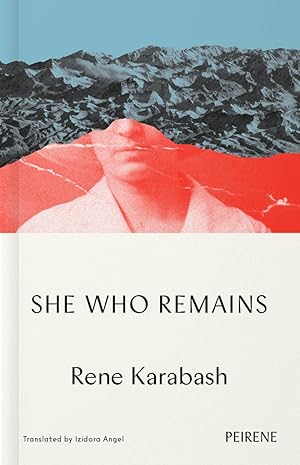
It is rare for me to cry over a book. However, some books elicited strong emotions from me. Still, there were some that appealed to me on an emotional level. Marcelo Figueras’s Kamchatka poignantly captured the intricacies of family dynamics, particularly during a period of crisis. Memory emerges as an important theme in the novel, with Figueras illustrating how memory shapes our understanding of history and personal experience. Kamchatka is a compelling and thought-provoking coming-of-age novel set against a backdrop of terror and fear. Meanwhile, Inès Bayard’s This Little Family captured how a violent act has altered the life of a career-driven woman. As the suspense builds, the novel confronts the intricacies of motherhood, marriage, and even societal norms. This Little Family tackles the pressures placed on women while grappling with trauma and the abuses they often face. Rene Karabash’s She Who Remains also addresses the harsh realities faced by women in deeply patriarchal societies. Karabah employs a poetic and hypnotic stream-of-consciousness style that draws readers in.
11. Book that made you happy

I guess I can say that reading M.M Kayes The Far Pavilions made me happy. This is for different reasons. The book has been sitting on my bookshelf for over a decade already. As such, I consider it as an accomplishment to finally be able to read it. It was actually a good book despite its hef.t
12. Most beautiful book you’ve bought so far this year (or received)
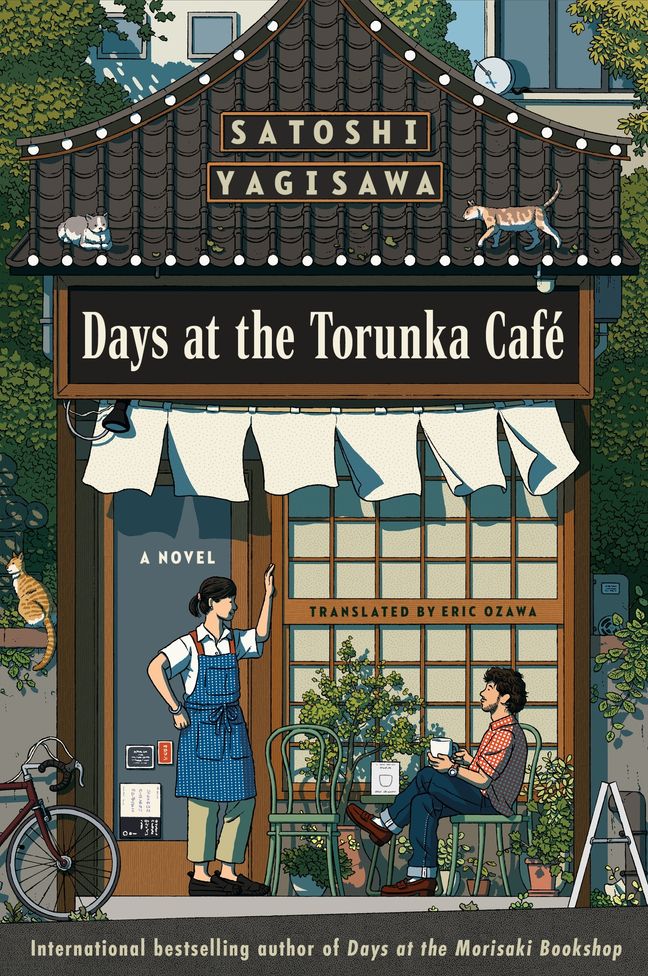
I guess I will go with Satoshi Yagisawa’s Days at the Torunka Cafe. I haven’t acquired that many books this year, actually. Still, I like the quirkiness of this book cover. The image immediately brings to mind Japan.
13. What books do you need to read by the end of the year?
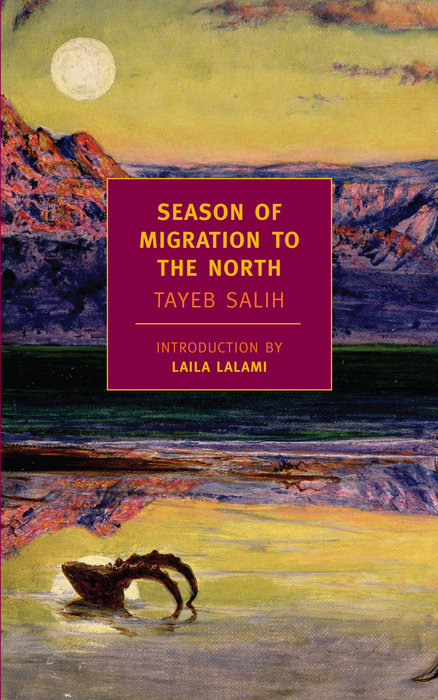
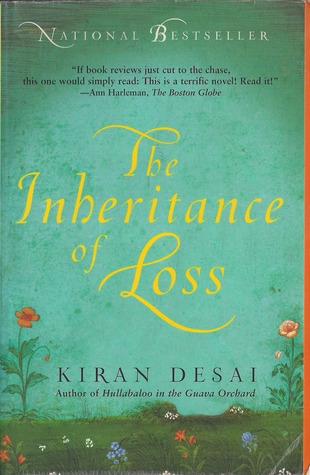
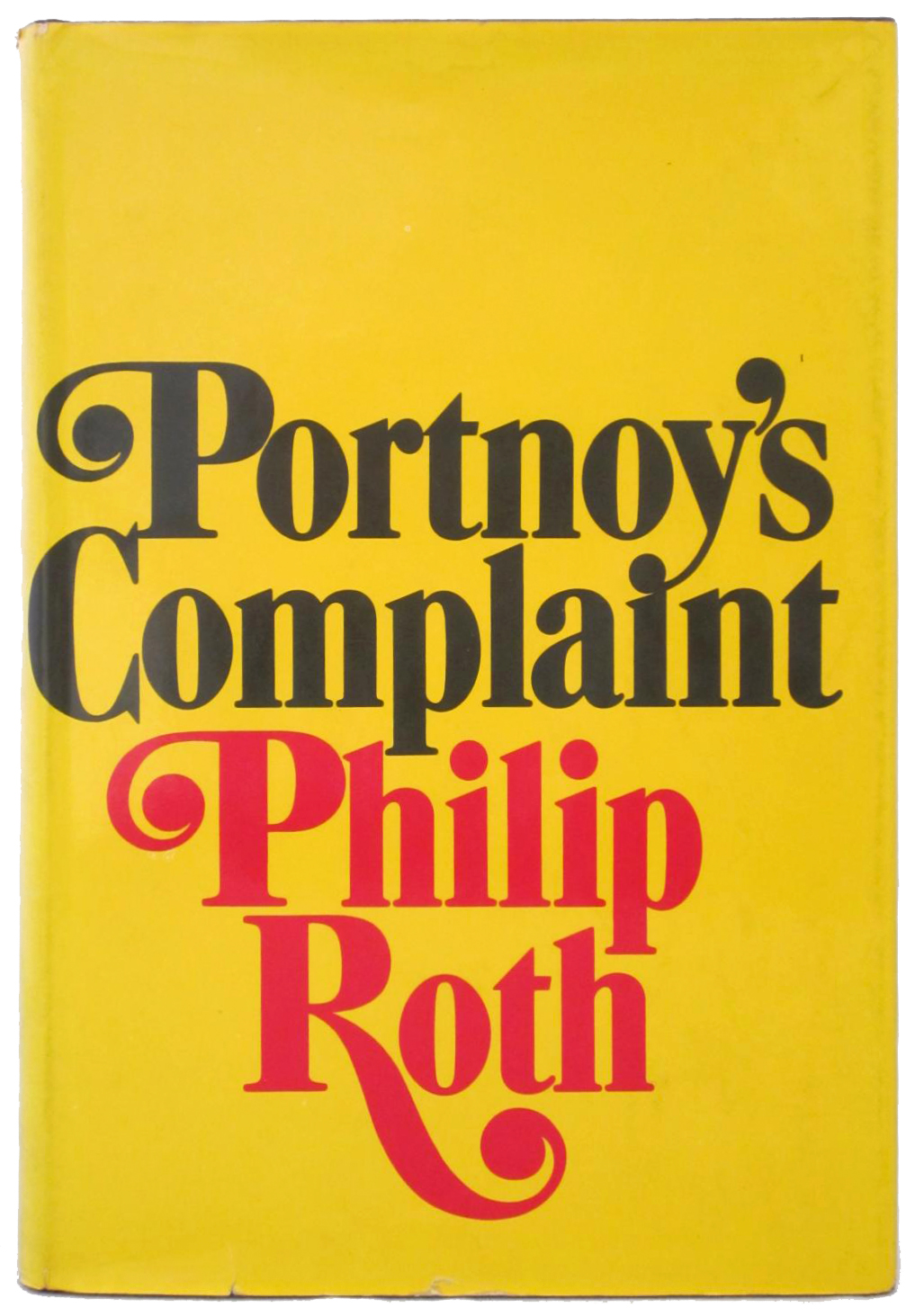

I have many books I want and need to read this year. As always, my focus are books I listed on my reading challenges. I have included in my 2026 Top 26 Reading List Tayeb Salih’s Season of Migration to the North, Kiran Desai’s The Inheritance of Loss, Philip Roth’s Portnoy’s Complaint, and Marion Zimmer Bradley’s The Mists of Avalon. These are also books I have been looking forward to for the longest time, especially The Mists of Avalon and Portnoy’s Complaint, which have both been sitting on my bookshelf for quite some time now.
14. Favorite book community member
Apart from WordPress, Goodreads is the only book community that I am part of. Well, WordPress is not even a book community, but through it, I have encountered several bookworms who share the same passion I have. I appreciate your blogs, and I am grateful that you try to engage in my own blog. Your inputs are all appreciated.
So there goes my version of the Mid-Year Freak Out Tag. Interested in doing it? Go ahead. Just don’t forget to tag me.
Happy reading!
 The Pine-Scented Chronicles